


Gold Gilded Porcelain Plate
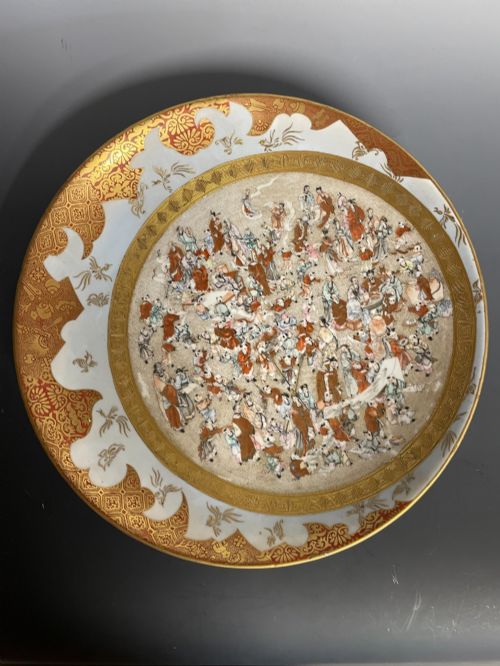
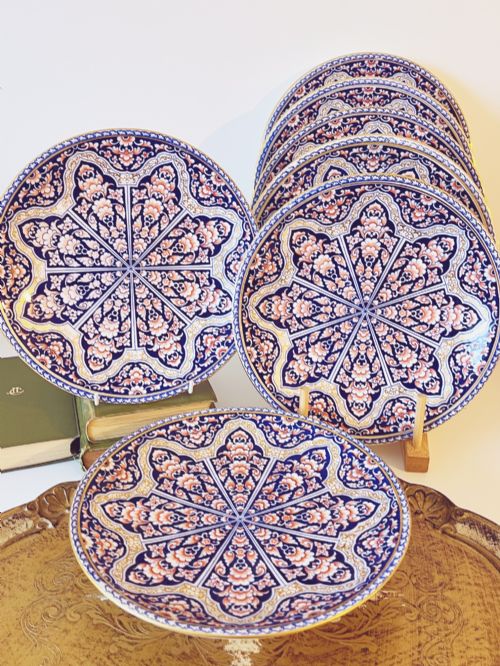
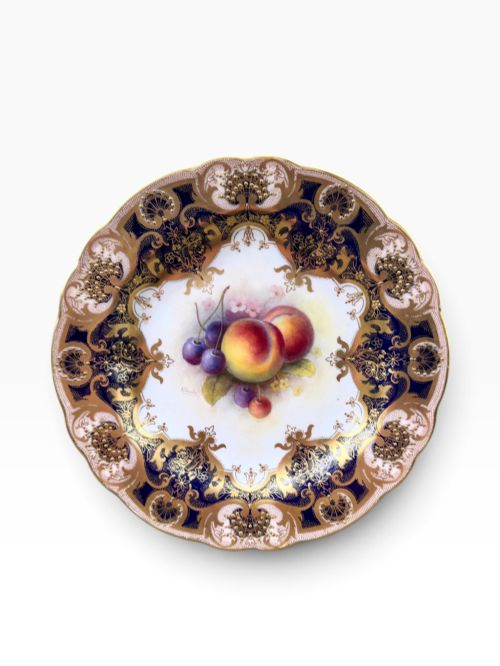
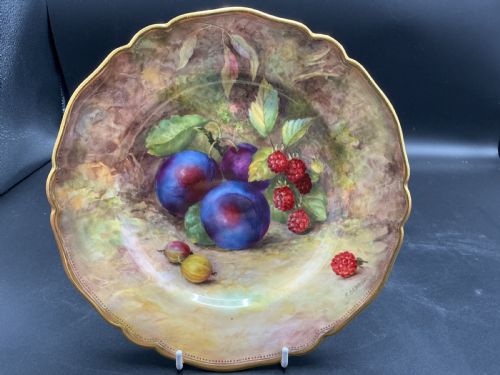
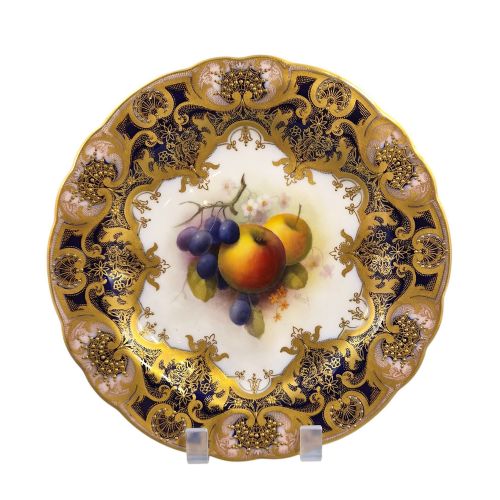
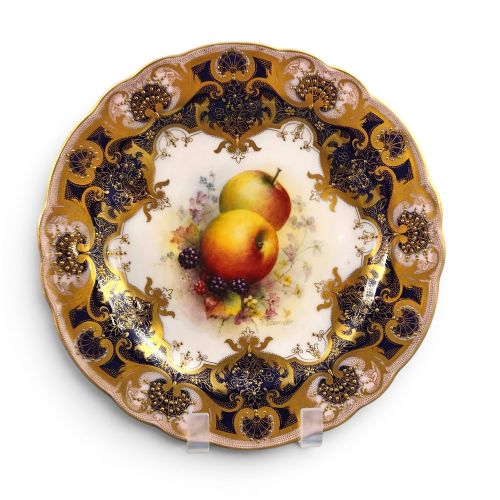
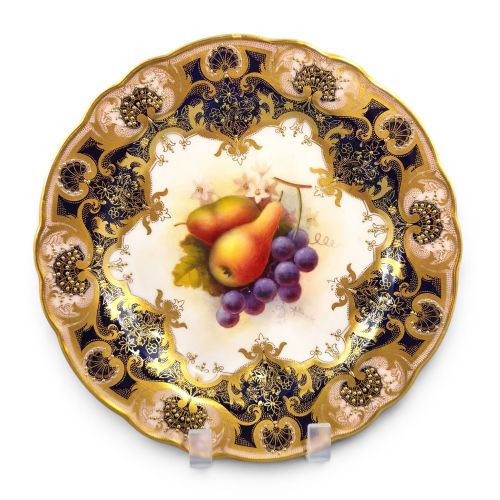
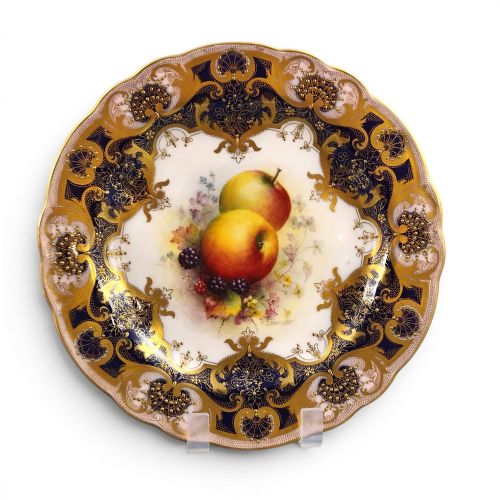
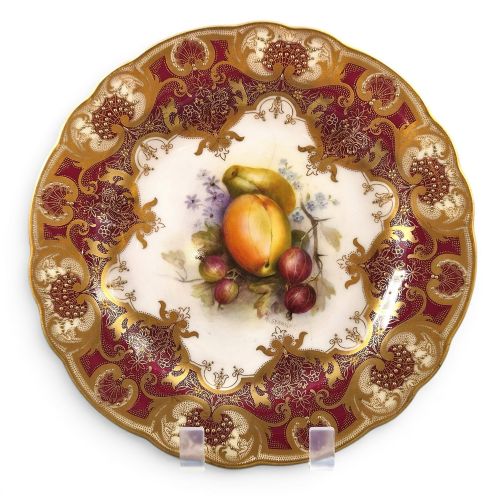
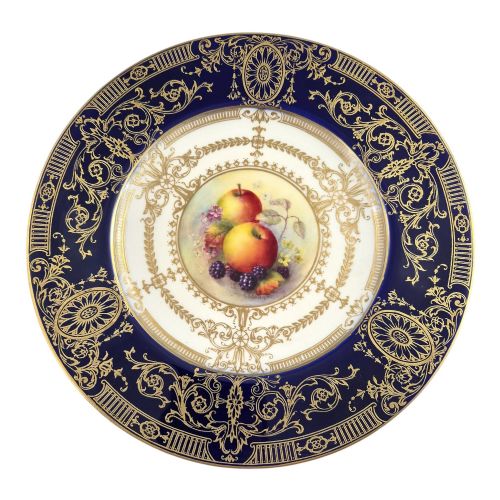
A gold gilded porcelain plate brings hand-painted fruit, floral studies and classical scenes into a room through rich ceramic artistry.
Gold Gilded Porcelain Plate
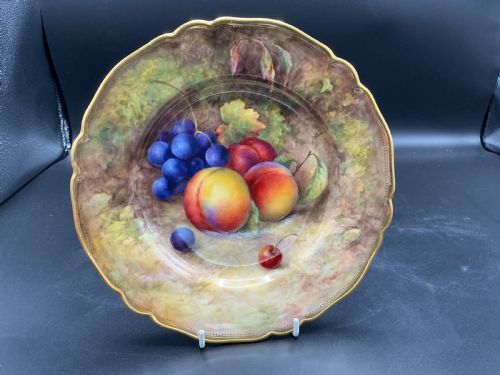
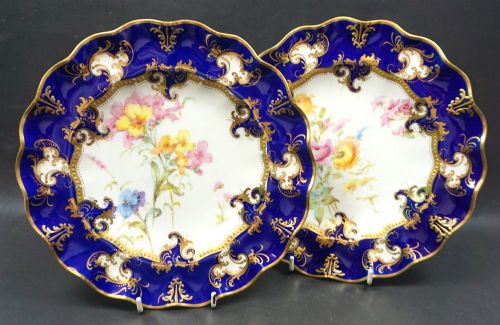
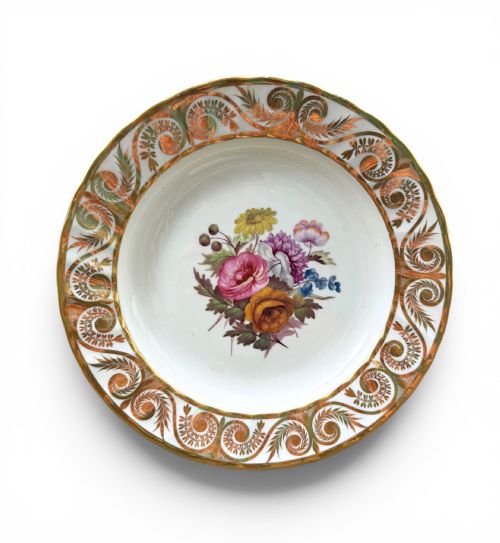
A gold gilded porcelain plate represents the pinnacle of nineteenth- and twentieth-century ceramic production, designed primarily for display as a cabinet piece or for formal dessert service. These items take the form of richly decorated dishes, comports, and soup plates originating from prominent English and continental factories.
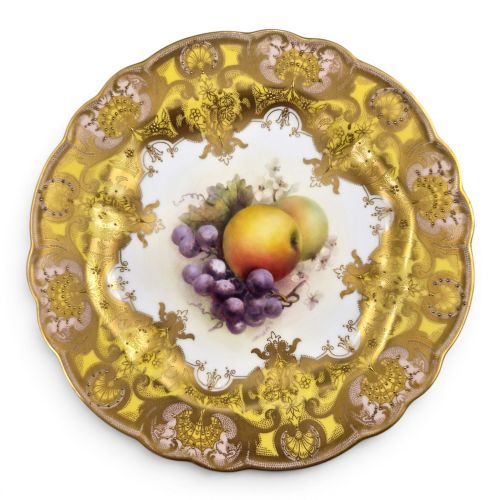
The selections encountered here span Georgian, Victorian, Edwardian, and later twentieth-century eras, reflecting shifts in taste from botanical studies and topographical views to lavish painted fruit and Rococo revival scrolls. Most examples function as decorative plates intended for visual impact rather than daily dining use.
Materials and Technique
The foundation relies on hard-paste porcelain, bone china, or earthenware shaped into plates, dishes, and baskets before receiving initial kiln firings. Artisans then applied delicate enamel pigments by hand to render botanical specimens, birds, fruit clusters, and figurative scenes.
Gilding was applied using gold leaf, gold plate, or liquid gilt mixtures, which underwent subsequent firings to bond the metallic lustre securely to the ceramic body. Raised gold work and burnished borders often frame the central painted reserves to create high-contrast decorative effects.
Listings feature porcelain forms spanning the Georgian, Victorian, and Edwardian periods, utilising gold leaf, enamel, and bone china.
Assessing Quality
Quality rests upon the skill of the brushwork within the painted centre and the precision of the surrounding gilding. Pieces featuring named artists and documented factory marks demonstrate superior workshop standards.
Heavily detailed hand-painted fruit or intricate topographical scenes indicate higher artistic ambition than standard transfer-printed or simply banded wares. The crispness of moulded edges, such as basketweave textures or pierced borders, further separates standard production from exhibition-grade specimens.
Royal Worcester·Royal Crown Derby·Royal Doulton·Coalport·Meissen·Minton·Derby·Sevres·Royal Vienna
The Gold Gilded Porcelain Plate Glossary
- Cabinet Plate
- A decorative plate intended for display in a glass-fronted cabinet rather than use at the dining table. These pieces usually feature elaborate hand-painted scenes and heavy gilding.
- Gilt
- A thin layer of gold applied to the surface of porcelain as a decorative finish. It catches the light and frames the central painted motifs.
- Comport
- A raised dish or bowl used traditionally for serving fruit as part of a dessert service. They often match the accompanying plates in pattern and palette.
- Reserve
- A distinct panel or compartment within the plate design set aside for pictorial painting, typically surrounded by gilded borders.
Gold Gilded Porcelain Plate: Frequently Asked Questions
How were these plates used historically?
These pieces served dual purposes in grand households, functioning either as part of a dessert service for formal dining or as decorative cabinet plates displayed on walls and in vitrines.
Plates commissioned from major factories often matched large dining and dessert sets, while individual cabinet plates highlighted the specific talents of factory-employed artists.
How do I care for antique porcelain?
Display these items away from direct sunlight to preserve the stability of hand-painted enamel colours and the brightness of the gold gilding.
Dust gently with a dry, soft cloth and avoid washing them in automated dishwashers or using abrasive cleaning agents on the metallic surfaces.
Are painted fruit plates signed?
Many fine pieces from factories like Royal Worcester feature the signature of the studio artist on the front or factory marks on the reverse.
Artists such as Richard Sebright and Albert Shuck signed their intricate painted fruit studies, adding significant documentary interest to the individual dish.
What is a dessert service?
A dessert service comprises a matching set of plates and serving dishes, such as comports, designed specifically for the final course of a formal meal.
Surviving sets often feature botanical studies, topographical views, or unified floral motifs tied together by consistent gilding patterns.