
English Porcelain Display Plate
An English porcelain display plate brings vibrant hand-painted birds, fruit, and botanical scenes straight from the cabinet into your home.
English Porcelain Display Plate
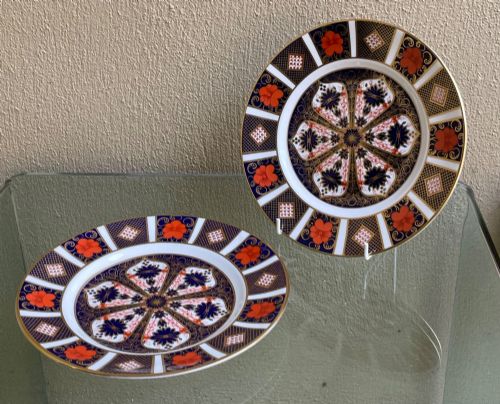
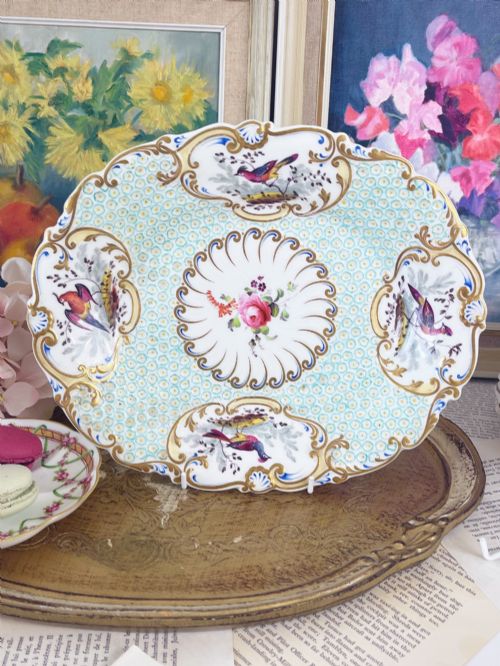
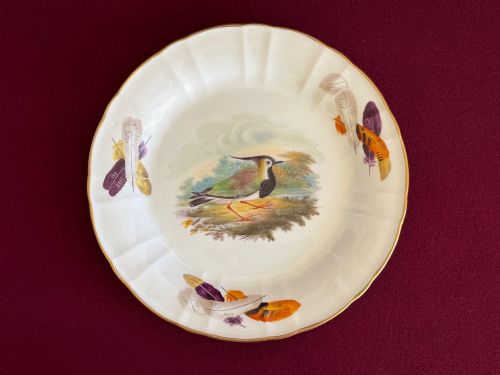
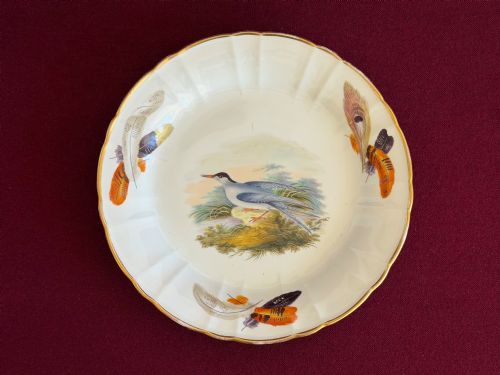
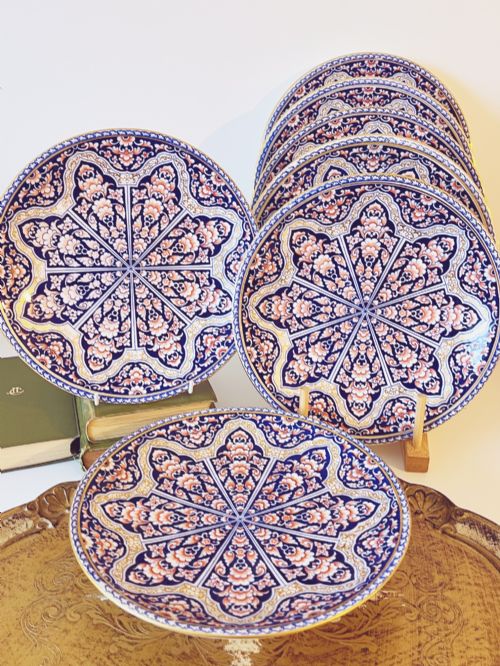
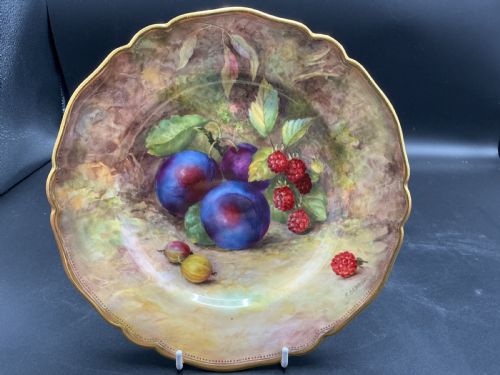
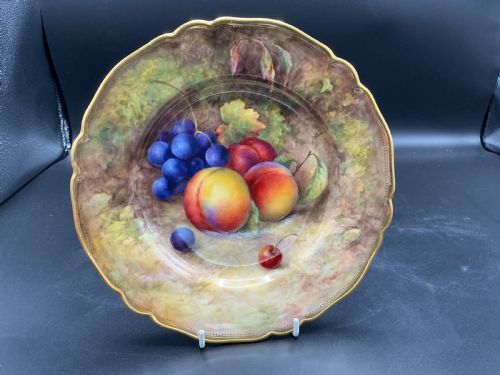
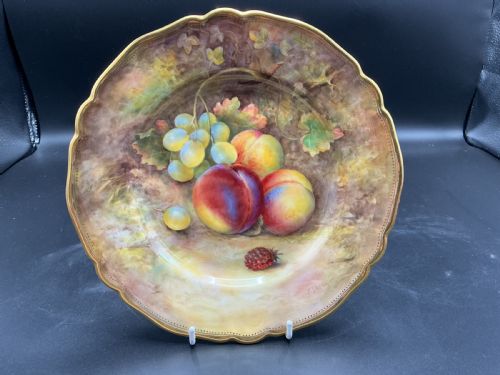
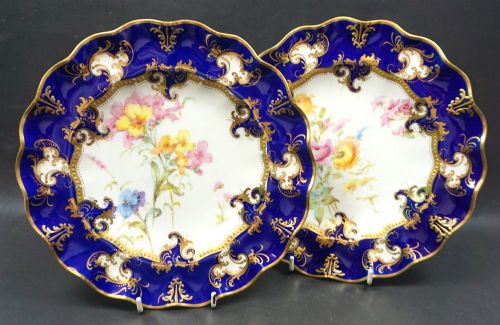
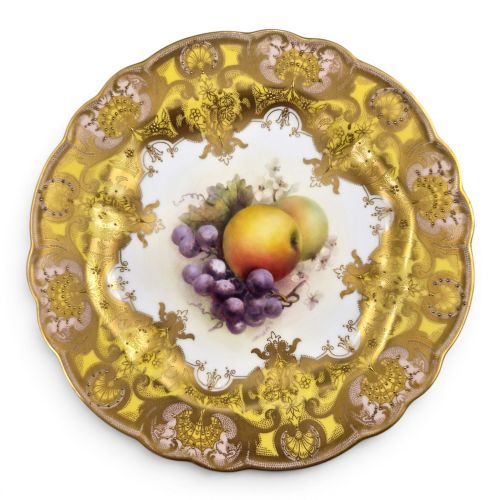
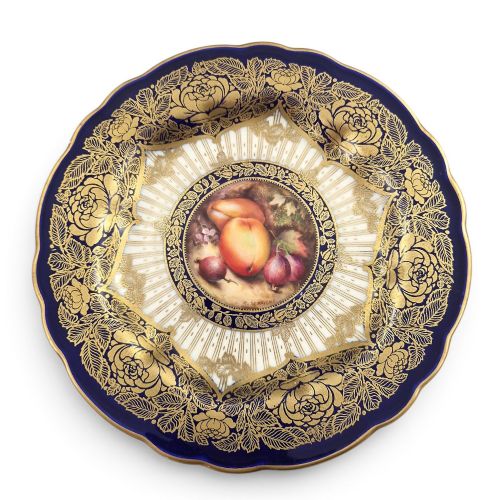
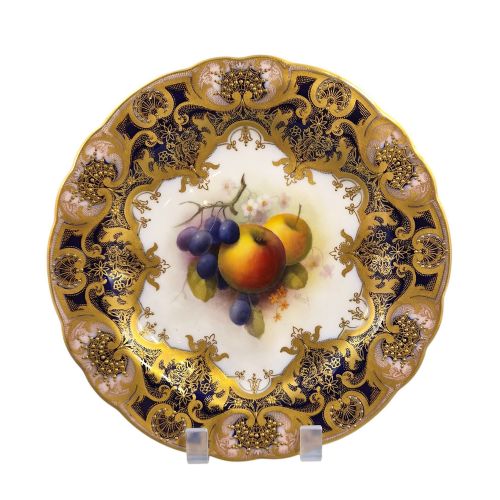
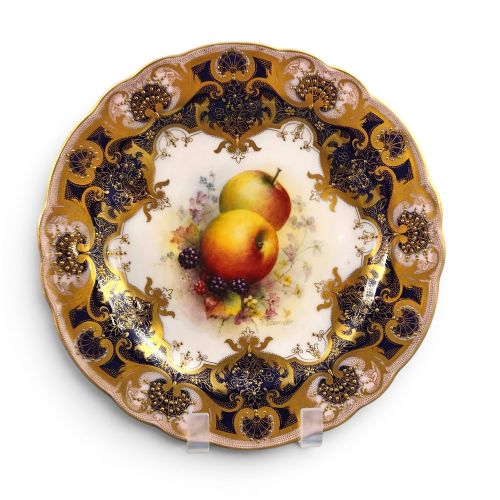
An English porcelain display plate serves as a decorative focal point rather than standard tableware, often referred to as a cabinet plate or dessert plate. These items span periods from the Georgian and Regency eras through the Victorian age and into the mid-twentieth century.
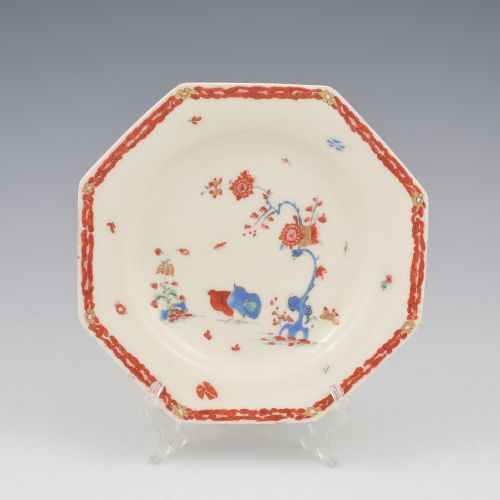
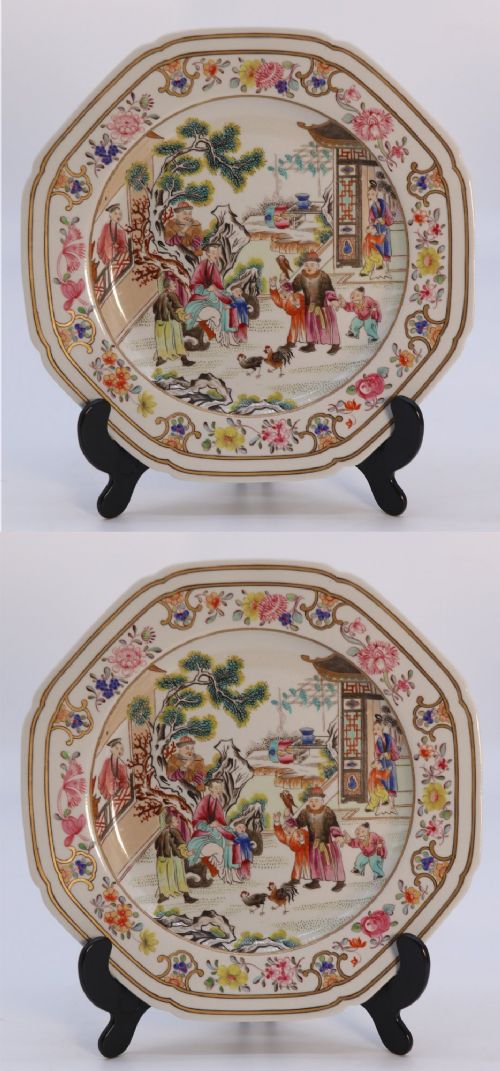
The selections on this page feature specialised forms such as octagonal plates, serving dishes, and dessert services created by notable English potteries. Collectors encounter hand-painted scenes ranging from ornithological studies to rich armorial crests.
Makers utilised fine ceramic bodies, including bone china and soft-paste porcelain, to provide a smooth white canvas for intricate artwork. Display plates often survive as pairs or larger matching sets intended for visual appreciation.
How they were made
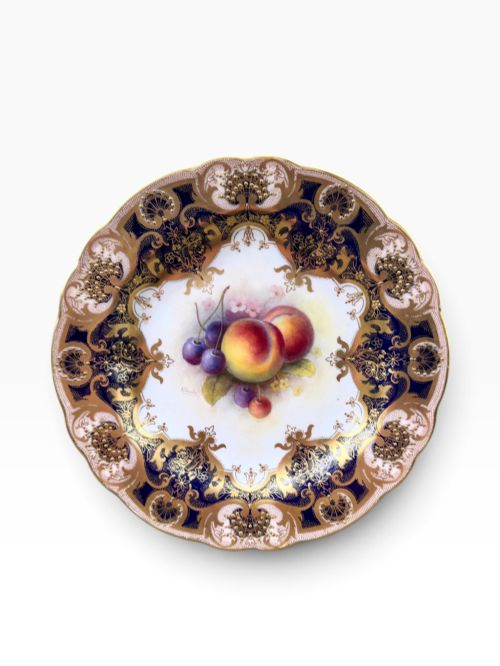
Potters shaped porcelain, bone china, ironstone, and soft-paste ceramic bodies before applying detailed hand-painted enamels. Artisans frequently integrated rich gilding and gold leaf accents to frame central motifs.
Factories employed specialised painters to render botanical specimens, fancy birds, and landscapes directly onto the glazed surface before a final kiln firing. Transfer printing also emerged as a primary technique for blue and white patterns during the nineteenth century.
Listings feature English porcelain display plates across nineteenth-century, Regency, and Victorian periods, alongside early twentieth-century examples.
What varies in quality
Quality rests upon the skill of the hand-painted artistry, with signed pieces by recognised painters commanding greater attention. The precision of the gilding and the complexity of the subject matter distinguish standard production from exceptional works.
The refinement of the porcelain body and the crispness of the enamel colours demonstrate the technical capability of the factory at the time of manufacture. Early soft-paste pieces present different handling characteristics compared to later bone china or stone china.
Royal Crown Derby·H and R Daniel·Wedgwood·Bow Porcelain·Royal Worcester·Spode·John Ford·Minton·Royal Doulton·Stubbs·Aynsley·Copeland·John Ridgway·Barr Flight and Barr·James Rouse Jnr·Coalport·Derby Porcelain·Flight Barr and Barr
The English Porcelain Display Plate Glossary
- Cabinet plate
- A decorative ceramic plate intended for display in a cabinet rather than everyday dining use. These pieces often feature elaborate painted scenes and gilded borders.
- Bone china
- A type of soft-paste porcelain containing bone ash, developed in England to create a durable and highly translucent white ceramic body.
- Enamel
- Opaque vitreous glass fused to the ceramic surface during firing to provide vibrant polychrome decoration. Artisans apply these colours over the initial glaze.
- Gilding
- The application of gold leaf or powdered gold to ceramic surfaces, utilised to highlight rims, handles, and decorative borders.
- Armorial
- A design featuring a family crest, coat of arms, or heraldic symbols painted onto porcelain for specific aristocratic patrons.
English Porcelain Display Plate: Frequently Asked Questions
How do I hang a display plate?
Display plates require specialised wire or spring hangers that grip the rim securely without causing damage to the ceramic body. Many collectors prefer utilising plate rails or dedicated wall brackets designed for safe mounting.
Ensure that any hanging hardware distributes the weight evenly across the base and rim. Professional framing offers an alternative method for securing heavier cabinet dishes to the wall.
Were these plates used for food?
Most cabinet plates and dessert service pieces were created primarily for visual presentation rather than hearty dining. Finer porcelain bodies and delicate overglaze enamels risked wear from standard cutlery.
Dessert services occasionally saw service during formal dining courses, but pieces featuring heavy gilding and intricate hand-painted fruit remained largely ornamental.
What is an armorial plate?
An armorial plate displays a hand-painted family crest, motto, or coat of arms commissioned by landed gentry and noble families. These bespoke items identified the lineage of the household during formal dining.
Artists meticulously rendered heraldic symbols in enamels and gold leaf, making each armorial service a unique historical record.