



Antique Armorial Plate
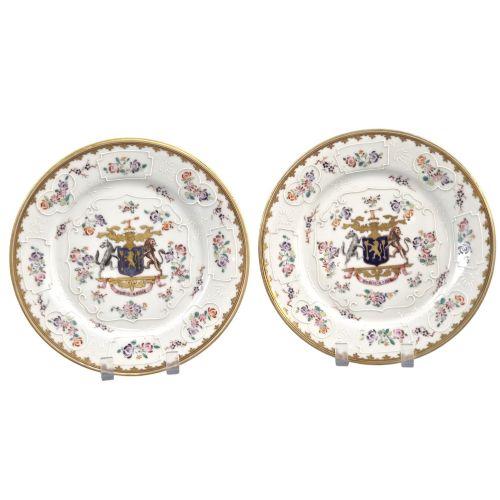
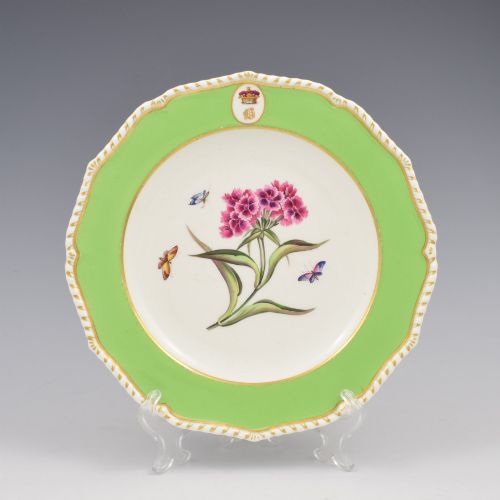
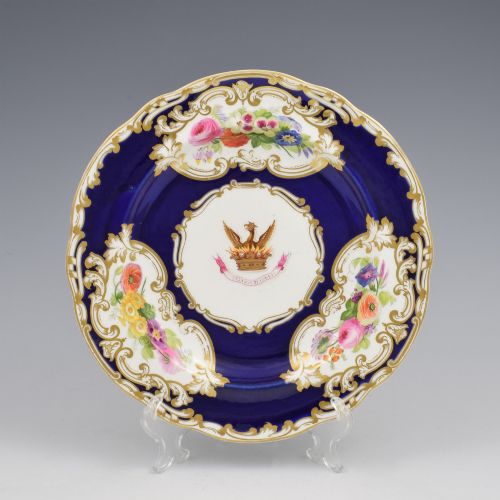
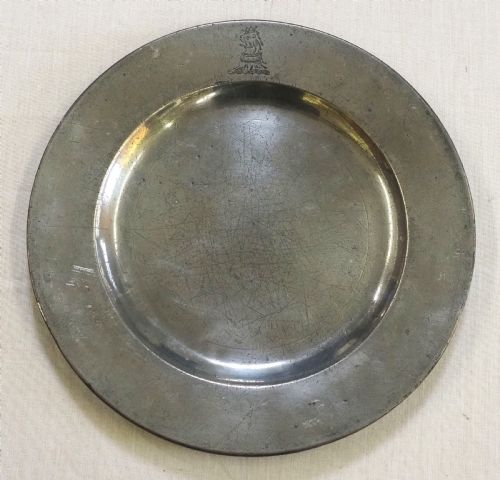
An antique armorial plate carries a family crest or coat of arms, offering a tangible link to specific lineages through painted porcelain, earthenware or metal.
Antique Armorial Plate
When you search for an antique armorial plate, you encounter items designed to display the heraldry of prominent families, corporations or institutions on ceramic, pewter or plated surfaces. The pieces listed here span the seventeenth century through the Victorian era, encompassing British potteries, Chinese export wares and continental porcelain.
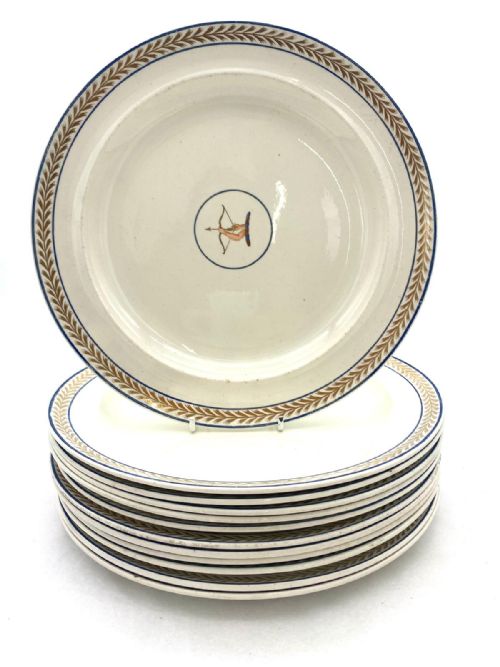
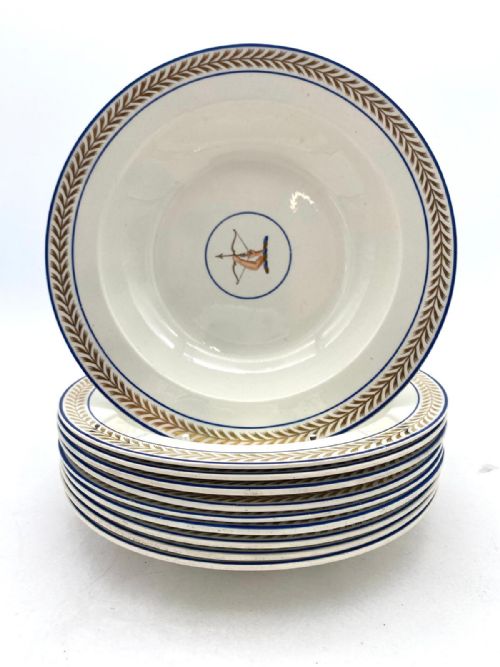
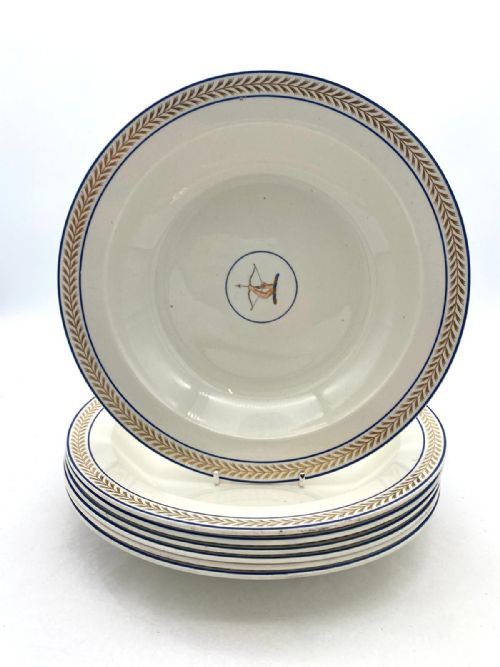
You are most likely to meet creamware dinner services, porcelain dessert plates, and earthenware bowls produced in the eighteenth and nineteenth centuries. These items range from Chinese export porcelain painted with famille rose enamels to English creamware and bone china carrying hand-painted crests.
The selection includes specialised serving forms alongside traditional dinner plates, such as soup bowls, pudding bowls, rectangular dishes and large chargers. Each object bears hand-painted or enamelled heraldic devices, ranging from simple family crests to elaborate coats of arms.
Materials and methods of production
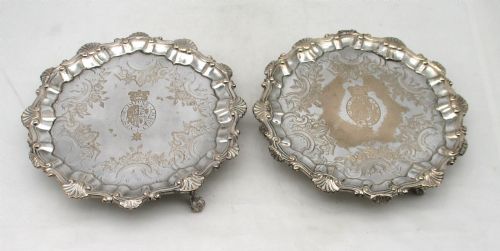
Makers utilised hard-paste and soft-paste porcelain, creamware, earthenware, faience, pewter, and copper fused with silver through Old Sheffield plating techniques. Ceramic pieces received hand-painted enamel decoration, sometimes combined with gilding, while metal items displayed engraved or applied crests.
Factories such as Wedgwood, Minton, Copeland, Coalport and Bloor Derby shaped clay bodies on the potter's wheel or in moulds before firing them in kilns. Metal items involved beating copper or pewter into sheets, casting rims, and soldering components together.
The listings here include items from the seventeenth, eighteenth, and nineteenth centuries, spanning materials from pewter and Old Sheffield Plate to creamware, earthenware, and porcelain.
Distinguishing quality in armorial wares
Quality depends upon the crispness of the heraldic painting and the precision of the enamel work. Superior examples exhibit finely detailed brushwork in the crests and borders, while lesser pieces show simpler or more hurried application.
The sophistication of the ceramic body or metal substrate influences the standing of a piece. Finer porcelain bodies, complex moulded borders, and heavy Old Sheffield plating elevate the status of the item within its period.
Edmé Samson & Cie·Bloor Derby·Copeland·James Spackman·Matthew Boulton·Coalport·Chamberlain Worcester·Veuve Perrin·Barr, Flight & Barr·Minton·Thomas Templeman·Lawrence Dyer
The Antique Armorial Plate Glossary
- Armorial
- Bearing a coat of arms or heraldic crest. This term describes ceramic and metal items personalized for specific families.
- Old Sheffield Plate
- A composite material made by fusing a thin sheet of silver to a thicker copper base. It was widely used for salvers, trays, and plates before electroplating.
- Famille Rose
- A palette of opaque enamel colours dominated by pink, introduced in Chinese export porcelain during the eighteenth century. It allowed for detailed pictorial and heraldic designs.
- Faience
- Tin-glazed earthenware produced in continental Europe. It provides an absorbent white surface suitable for painted decoration.
Antique Armorial Plate: Frequently Asked Questions
What is an armorial plate?
An armorial plate is a dish decorated with the coat of arms, crest or motto of a specific family, institution or noble house. These pieces were typically commissioned as part of large dinner or dessert services.
They served both a functional dining purpose and a decorative role, acting as a statement of status and lineage during formal meals.
How were coats of arms added to ceramics?
Ceramic painters hand-painted the heraldic designs onto the glazed surface using enamel colours, often referencing drawings provided by the commissioning family. The pieces were then fired again in a muffle kiln to fix the pigments.
In some instances, particularly with Chinese export porcelain, European families sent bookplates or sketches to workshops abroad to guide the painters.
Can I use antique armorial plates for dining?
While these plates were originally made for dining, most collectors today display them as cabinet pieces or use them only on special occasions. Centuries of wear can make the enamel fragile, and metal plates require careful polishing.
Hand-washing with mild soap is essential if you choose to use ceramic pieces, as modern dishwashers can damage delicate glazes and gilding.
How do I identify the family crest?
Identifying the crest involves consulting heraldic reference books or indexes that match mottoes, shield charges and crests to historical families. The surname associated with the arms often appears in auction records or factory archives.
Many pieces document specific commissions for landed gentry, peers or city guilds, allowing researchers to trace the provenance of the service.