


Antique Chinese Tray
An antique chinese tray brings export porcelain, carved hardwood, and sterling silver into domestic service with genuine regional character.
Antique Chinese Tray
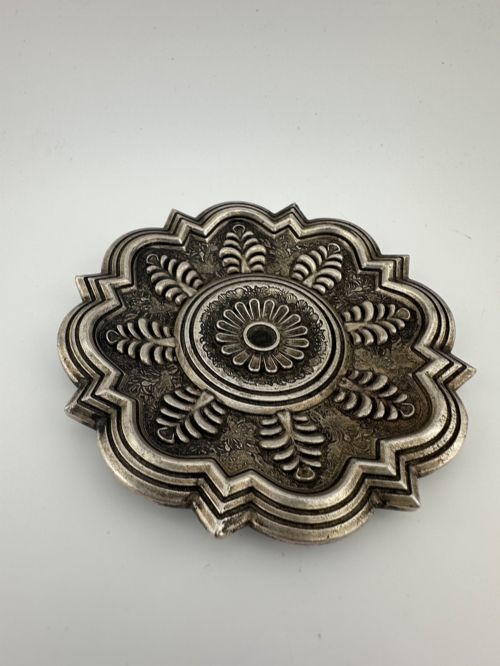
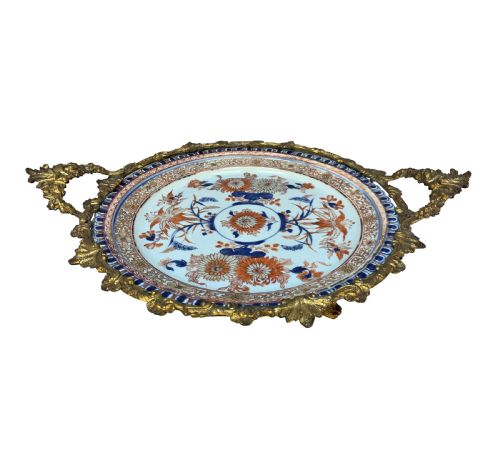
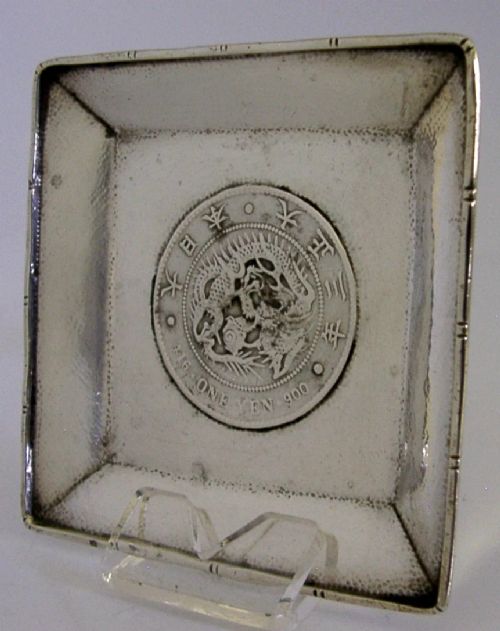
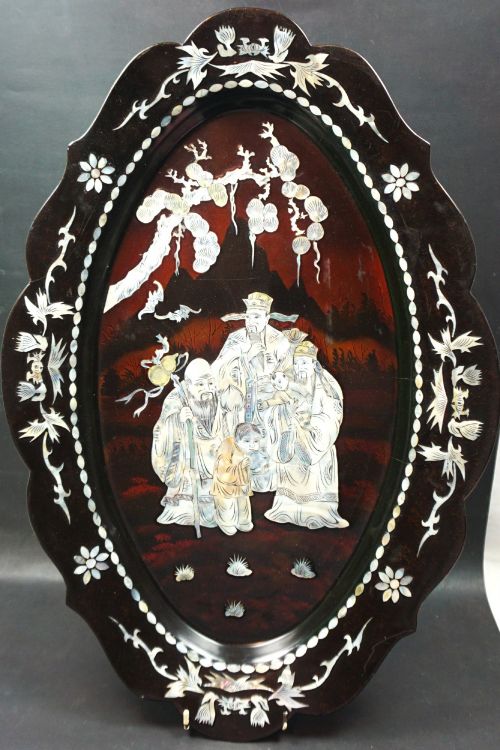
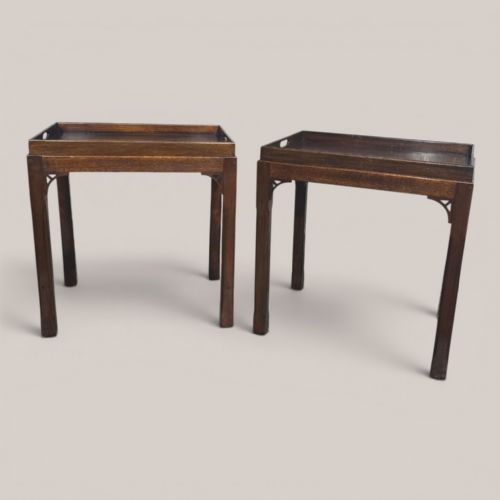
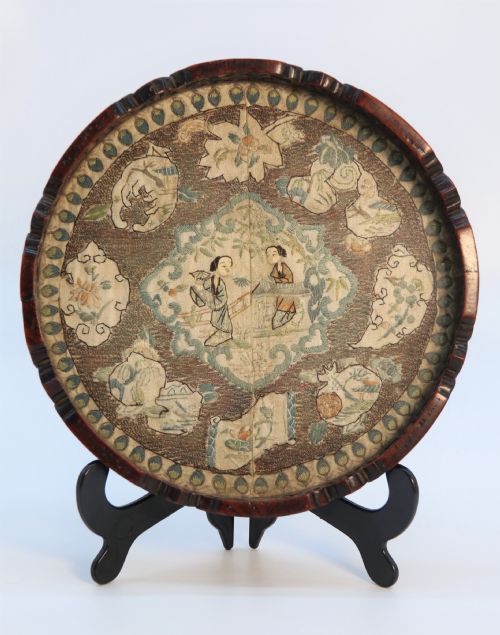
An antique chinese tray encompasses a broad spectrum of serving platters, pin dishes, and folding tray tables found on this page. The forms range from 18th-century porcelain serving dishes and Canton plates to carved hardwood folding tables and sterling silver coin dishes.
Buyers frequently encounter export porcelain decorated in famille rose or blue and white, alongside lacquerware and silver items spanning the 18th and 19th centuries. These objects served utilitarian and decorative purposes across various global markets, reflecting both traditional motifs and Western aesthetic demands.
How they were made
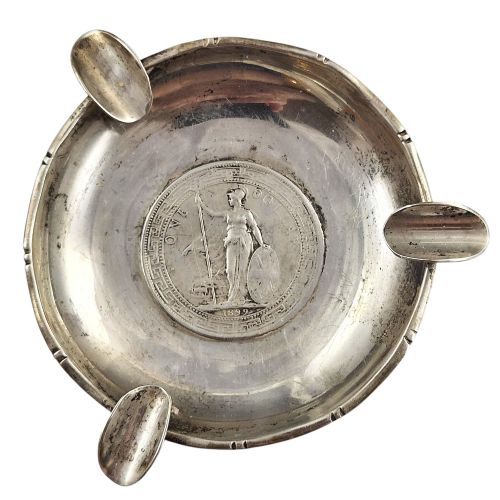
Craftsmen utilised hard woods such as mahogany and hongmu, often carving intricate borders or applying mother-of-pearl inlay to lacquered surfaces. Metalwork examples combine sterling silver, white metal, and ormolu mounts, frequently incorporating coins or enamel details.
Porcelain items display underglaze blue painting or overglaze famille rose and famille verte enamels fired at high temperatures. Wood and lacquer pieces rely on precise joinery, folding bases, and layered natural resins to achieve durable decorative finishes.
Several silver dishes incorporate genuine historical coins, turning foreign currency into functional desk accessories.
What varies in quality
The refinement of painted enamels, the crispness of wood carving, and the weight of the silver distinguish exceptional pieces from standard production. Superior examples display meticulous hand-painted details and well-preserved surface patination without distraction.
Structural integrity in folding tables and the stability of lacquer or mother-of-pearl inlays determine overall execution. Pieces retaining original mounts, marks, and uncompromised structural components command greater regard among collectors.
Lee Yee Hing·Elkington·Minton
The Antique Chinese Tray Glossary
- Canton
- A style of Chinese porcelain and enamel decoration originating from Guangzhou, typically featuring colourful panels of figures, birds, and flowers.
- Famille Rose
- A palette of opaque pink and rose enamels introduced to Chinese porcelain during the Qing dynasty.
- Hongmu
- A dense, dark tropical hardwood utilised extensively in traditional Chinese furniture and tray construction.
- Paktong
- A copper-nickel-zinc alloy resembling silver, used in historical metalwork for candlesticks and decorative objects.
- Qianlong
- The period of the Qing dynasty spanning the 18th century, associated with high technical achievement in porcelain and decorative arts.
Antique Chinese Tray: Frequently Asked Questions
How were antique chinese trays used?
These items functioned as serving platters for meals, vessels for calling cards, or as portable tea trays set upon folding stands.
Larger wooden examples served as low coffee tables or occasional stands in reception rooms, while small silver and porcelain dishes held pins or coins.
How do I care for lacquered wood?
Keep wooden and lacquered pieces away from direct sunlight and extreme humidity fluctuations to prevent splitting or lifting.
Dust gently with a dry, soft cloth and avoid chemical polishes that can damage historical finishes.
What is Chinese Export porcelain?
This category includes ceramics manufactured in China specifically for Western markets, often featuring European armorial designs or modified shapes.
The decoration frequently blends traditional Chinese painting techniques with Western stylistic preferences.
How do I distinguish 18th-century pieces?
Look for specific glaze characteristics, potting weight, and underglaze cobalt variations typical of the Qing dynasty and Qianlong periods.
Material composition in silver and hardwoods also aligns with the prevailing manufacturing methods of the specific century.