
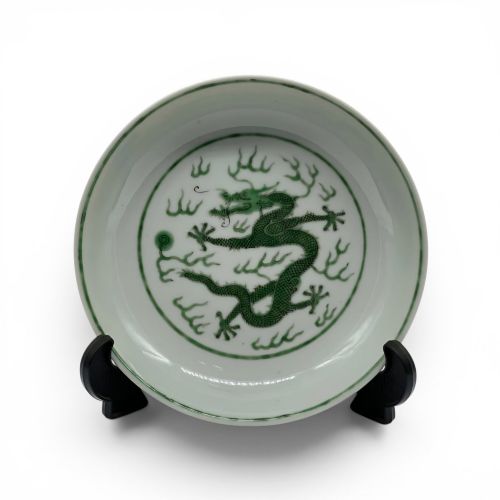


Hand Painted Chinese Plate
A hand painted chinese plate brings centuries of kiln craft and vibrant polychrome pigment directly to the table.
Hand Painted Chinese Plate
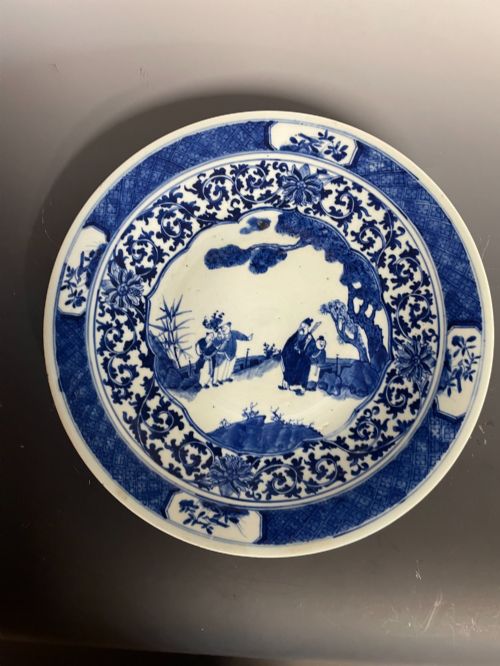
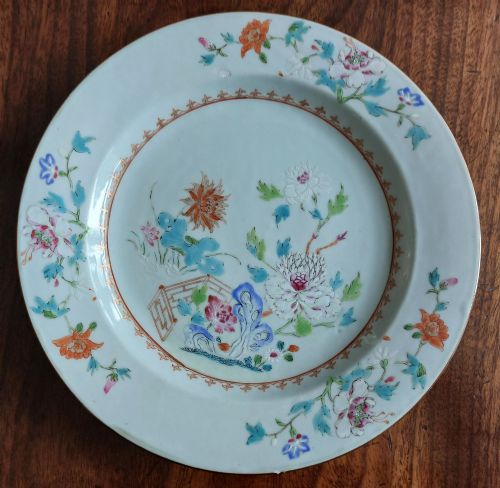
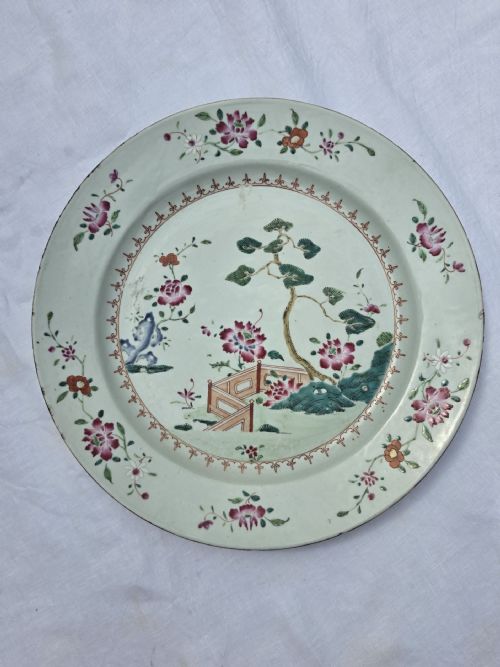
A hand painted chinese plate represents a centuries-old tradition of ceramic artistry reaching back to the Qing dynasty and the Qianlong period. Buyers searching for a hand painted chinese plate will encounter items stretching from the eighteenth century into the twentieth century, encompassing both export wares and imperial styles.
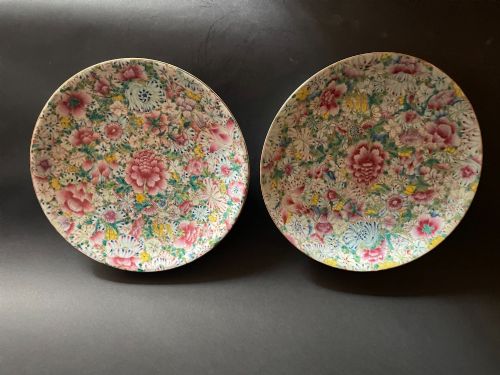
The physical forms include decorative dishes, chargers, bowls, and platters shaped in circles, trefoils, and shamrock configurations. Eighteenth-century examples frequently display intricate Famille Rose or Mandarin palette designs, whilst nineteenth-century pieces showcase Canton Rose Medallion and Famille Verte aesthetics.
Georgian Chinoiserie and English pearlware adaptations also appear alongside traditional porcelain, reflecting the historic trade between Britain and China. Most pieces found here lean towards decorative display rather than daily dining use.
Materials and Techniques
The foundation of these items is hard-paste porcelain or ceramic, shaped by hand or moulded before firing at high temperatures to achieve a dense, durable body. Artisans then applied underglaze blue pigments or overglaze enamels by hand, creating complex pictorial scenes of birds, florals, and figural narratives.
Gilding and gold leaf were frequently added as finishing touches to highlight rims, motifs, and borders, requiring an additional low-temperature firing to bond the precious metal to the glaze. Enamels such as those found in Famille Rose and Famille Verte palettes were layered carefully to give depth and texture to the painted surface.
Acrobatics, circus scenes, and five blessings hide among the painted birds and flowers, proving that eighteenth-century artisans enjoyed a sense of fun.
Assessing Quality
Quality in a hand painted chinese plate rests upon the precision and delicacy of the brushwork, where finer pieces exhibit meticulous detail in facial expressions, plumage, and botanical motifs. The clarity of the porcelain body and the richness of the overglaze enamels distinguish superior examples from standard export production.
The presence of armorial bearings, imperial-style green dragons, or complex multi-figured narrative scenes elevates a piece above simpler floral patterns. Furthermore, the crispness of the gilding and the evenness of the glaze application reveal the skill of the original workshop.
The Hand Painted Chinese Plate Glossary
- Famille Rose
- A palette of opaque overglaze enamels dominated by pink or rose colours, introduced during the Qing dynasty. This technique allowed for subtle tonal gradations in floral and figural subjects.
- Famille Verte
- A translucent green-dominated enamel palette used extensively on Chinese porcelain before the rise of pink enamels. It relies on bright greens, iron red, and yellow to create vibrant compositions.
- Chinese Export
- Porcelain manufactured in China specifically for the Western market from the sixteenth to the nineteenth centuries. These items often combined traditional Chinese craftsmanship with European heraldic or decorative shapes.
- Mandarin Palette
- A style of hand-painted decoration featuring elaborate interior or court scenes framed by borders of birds, butterflies, and flowers. It is particularly associated with eighteenth-century export porcelain.
- Qianlong
- Pertaining to the long reign of the Qianlong Emperor, representing a peak of technical refinement and artistic output in Chinese ceramics.
Hand Painted Chinese Plate: Frequently Asked Questions
How do I date an antique Chinese plate?
Dating relies on stylistic markers, enamel palettes, and potting characteristics that align with specific periods like the Qianlong reign or the nineteenth-century Canton era. Comparing the foot ring, glaze texture, and painting style helps establish the likely era of manufacture.
Examining the foot rim often reveals whether the paste is fine hard-paste porcelain typical of earlier dynasties or heavier nineteenth-century ceramic bodies. Wear patterns and kiln anomalies also provide clues to age.
Can I use these plates for serving food?
Most antique plates are intended for decorative display rather than practical dining use, particularly items featuring delicate overglaze enamels and gold leaf that can wear away with washing.
Historical pieces may also contain lead or other compounds in the older glazes, making them unsuitable for modern food consumption. Gentle dusting with a dry cloth is the recommended method of care.
What is the difference between Famille Rose and Famille Verte?
Famille Rose relies on an opaque pink enamel derived from colloidal gold, allowing painters to achieve soft shading and a wide spectrum of pastel hues. It became dominant after its introduction in the eighteenth century.
Famille Verte uses translucent green as the primary colour, supported by iron red, yellow, and blue, producing a brighter and more graphic appearance typical of earlier periods.
What does Chinese Export mean?
Chinese Export describes ceramics made in Chinese kilns expressly for export to European and American markets. These objects often incorporated Western shapes, armorial crests, or adapted decorative motifs to suit foreign tastes.
The trade was facilitated by maritime companies such as the East India Company, bringing distinct aesthetic hybrids into Western stately homes and domestic interiors.