


Chinese Export Porcelain Plate
Chinese export porcelain plate examples combine European shapes with Eastern porcelain production, offering historical depth for any collector's display.
What these plates are
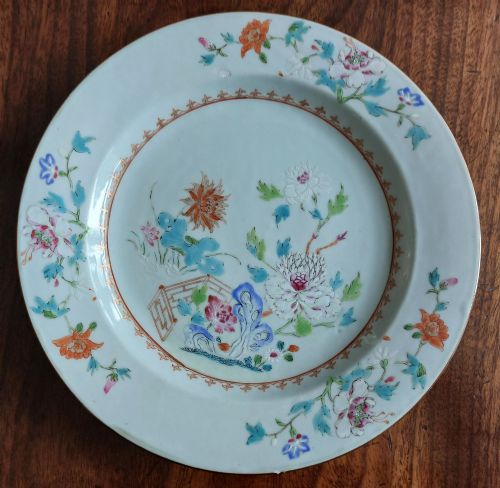
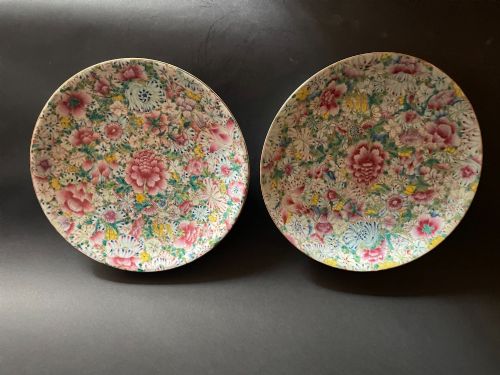
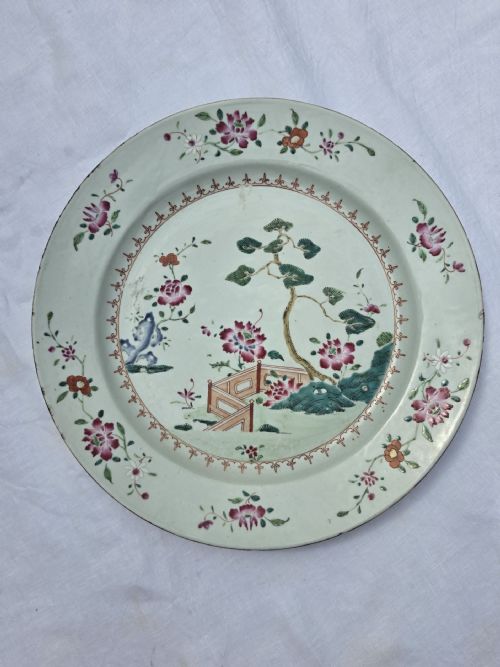
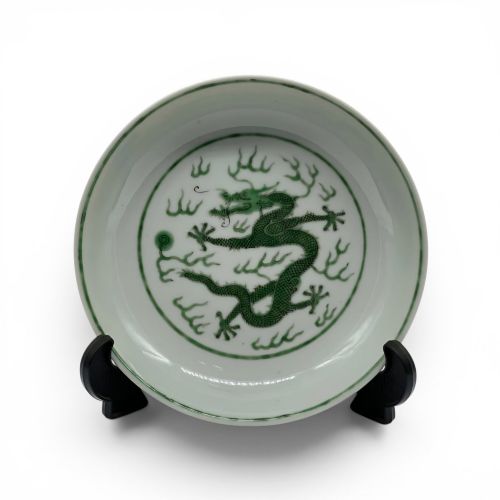
A chinese export porcelain plate bridges Eastern ceramic manufacturing and Western decorative demands. These decorative plates emerge from historical trade routes spanning centuries.
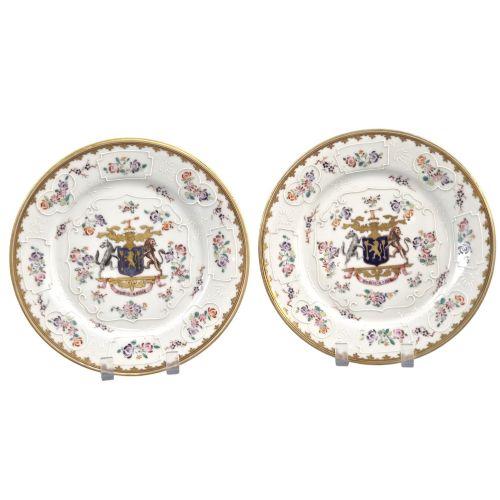
The evidence shows examples dating from seventeen-fifty and eighteen-seventy. Pieces range from standard decorative plates to large chargers and armorial designs bearing coats of arms.
Qing dynasty production methods underpin these objects. Buyers encounter both eighteenth-century specimens and later nineteenth-century interpretations on this page.
How they were made
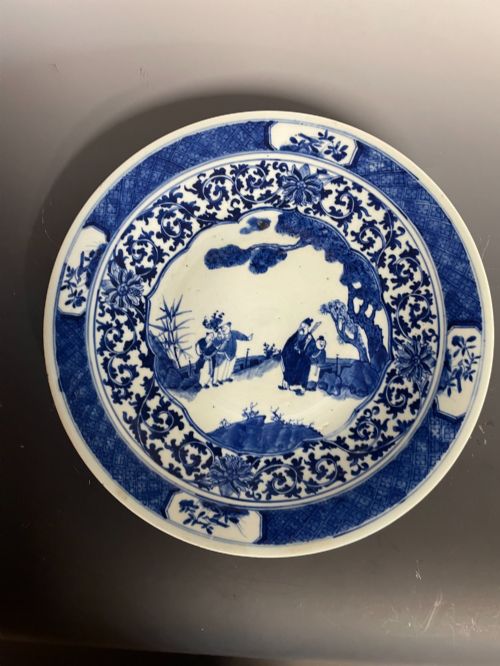
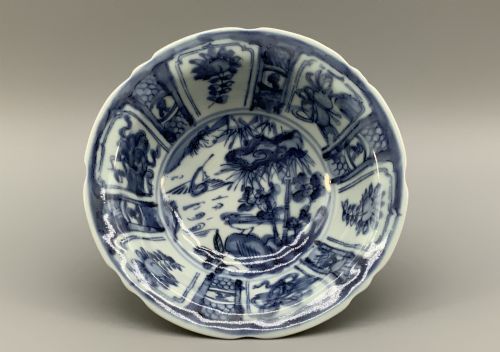
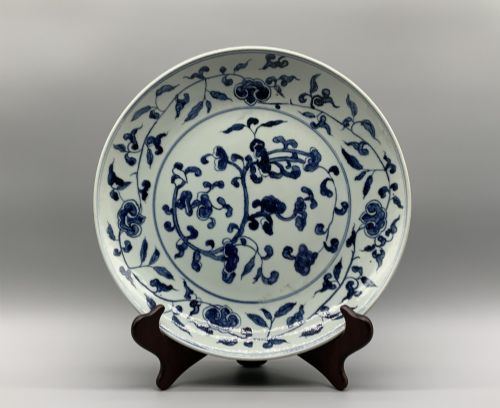
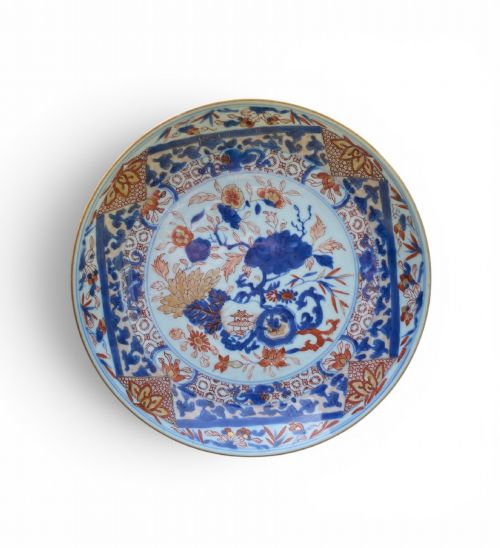
Potters shape fine porcelain before applying cobalt underglaze details. Artisans then fire the ceramic base at high temperatures to achieve a durable vitrified body.
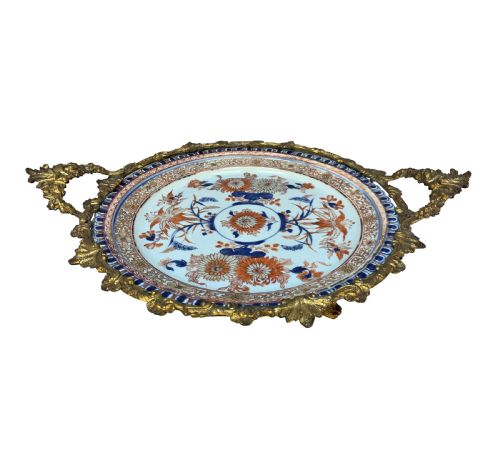
Enamel pigments and gold leaf additions provide surface colour and metallic highlights after the initial glaze firing. These decorative layers require careful secondary firing to bond with the porcelain glaze.
Early export painters occasionally misinterpreted European heraldic sketches, adding imaginative flourishes to coats of arms.
What varies in quality
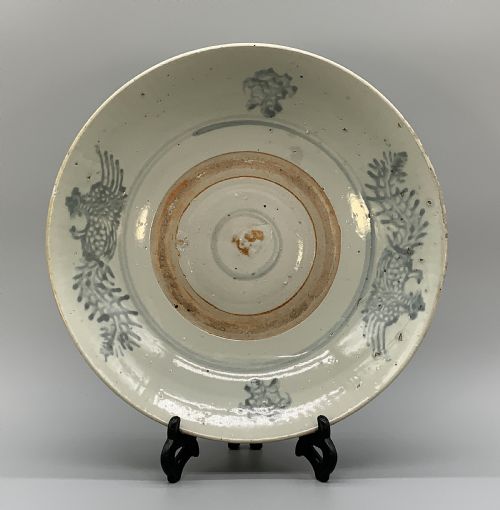
Brushwork precision separates standard utility wares from superior artistic commissions. Finer specimens display exact linework in cobalt underglaze and meticulously applied gold leaf.
Armorial commissions and complex famille rose enamel schemes demand greater technical skill from the painter. The complexity of the coat of arms or pictorial scene dictates the upper tier of the range.
The Chinese Export Porcelain Plate Glossary
- Armorial plate
- A ceramic dish painted with a specific family's coat of arms. These bespoke commissions were ordered by European nobility and wealthy merchants.
- Cobalt underglaze
- A blue pigment applied directly to the raw porcelain body before glazing and firing. This technique ensures the blue colour remains permanent under the glossy surface.
- Famille rose
- A palette of opaque enamel colours dominated by pink tones introduced during the Qing dynasty. Artisans utilise this scheme to render detailed floral and figurative motifs.
- Charger
- A large decorative plate utilised historically for ceremonial dining or display on sideboards. These pieces exceed standard dining dimensions.
- Qing dynasty
- The final imperial dynasty of China spanning from sixteen-fourteen-fourteen to nineteen-twelve. Porcelain production reached sophisticated technical heights during this lengthy period.
Frequently Asked Questions
How do I date an old plate?
Examine the base body and stylistic painting characteristics to gauge the period of manufacture. Eighteenth-century examples often display distinct potting traits compared to eighteen-seventy alternatives.
Material analysis of the porcelain body and enamel pigments provides further clues regarding age. Historical trade context helps narrow down the decade of production.
Were these plates used for dining?
Many exported wares served functional dining roles in wealthy European households before entering the collector market. Armorial plates particularly demonstrated social status during formal banquets.
Larger charger formats typically functioned as display pieces rather than active tableware. Their detailed enamel and gold leaf decoration suited drawing-room presentation.
How should I display my plate?
Utilise stable wall brackets or specialised cabinet stands designed specifically for heavy ceramic display. Ensure the mounting hardware securely supports the weight of the porcelain.
Keep pieces away from direct sunlight to protect enamel pigments and gold leaf highlights from fading over time. Stable indoor humidity prevents unnecessary stress on the glaze.