



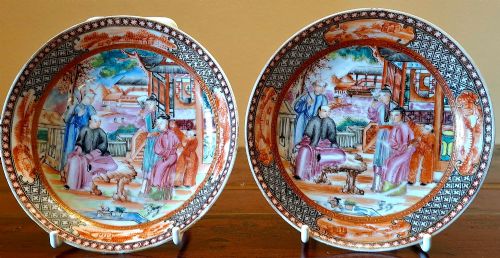

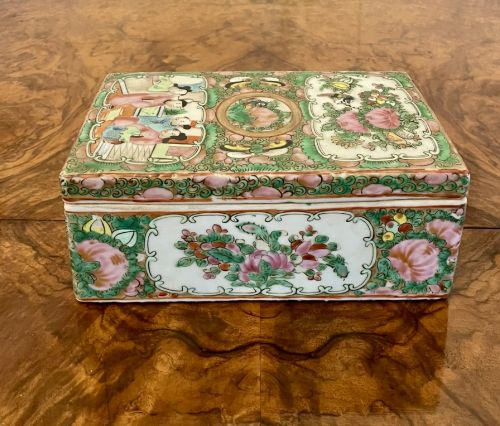
Canton Enamel Dish
These canton enamel dish pieces are vibrant items made for export, bringing historic Chinese colour and pattern directly to a table.
Canton Enamel Dish
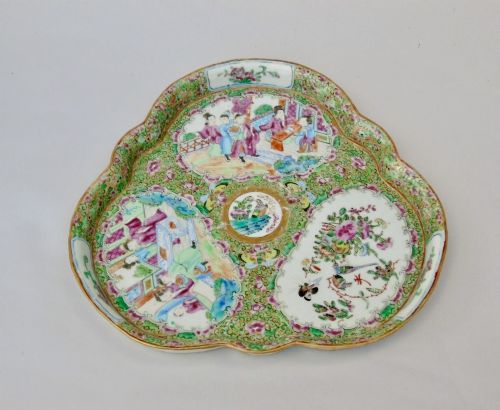
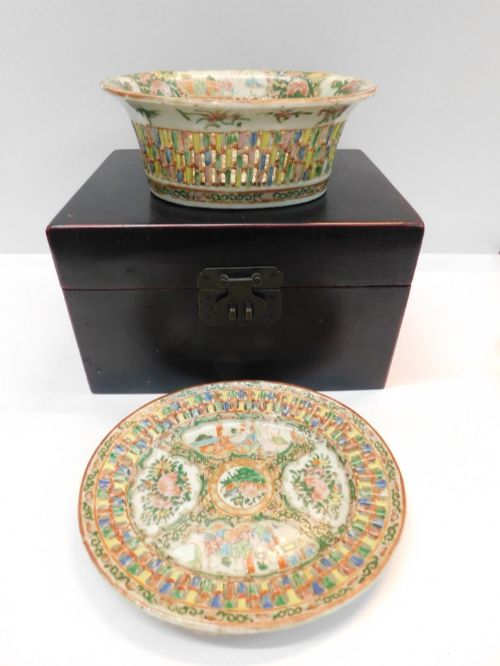
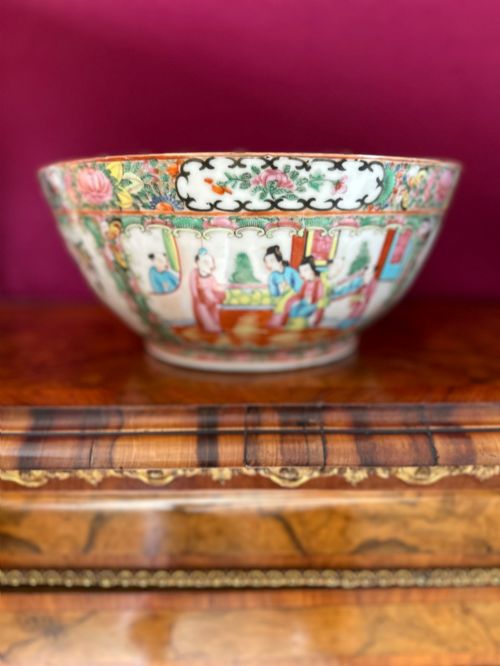
A canton enamel dish typically presents as a colourful vessel created during the Qing dynasty for international trade. These objects appear in various forms on this page, ranging from standard dishes and saucers to larger bowls, trays, and jardinieres.
Buyers will encounter items spanning the eighteenth and nineteenth centuries, including Victorian period examples. The decorative language often utilises rich famille rose and famille verte palettes, sometimes featuring specific shapes like trefoil or shamrock outlines.
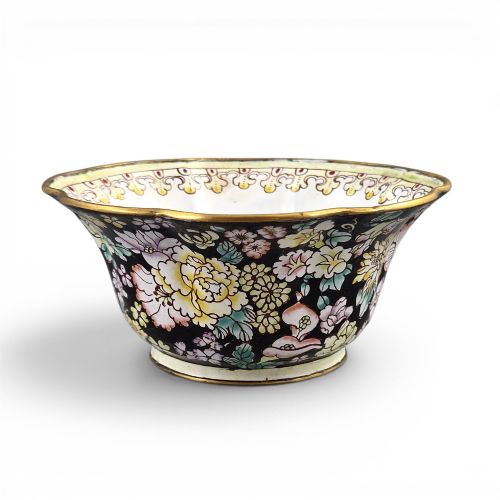
Chinese export production defined these pieces, combining traditional craftsmanship with motifs destined for Western markets. The assortment includes items made from enamel on copper alongside hard-paste porcelain variants.
How They Were Made
Makers utilised copper or hard-paste porcelain as the foundation for these works, applying detailed overglaze enamel to build up the imagery. Skilled hands painted each design by brush before firing the pieces to fuse the colours.
Gilding and gold leaf frequently highlight the rims and specific decorative elements, adding metallic brilliance to the polychrome surfaces. This combination of copper bases or porcelain bodies with layered enamels created durable, highly finished surfaces.
Canton Enamel Dish Retail Price Guide 2026
Typical asking prices for canton enamel dish among the pieces listed under this phrase on Sellingantiques today, from the lower quarter to the upper quarter. They describe what is for sale here now, not the wider market.
Materials recorded across the inventory include copper, hard-paste porcelain, gilding, and overglaze enamel.
What Varies in Quality
The precision and detail of the hand-painted brushwork dictate the visual success of each object. Finer examples display meticulous control in the application of overglaze enamels and gilding, whereas simpler versions show broader strokes.
The complexity of the form itself contributes to the standard of the piece, with reticulated or lobbed shapes requiring greater skill from the maker. Preservation of the original enamel and gold leaf without loss also defines the better specimens.
The Canton Enamel Dish Glossary
- Famille Rose
- A palette of opaque pink and rose enamels introduced during the Qing dynasty. This coloration dominates much of the export ware seen here.
- Famille Verte
- A green-dominated palette used for overglaze decoration on Chinese ceramics and enamels. It provides a distinct contrast to the rose-toned pieces.
- Hard-paste Porcelain
- A dense, vitrified ceramic material fired at high temperatures. It forms the durable body of many export dishes.
- Qing Dynasty
- The imperial dynasty ruling China from sixteen forty-four to nineteen twelve. Most items on this page originate from this extended period.
- Overglaze Enamel
- Coloured glass decoration applied on top of a previously fired glaze and refired at a lower temperature. This technique allows for bright, varied surface designs.
Canton Enamel Dish: Frequently Asked Questions
What is a canton enamel dish?
A canton enamel dish is a decorated vessel produced in China for export during the Qing dynasty, typically featuring colourful painted motifs. These items range from small saucers to larger trays and bowls.
They reflect the artistic exchange between China and the West during the eighteenth and nineteenth centuries. The use of vibrant overglaze enamels defines their visual character.
How do I date a canton dish?
Dating relies on stylistic markers, materials, and documented periods such as the Qianlong or Guangxu eras. Eighteenth-century pieces often display specific export characteristics distinct from later Victorian examples.
Examining the palette, body material like copper or porcelain, and form helps narrow down the timeframe. Reference to known reign periods provides further chronological context.
Were these dishes used for food?
Many of these pieces served decorative and display purposes rather than practical dining functions. Forms like jardinieres, pedestals, and intricate trays point to ornamental use.
Saucers and bowls could hold items, but the delicate overglaze enamels and gilding were primarily intended for visual enjoyment in domestic settings.
What materials are used?
The primary materials include enamel, copper, and hard-paste porcelain. Artisans applied overglaze enamels to these rigid foundations to create the colourful surface designs.
Gilding and gold leaf frequently accent the rims and patterns. This combination of metal or ceramic bodies with vitreous surface decoration characterises the medium.