
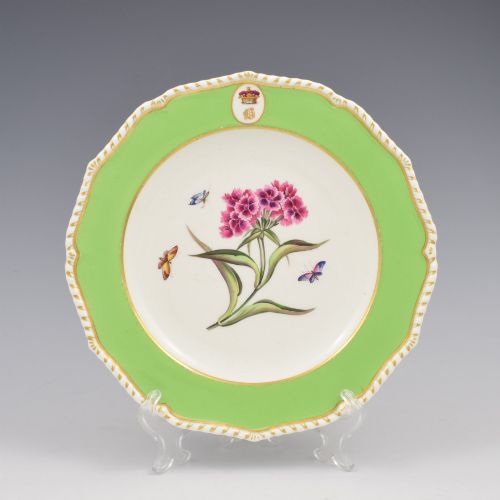


Green Porcelain Dish
When you search for a green porcelain dish, you uncover centuries of fired earth and botanical glaze spanning English factories and East Asian kilns.
Green Porcelain Dish
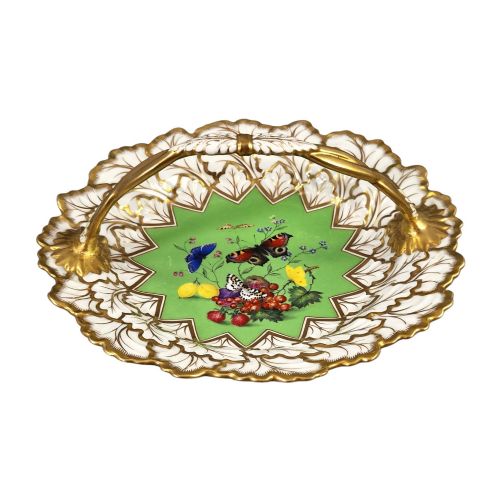
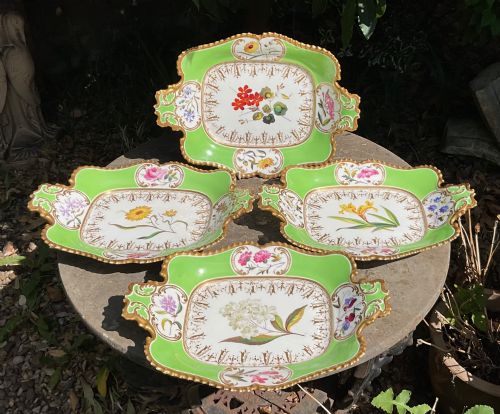
A green porcelain dish encompasses everything from celadon vessels of early dynasties to Regency botanical dessert plates and Edwardian cabinet pieces.
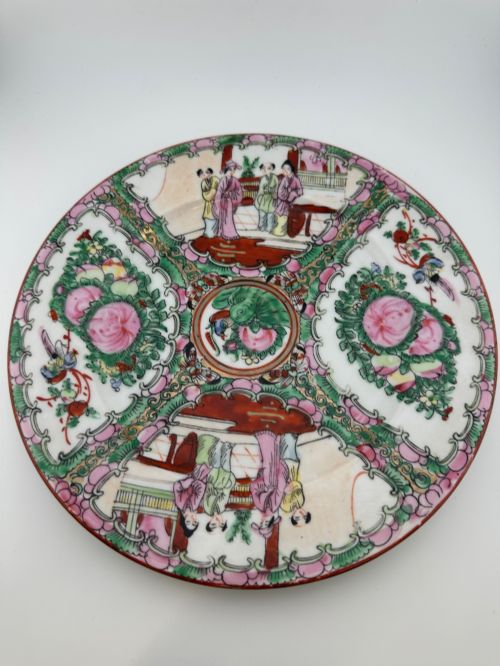
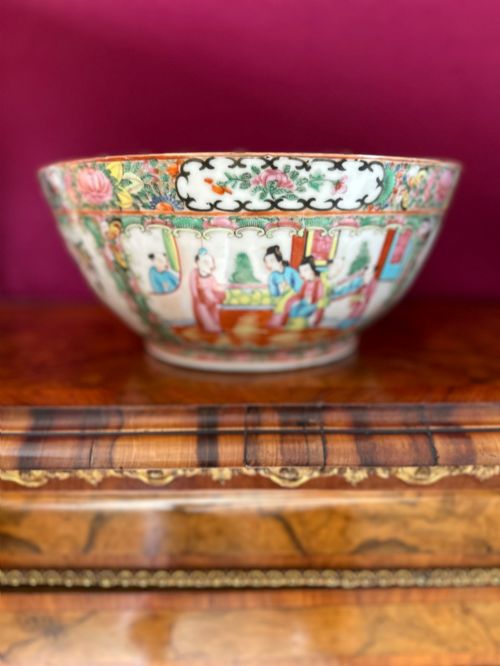
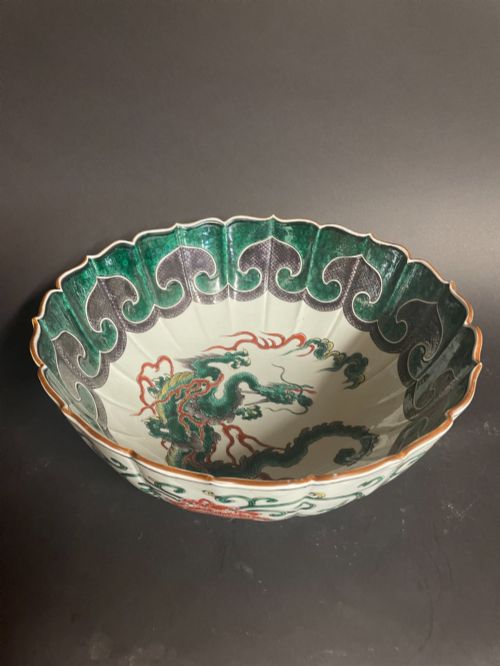
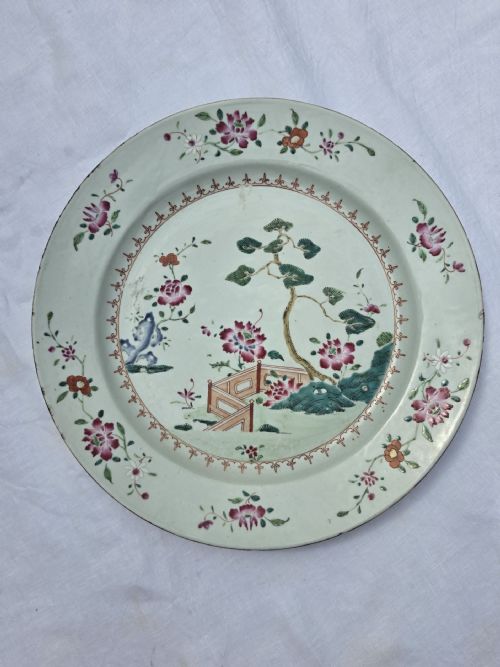
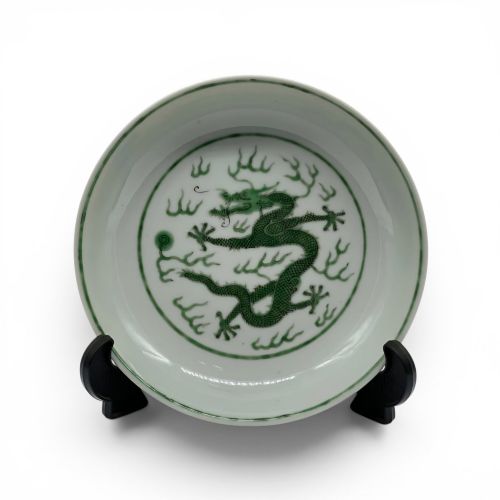
The green porcelain dish most frequently encountered on this page ranges from Chinese export wares and Japanese chargers to English factory productions by Worcester and Minton.
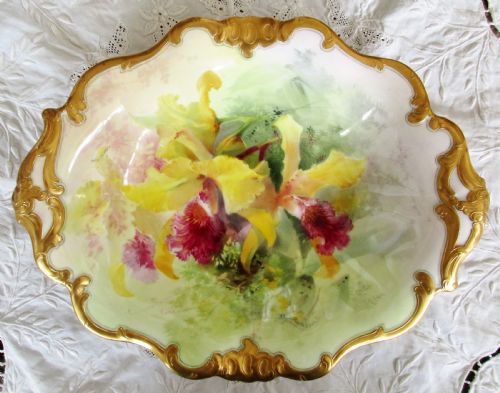
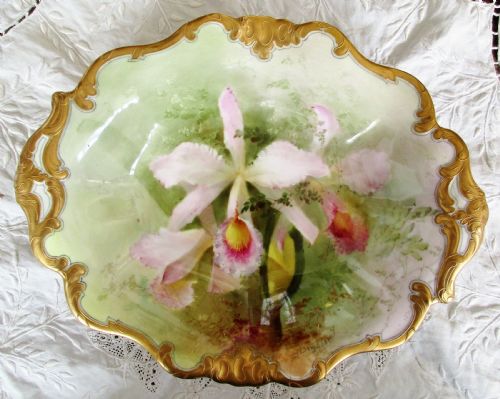
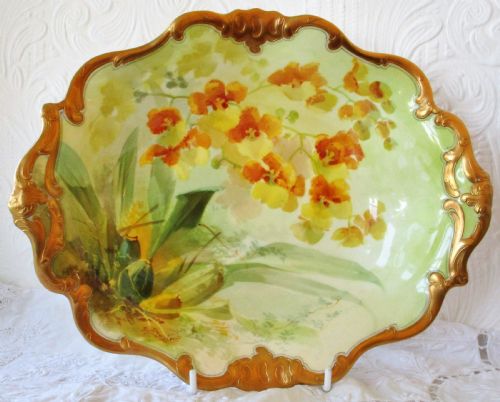
Makers utilised porcelain, bone china and ironstone to form bowls, chargers, plates and cabinet dishes decorated with green grounds, dragon motifs and hand-painted foliage.
Materials and Technique
Potters shaped fine clay bodies into dishes before applying mineral glazes, enamel colours, and occasionally gold leaf or gilding.
High-temperature kiln firing set the glaze and body, while enamels and gilding required subsequent lower-temperature fixings on many English and Chinese examples.
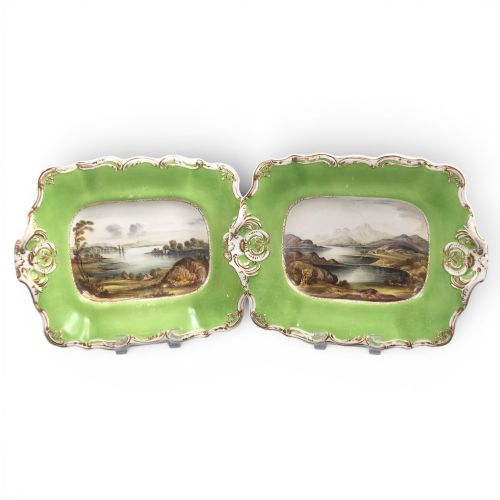
Listings feature porcelain pieces spanning the 18th century, Regency period, and early 20th century, utilising celadon glaze, enamel, and gold leaf.
Evaluating Quality and Execution
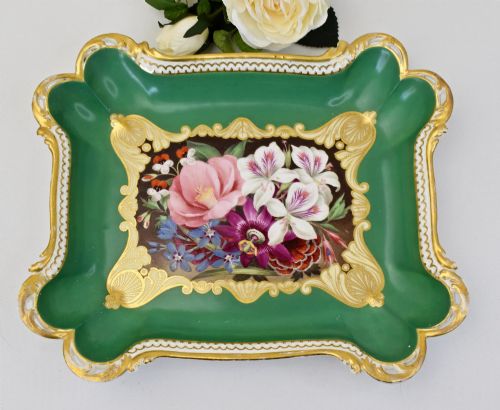
Quality rests in the crispness of the moulded floral scroll, the precision of hand-painted botanical details, and the evenness of the celadon or apple green glaze across the surface.
Early factory execution by skilled porcelain painters separates standard domestic tableware from exceptional cabinet dishes commissioned for armorial services.
Flight Barr And Barr·Chamberlains Worcester·Royal Doulton·Bloor Derby·Minton·Wedgwood
The Green Porcelain Dish Glossary
- Celadon
- A transparent green glaze applied to porcelain, often featuring subtle crackles or carved relief decoration underneath.
- Armorial
- A coat of arms hand-painted onto porcelain plates and dishes, typically commissioned for landed gentry or noble families.
- Famille Verte
- A palette of enamel colours dominated by green, used on Chinese porcelain to depict figures, birds, and flowers.
- Cabinet Dish
- A decorative plate or tray intended for display in a cabinet rather than for daily dining use.
- Gilding
- The application of gold leaf or powdered gold to the rims and borders of porcelain vessels.
Green Porcelain Dish: Frequently Asked Questions
How do I care for antique porcelain dishes?
Wash porcelain pieces gently by hand in lukewarm water using mild soap, avoiding harsh scrubbing or modern dishwashers.
Keep delicate glazed and gilded items away from direct sunlight and extreme temperature fluctuations to protect the surface.
Were these dishes used for dining?
Many English porcelain plates and Chinese export dishes served practical functions during formal Regency and Georgian dining.
Cabinet pieces and large chargers were often intended primarily for display on sideboards or walls rather than food service.
How can I tell English porcelain from Asian export wares?
English factories like Worcester and Minton typically employed bone china or refined paste with botanical and armorial motifs characteristic of European taste.
Asian wares feature traditional celadon glazes, Kangxi or Qianlong mark styles, and distinctive iron-bearing clay bodies.
What causes differences in the green colour?
Celadon green results from iron oxide reacting within the glaze during high-temperature reduction firing in ancient Chinese kilns.
Later English makers achieved apple green and vibrant enamel shades through precise chemical mixtures and multiple kiln firings.