




Turn Teplitz Porcelain
Turn Teplitz porcelain pieces are striking Bohemian ceramics that bring organic Art Nouveau elegance to any room.
Turn Teplitz Porcelain
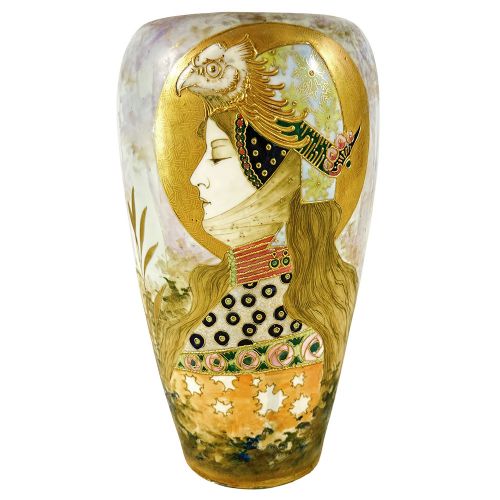
Turn Teplitz porcelain encompasses decorative figures, sculptural vases, and busts originating from the Teplitz-Turn region of Bohemia during the late nineteenth and early twentieth centuries. When searching for turn teplitz porcelain, collectors typically encounter works produced by prominent regional makers working in the prevailing Neoclassical and Art Nouveau aesthetic.
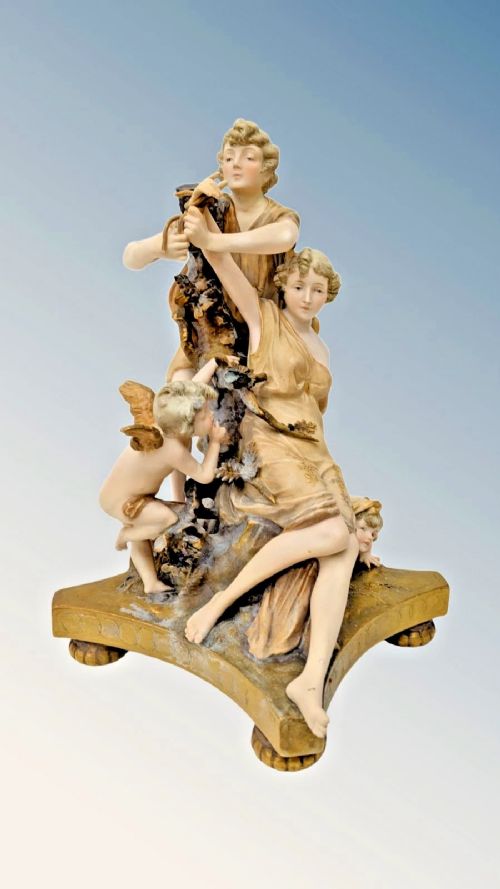
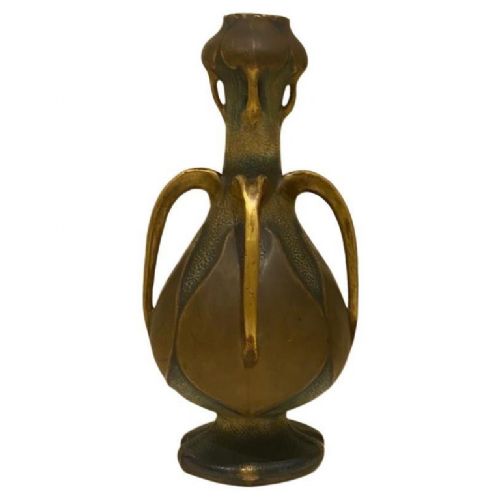
The objects span practical vessels like spill vases and cornucopia vases alongside ambitious figural centrepieces and large sculptures depicting mythological or natural themes. Pieces from this grouping frequently display fluid organic lines, floral motifs, and detailed human forms characteristic of turn-of-the-century European design.
Materials and Techniques
Maker workshops utilised fine porcelain, earthenware, and terracotta as the foundational bodies for these sculptural works. Artisans shaped these ceramic materials into complex figural compositions and vessel forms using detailed moulding and modelling techniques.
Surface decoration relied on hand painting, enamel work, and glaze applications, frequently heightened with gilt, gold leaf, and traditional gilding. These decorative finishes emphasised the flowing contours and intricate textures seen across Art Nouveau and Neoclassical designs.
Materials recorded across the inventory include porcelain, earthenware, terracotta, enamel, glaze, and gold leaf.
Assessing Quality and Execution
The application of glaze, enamel, and gold leaf further distinguishes superior pieces from standard production. Artisans who achieved subtle tonal gradations and careful gilding created works with lasting visual depth and sculptural clarity.
Reissner Stellmacher and Kessel·Ernst Wahliss·Royal Dux·Paul Dachsel·Alfred Stellmacher·Alois Hampel·Nicholas Kannhauser
The Turn Teplitz Porcelain Glossary
- Art Nouveau
- A decorative style characterised by sinuous lines, plant motifs, and flowing organic forms. This aesthetic dominated the design of turn-of-the-century Bohemian ceramics.
- Earthenware
- A porous ceramic body fired at lower temperatures than porcelain. Workshops utilised this material alongside fine porcelain for sculptural figures and vases.
- Spill Vase
- A small container designed to hold wooden spills used for lighting fires or pipes. These decorative vessels often took inventive sculptural shapes.
- Gilt
- A thin layer of gold applied to the surface of the ceramic or glaze. Artisans used gold leaf and gilding to highlight raised relief details.
- Centrepiece
- A large decorative object placed in the middle of a table. In this tradition, figural centrepieces often depicted mythological or natural subjects.
Turn Teplitz Porcelain: Frequently Asked Questions
What is Turn Teplitz porcelain?
Turn Teplitz porcelain refers to decorative ceramics produced in the Teplitz-Turn region of Bohemia during the late nineteenth and early twentieth centuries. The factories and studios operating in this area became known for artistic porcelain and earthenware.
These pieces span figural groups, busts, and vases heavily influenced by Art Nouveau and Neoclassical styles. Makers in the region employed skilled modellers and painters to create highly sculptural works.
How do I identify Art Nouveau pieces?
Art Nouveau pieces feature flowing organic lines, natural motifs like water lilies or floral elements, and stylized human figures. The designs avoid rigid symmetry in favour of dynamic, curving forms.
Potteries in Teplitz embraced this movement, incorporating naturalistic themes into the handles, bodies, and sculptural bases of their vases and figures.
Where were these pieces made?
These ceramics were manufactured in the town of Teplitz-Turn, located in the Bohemia region of the Austro-Hungarian Empire. The area possessed access to suitable clay deposits and a skilled manufacturing workforce.
Numerous independent studios, potteries, and porcelain works operated within this specific district, sharing techniques and artistic influences before exporting their output internationally.
How should I display large figures?
Large figures and sculptural vases require stable surfaces with adequate space to appreciate their three-dimensional modelling from multiple angles. Placing them away from heavy foot traffic protects delicate protruding elements.
Proper lighting helps accentuate the hand-painted details, enamel work, and gold leaf highlights applied by the original makers.