



Art Nouveau Maiden Figure
An art nouveau maiden figure captures flowing lines and organic grace, bringing turn-of-the-century elegance to any interior.
Art Nouveau Maiden Figure
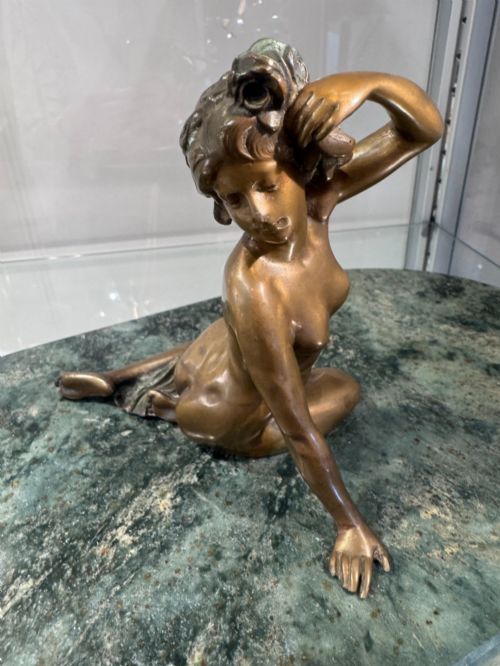
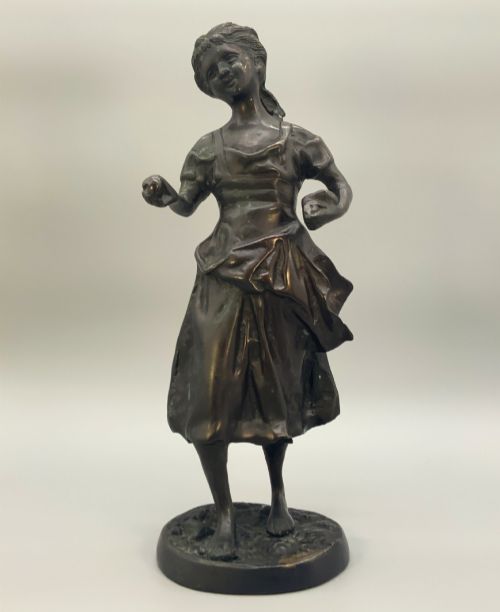
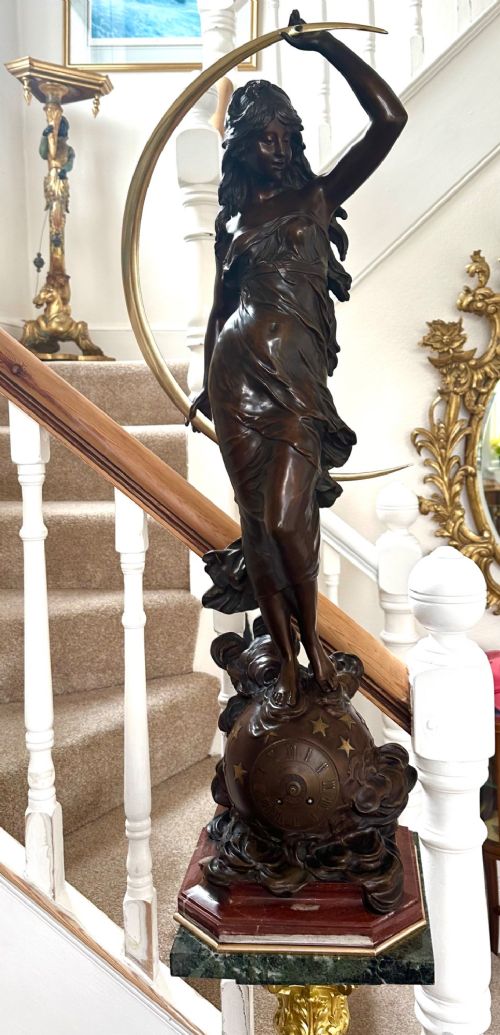
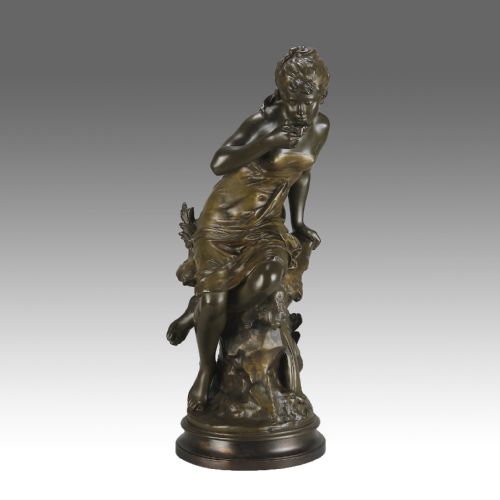
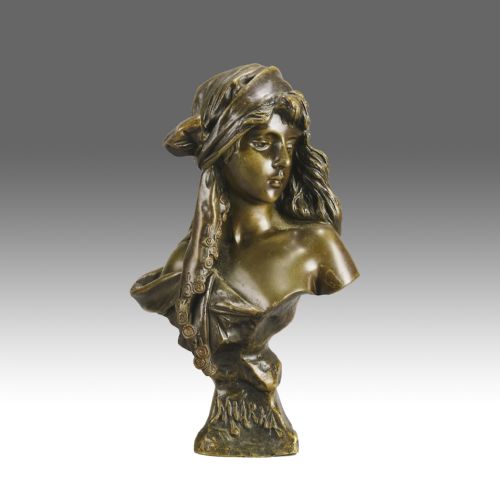
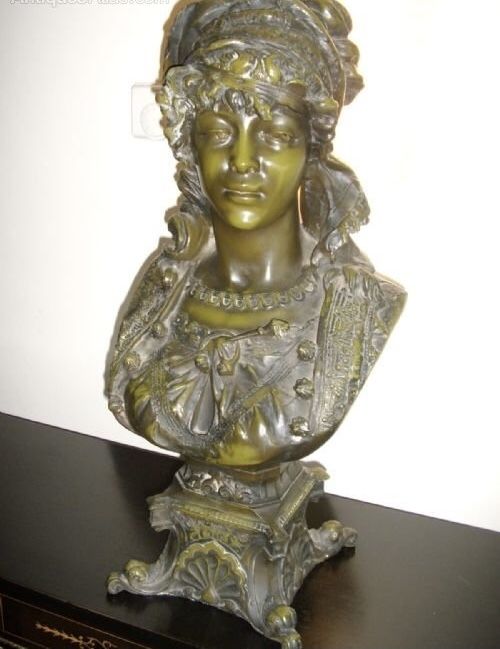
An art nouveau maiden figure typically depicts a young woman, nymph or classical figure framed by the sweeping curves and natural motifs characteristic of the late nineteenth and early twentieth centuries. These pieces appear primarily as freestanding sculptures, decorative busts, and functional centrepieces or spill vases.
The selections available here span from the 1880s through the Edwardian period and into the 1920s, with a strong representation of turn-of-the-century French and Austrian manufacture. Buyers will frequently encounter works produced by major European porcelain factories and signed bronzes from prominent salon sculptors.
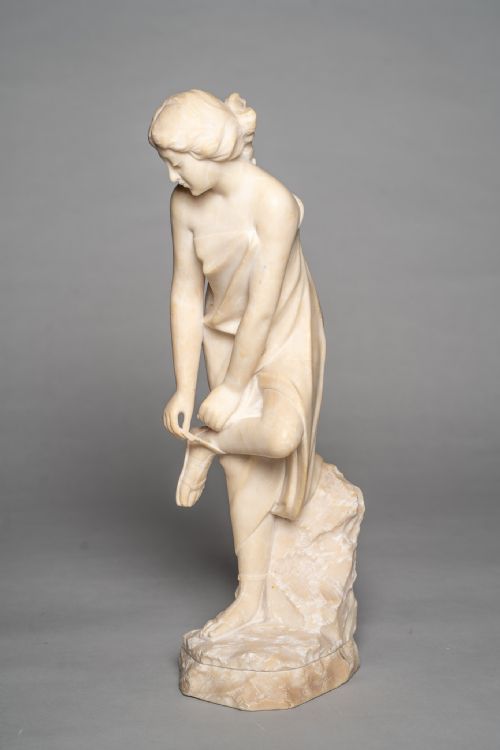
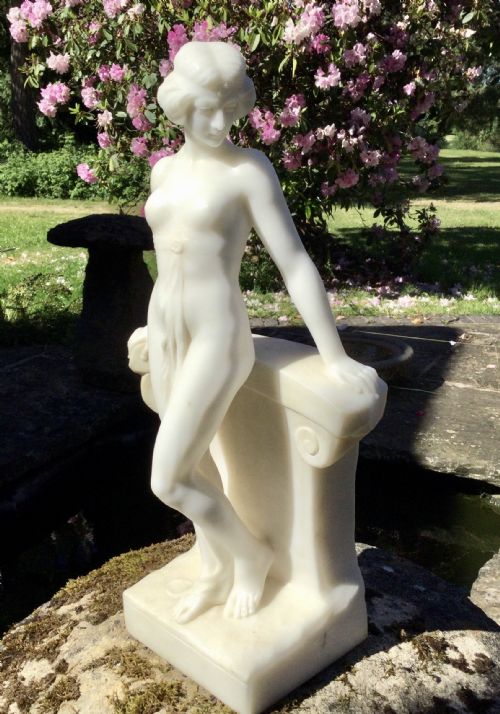
Forms range from intimate cabinet figurines to monumental terracotta and carved alabaster figures standing over forty centimetres tall. Many incorporate natural elements such as flowing water, woven baskets, or gathered wheat sheaves into the female subject's pose.
How They Were Made
Foundries utilised traditional lost-wax casting for bronze and patinated bronze sculptures, often mounting the finished metal figures onto turned marble or alabaster bases. Gilt bronze and silvered metal finishes were also applied to highlight the intricate detail of hair and drapery.
Ceramic and porcelain works relied on elaborate moulding and hand-painting techniques, frequently finished with characteristic soft pastel glazes or iridescent highlights typical of the period. Earthenware manufacturers like Royal Dux and Goldscheider employed specialised porcelain bodies to achieve fine facial expressions and delicate limb articulation.
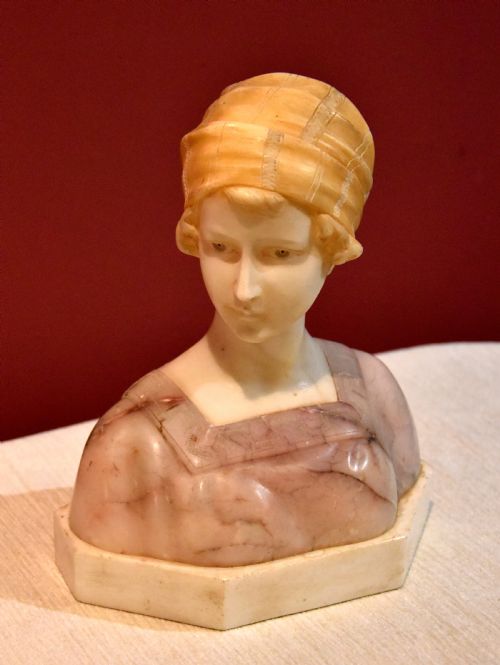
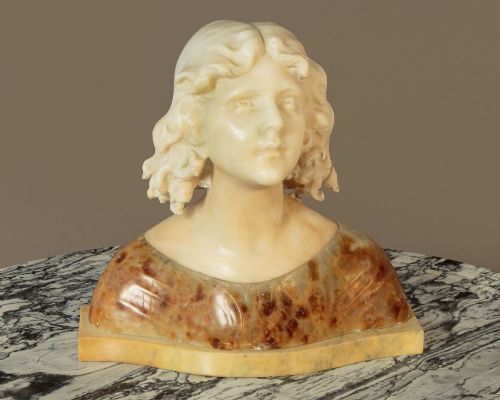
Carved stone pieces required skilled artisans to work blocks of soft Italian alabaster and white marble, exploiting the translucent qualities of the stone for female skin tones. Sculptors combined different materials within a single piece, pairing carved alabaster heads with marble or gilt bronze garments.
Figural forms range from monumental porcelain water nymphs and terracotta maidens to small gilt bronze dancing figures and marble busts.
What Varies in Quality
The distinction between superior and standard pieces rests on the precision of the modelling and the crispness of the cast or carving. Master sculptors achieved fluid motion in hair and drapery that lesser workshops reproduced with stiff or muddy contours.
Material selection significantly influences the standing of a piece, particularly in the grade of marble used for bases and the subtlety of the polychrome painting on porcelain figures. Early factory casts and signed works by recognised artists demonstrate a depth of patination and hand-finishing absent in later commercial reproductions.
Moreau Family·Mathurin Moreau·Emmanuel Villanis·Royal Dux Bohemia·Ernst Wahliss·Georges Van Der Straeten·Goldscheider·Gugielmo Pugi
The Art Nouveau Maiden Figure Glossary
- Patinated bronze
- Bronze treated with chemical solutions to produce a coloured surface layer ranging from deep brown to green. This coating protects the metal and adds tonal depth to the sculpture.
- Spill vase
- A small decorative container designed to hold wooden spills used for lighting candles or fires. In this period, they were frequently sculpted as female figures holding cylindrical vessels.
- Terracotta
- Fired unglazed or glazed clay used for sculptural figures. It permits rapid modelling and captures fine surface detail before the hardening process.
- Centrepiece
- A large decorative table ornament placed in the middle of a dining setting. These often took the form of figurative porcelain or ceramic bowls flanked by female water nymphs.
Art Nouveau Maiden Figure: Frequently Asked Questions
How do I identify a genuine period piece?
Examine the casting marks, artist signatures, and factory stamps pressed into the base or reverse of the sculpture. Period pieces typically show authentic age-related wear to the patina or glaze rather than uniform modern surfaces.
Material composition also offers clues, as genuine turn-of-the-century works utilise period-correct bronze alloys, heavy hard-paste porcelain, or natural alabaster rather than modern synthetic resins.
Where were these figures made?
Production was centred primarily in France, Austria, Bohemia, and Italy, driven by prominent foundries and ceramic manufactories. Paris and Vienna served as the main hubs for bronze casting and luxury art pottery.
Regional styles often reveal the origin, such as the distinctive earthenware and porcelain figures from Bohemian potteries or the refined patinated bronzes from French classical sculptors.
How should I display alabaster and porcelain?
Keep carved alabaster and delicate porcelain away from direct sunlight and damp environments to prevent discoloration and crazing of the glaze. Stable indoor temperatures protect stone from thermal shock.
Position larger figures on sturdy furniture where the base is fully supported, avoiding high-traffic edges where accidental knocks might occur.
What is the difference between bronze and spelter?
Bronze is a heavy, durable alloy of copper and tin that takes a rich patinated finish and holds sharp sculptural detail over centuries. Spelter, a zinc-based alloy, is lighter, softer, and more brittle.
Spelter figures were often painted or bronze-plated to imitate genuine metalwork, and they generally reveal a greyish metal underneath worn areas of the surface coating.