



Turn Teplitz Pottery
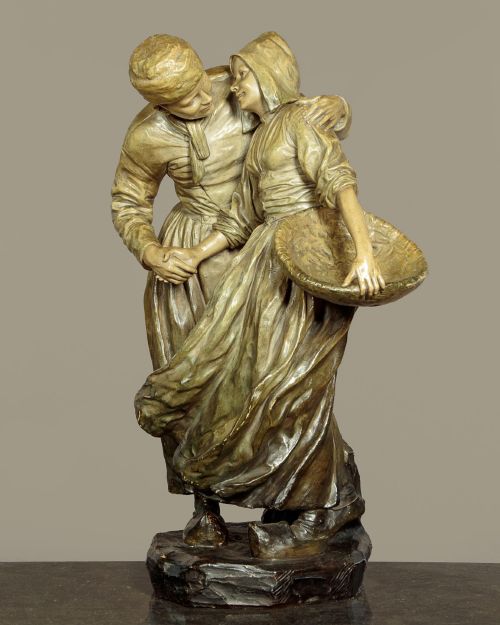
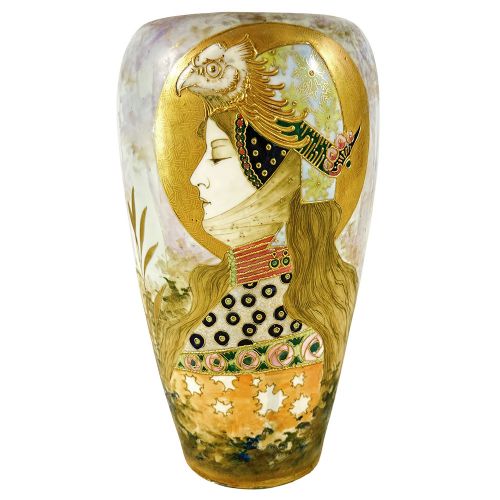
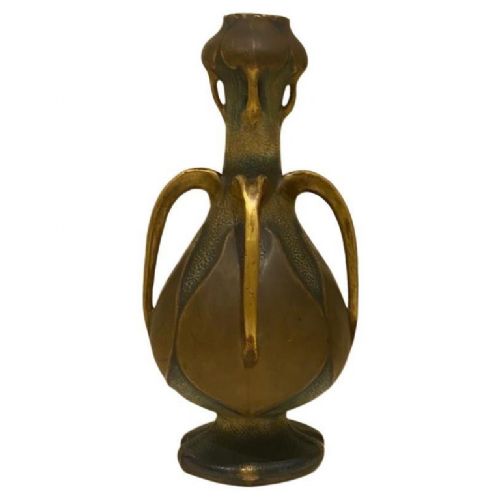
Turn Teplitz pottery brings together striking Art Nouveau earthenware, terracotta and porcelain vases, figurative sculptures and jardinieres that collectors prize for their fluid forms and intricate painted decoration.
Turn Teplitz Pottery
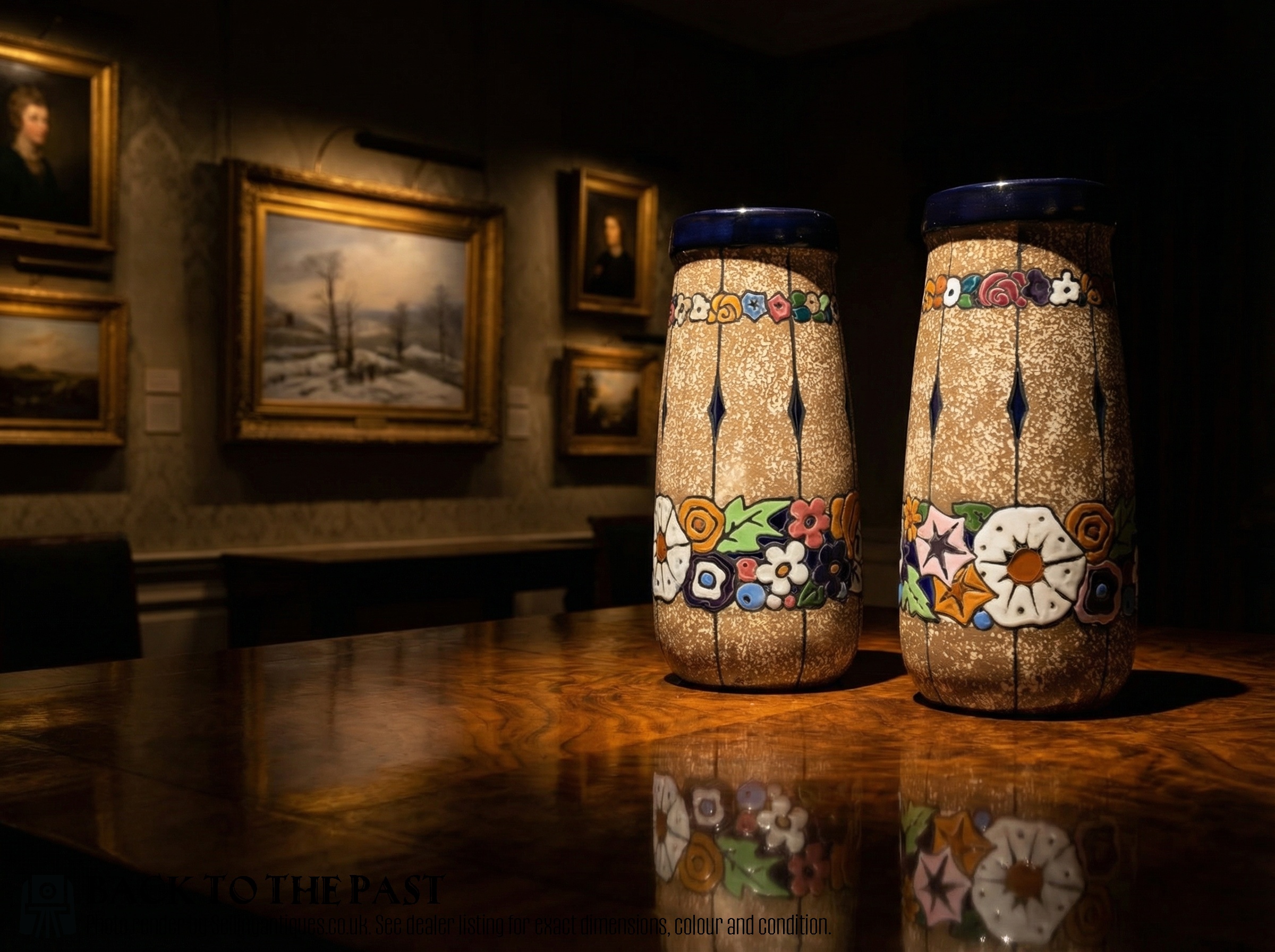
When you search for turn teplitz pottery, you encounter a distinct group of decorative ceramics from Austrian workshops active around the turn of the twentieth century. The selection on this page centres on pieces created during the 19th Century, Edwardian era, 1900 and the 1920s.
The forms span a rich variety of decorative objects, most frequently featuring vases, decorative vases and ewers, spill vases, jardinieres and figurative sculpture. Art Nouveau stands out as the primary style shaping these sculptural and vessels.
You are most likely to meet vibrant earthenware and porcelain works adorned with hand painted details and gilded accents. Many of these pieces reflect the distinctive design ethos associated with Austrian ceramic production of the period.
How they were made
The makers utilised earthenware, terracotta, ceramic and porcelain as the primary foundational bodies for their sculptural and utilitarian forms. Artisans shaped these materials into flowing, organic contours characteristic of the Art Nouveau aesthetic.
Surface decoration relied heavily on careful applications of glaze, enamel and gold leaf to accentuate the relief work and hand painted motifs. Skilled painters added detailed polychrome schemes and gilding to bring depth to the floral and figurative designs.
Listings feature works spanning the nineteenth century, Edwardian period and nineteen-twenties, predominantly showcasing earthenware, terracotta and porcelain forms.
What varies in quality
Quality in these ceramics rests on the crispness of the moulding and the ambition of the original design, particularly in pieces with complex figurative elements or high relief botanical motifs. Finer examples display a superior command of proportion and sculptural detail.
The execution of the hand painted decoration and the richness of the gilding and enamel work also determine distinction. Pieces that retain their original lustre and delicate surface detailing without heavy wear command greater admiration from collectors.
Goldscheider·Nicholas Kannhauser·Reissner, Stellmacher and Kessel·Julius Dressler·Ernst Wahliss·Paul Dachsel
The Turn Teplitz Pottery Glossary
- Art Nouveau
- A decorative style characterised by flowing, organic lines, asymmetrical plant motifs and sinuous forms, prevalent around 1900. It heavily influenced the ceramic output of Austrian potteries.
- Earthenware
- A porous ceramic body fired at lower temperatures, commonly used for vases and jardinieres before being glazed and painted. It allows for thick, sculptural modelling.
- Terracotta
- A reddish-brown unglazed or glazed fired clay used frequently for figurative sculptures and sculptural groups. The material lends itself to rich textural detail.
- Jardiniere
- A large ornamental pot or stand designed to hold plants or floral arrangements, often featuring elaborate relief decoration or painted scenes. These pieces frequently form decorative centerpieces.
- Gilding
- The application of gold leaf or powdered gold to ceramic surfaces to highlight specific design elements. It adds a luminous quality to the finished piece.
Turn Teplitz Pottery: Frequently Asked Questions
What is turn teplitz pottery?
Turn teplitz pottery refers to decorative ceramics produced in the Teplitz region of Bohemia, now part of the Czech Republic, during the late nineteenth and early twentieth centuries. These works are celebrated for their distinctive Art Nouveau designs and skilled craftsmanship.
The pieces encompass a range of decorative forms, including vases, ewers, jardinieres and sculptural figures, created by notable artists and manufacturers working within the Austrian sphere of influence.
How do I identify art nouveau pieces?
Art Nouveau pieces are typically identified by their use of whiplash lines, asymmetrical floral motifs and naturalistic forms inspired by plants and figures. The aesthetic avoids straight lines in favour of graceful, flowing curves.
In ceramics from this era, this translates into sculpted water lilies, female figures with flowing hair, and organic vessel shapes that appear to grow naturally.
Where were these ceramics made?
These ceramics were produced in workshops and potteries located in the Teplitz region of Austro-Hungarian Bohemia. The area became a notable hub for ceramic manufacturing, housing several prominent firms and studios.
Many of the leading designers and modellers of the period established their operations here, exporting their ornate earthenware and porcelain internationally.
How should I display my vase?
Display your vase in a secure location away from direct sunlight and high foot traffic to protect its delicate hand painted surfaces and gilding. Placing it on a sturdy surface allows the intricate three dimensional details to be fully appreciated.
Because many of these vessels feature ornate handles and sculptural relief, ensure they have adequate clearance to prevent accidental knocks.
Can I use these vases for flowers?
While these pieces were originally designed as functional vessels or decorative objects, many collectors prefer to display them empty to preserve their historic interior glazes. Moisture and minerals in fresh water can sometimes affect antique ceramic bodies.
If you do use them for floral displays, consider placing a small glass liner inside rather than filling the ceramic body directly.