

Antique Bohemian Vase
An antique bohemian vase brings brilliant colour, organic curves and master glassmaking from central European furnaces straight to the mantelpiece.
Antique Bohemian Vase
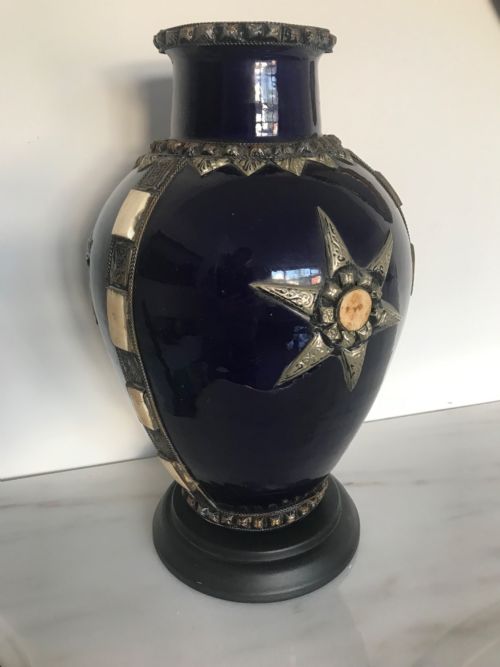
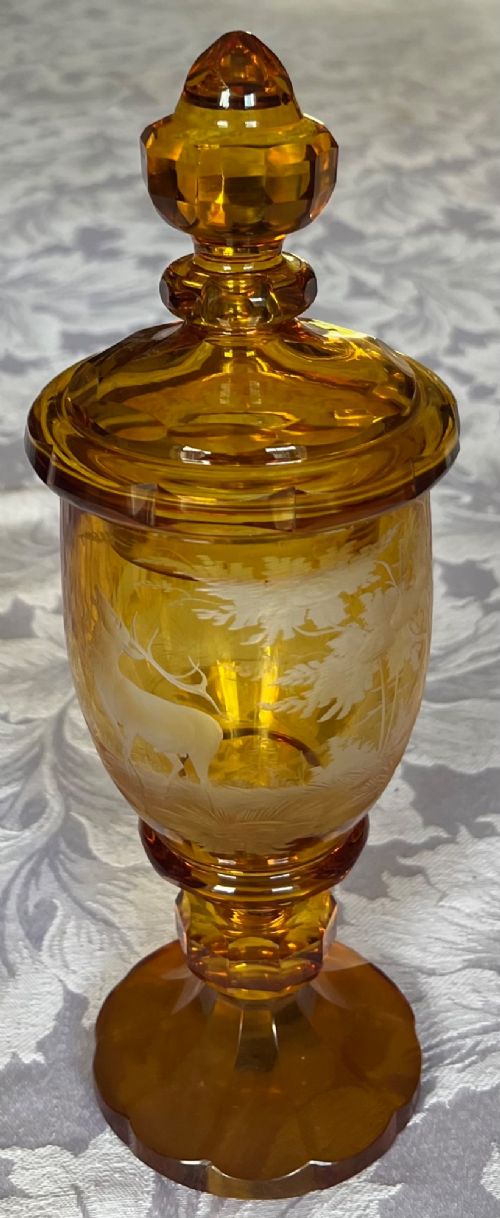
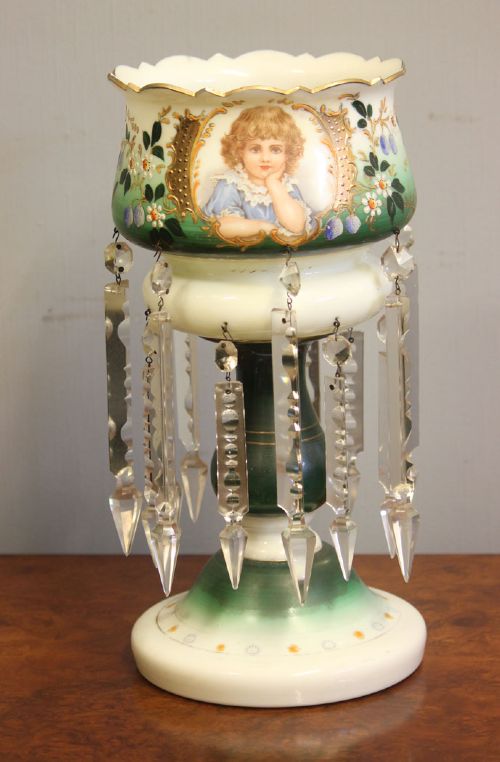
The antique bohemian vase category encompasses diverse vessels shaped by regional glasshouses and potteries spanning the nineteenth and early twentieth centuries. These pieces appear in forms ranging from tall slender glass shafts to large earthenware garniture sets and table mantle lustres.
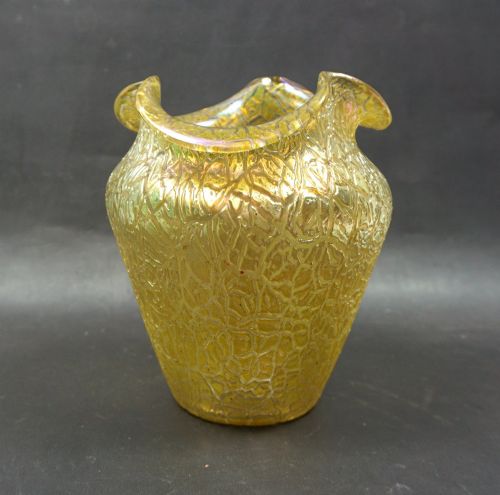
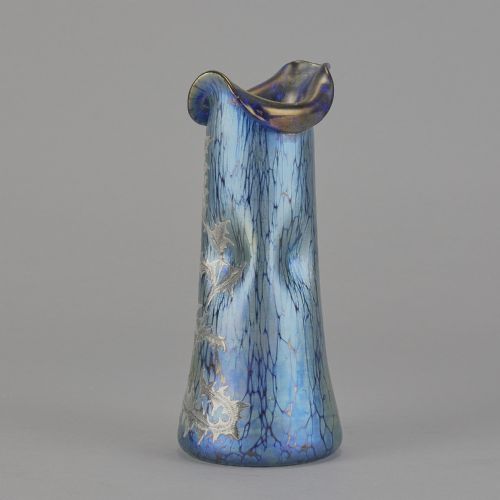
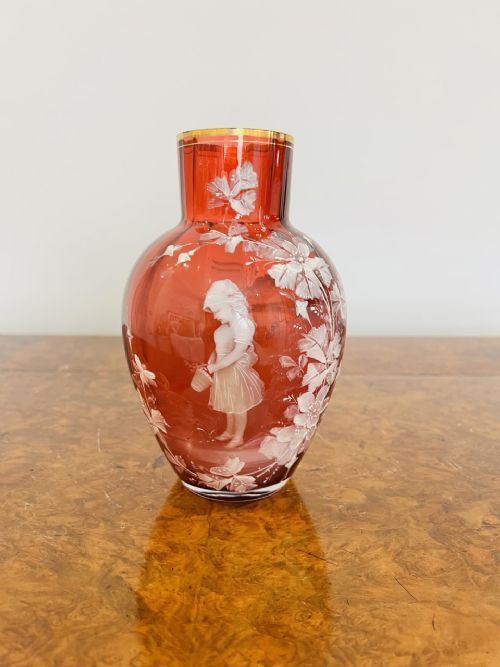
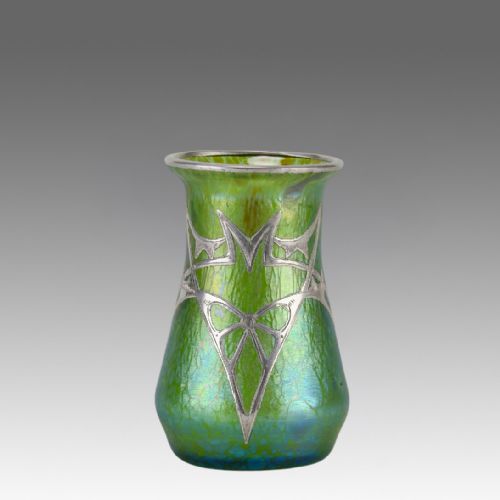
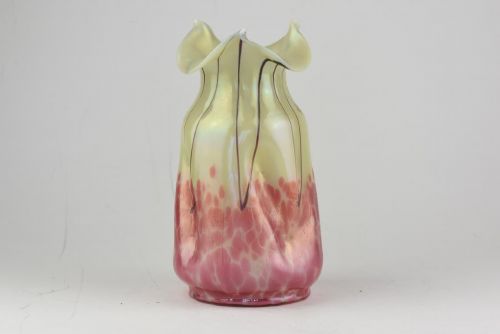
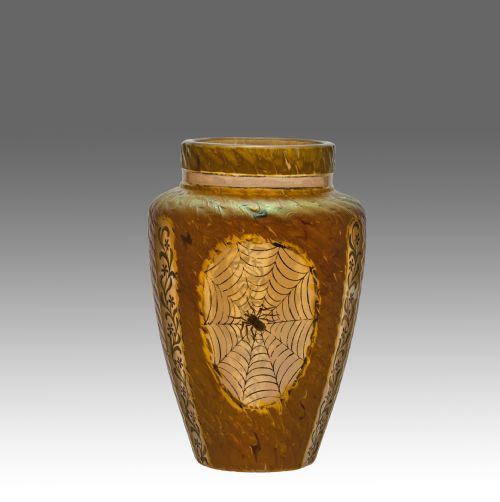
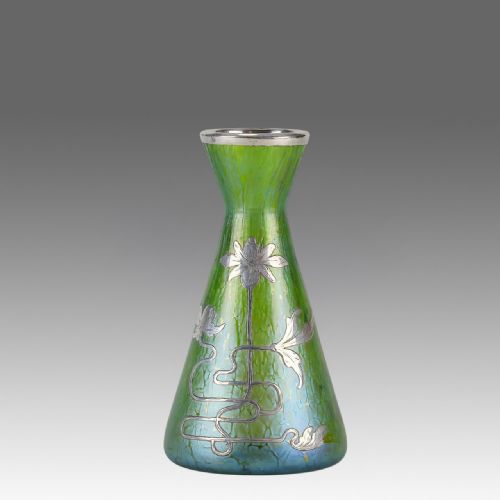
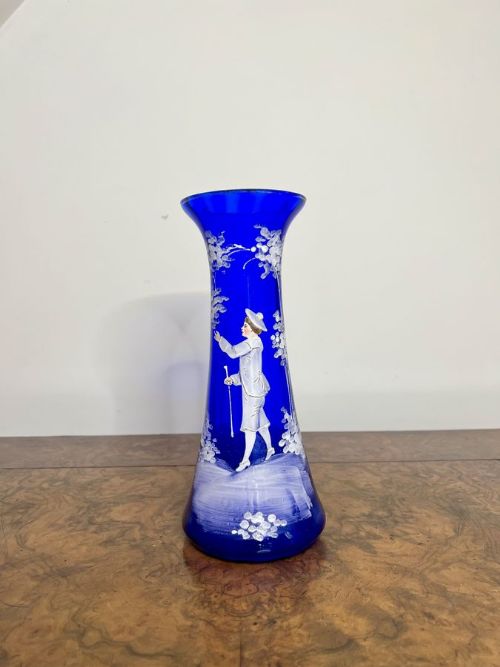
Buyers encounter numerous items created during the height of the Art Nouveau and Victorian periods, often decorated with iridescent surfaces, hand-painted enamel scenes and metallic mounts. Many examples show distinct organic contours, while others display traditional cut-to-clear patterns or layered glass overlays.
Originating largely from workshops in Bohemia and neighbouring Austrian territories, these vessels reflect shifting design movements from historic revival styles through to Jugendstil and Secessionist aesthetics.
How they were made
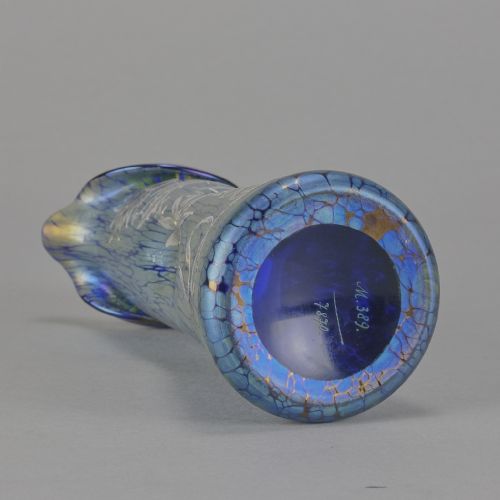
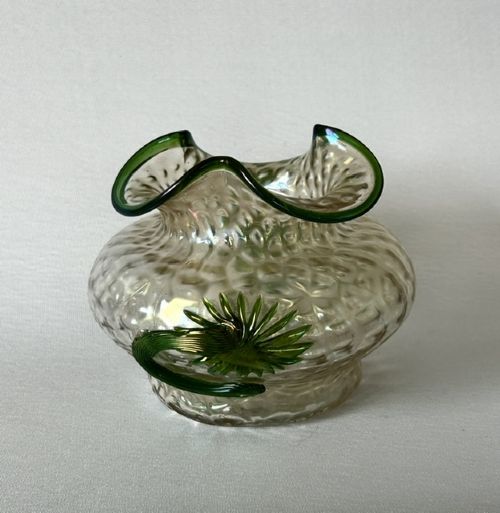
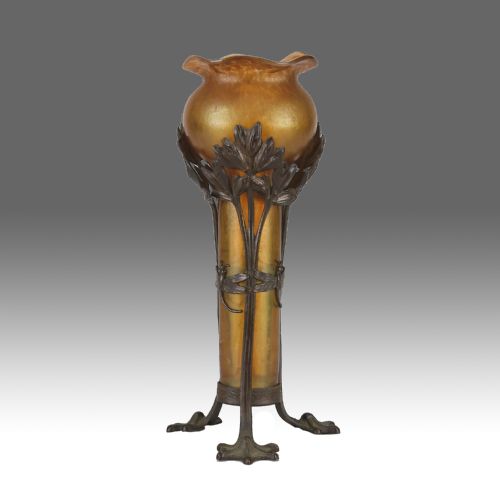
Makers utilised free-blowing and mould-blowing techniques to shape glass bodies, frequently incorporating metallic oxides while molten to achieve characteristic iridescent finishes. Molten glass received physical manipulation through applied trails, twisted handles and metal mounts.
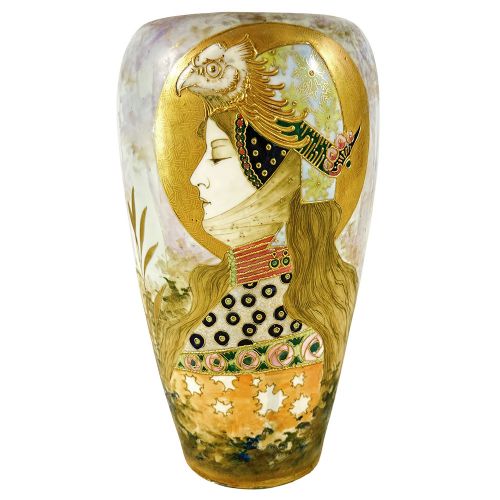
Surface ornamentation relied on meticulous hand-painting using enamel colours, along with the application of gold leaf and gilding to accentuate raised motifs. Earthenware and porcelain alternatives involved moulded clay bodies finished with opaque glazes and decorative metal overlays.
Materials recorded on this page include iridescent glass, earthenware, porcelain, crystal, enamel, and gold leaf.
What varies in quality
Weight, glass thickness and the clarity of cut-to-clear work differentiate exceptional items from simpler moulded vessels. Pieces bearing documented workshop attributions or specific decors demonstrate greater artistic execution.
Loetz Witwe·Kralik Glass·Karl Palda·Nicholas Kannhauser·Reissner Stellmacher and Kessel
The Antique Bohemian Vase Glossary
- Iridescent Glass
- Glass treated with metallic salts while hot to produce a shimmering, rainbow-like surface effect. This technique defined many Art Nouveau creations.
- Lustre
- A decorative glass vessel fitted with hanging crystal prisms designed to catch and reflect candlelight. These items frequently appeared in pairs on nineteenth-century mantelpieces.
- Overlay
- A manufacturing method where a layer of coloured glass is cased over a clear or contrasting inner body and partially cut away. This process creates striking two-tone patterns.
- Enamel
- Opaque vitreous paint applied to the exterior of glass or ceramic vessels and fired to fix the design. Floral scenes and portraits often utilised this medium.
- Gilt
- A thin layer of gold applied to the surface of glass or ceramic forms to highlight raised borders and decorative motifs. It appears extensively on Victorian and Secessionist pieces.
Antique Bohemian Vase: Frequently Asked Questions
Where were these vases made?
Production centred primarily in the historical region of Bohemia, alongside surrounding Austrian manufacturing centres known for skilled glassblowing and ceramic traditions. Local artisans drew upon deep regional expertise passed down through generations.
Many workshops operated near rich forest resources required to fuel large glass furnaces, supplying markets across Europe and beyond.
How do I identify Art Nouveau examples?
Art Nouveau pieces typically feature flowing organic shapes, stylized floral motifs and iridescent glass surfaces that mimic natural phenomena. Look for fluid contours resembling plant stems, insect wings or melting forms.
These designs reject rigid geometric symmetry in favour of dynamic, curving lines popular around the turn of the twentieth century.
What are mantle lustres?
Mantle lustres are decorative glass vessels adorned with cut crystal prisms suspended from the rim. They served as ornamental centrepieces on drawing room mantelpieces during the Victorian era.
When lit by nearby candles or sunlight, the hanging prisms refract light across the room to create a sparkling display.
How should I clean glass items?
Maintain these delicate surfaces by dusting gently with a soft dry cloth rather than using harsh chemical immersion. Avoid submerging items with metallic mounts, gilding or delicate enamel work in water.
Hand washing with lukewarm water and mild soap suits plain glass, provided you dry each piece immediately with a lint-free towel.
What is cut-to-clear glass?
Cut-to-clear involves a vessel made from a clear glass inner layer encased in a solid colour outer layer. Artisans grind away portions of the outer skin to reveal the transparent glass underneath.
This subtractive technique produces sharp geometric or floral patterns with strong visual contrast.