


Antique Ceramic Plant Stand
An antique ceramic plant stand brings sculptural form and botanical display together, offering sturdy ceramics and decorative tile work for interiors.
Antique Ceramic Plant Stand
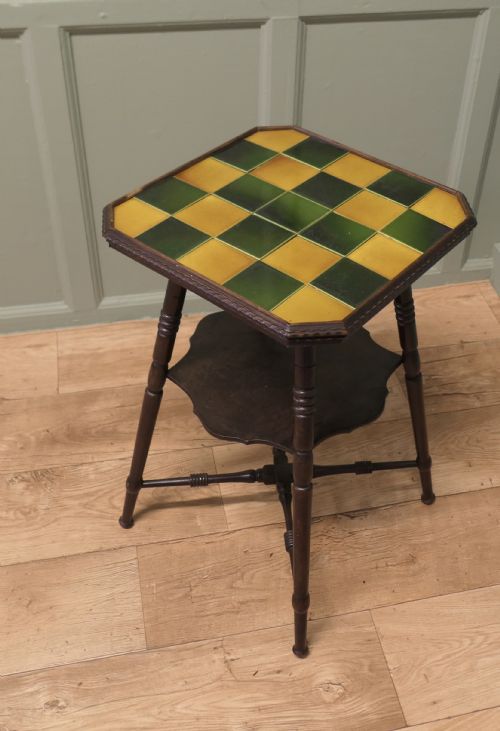
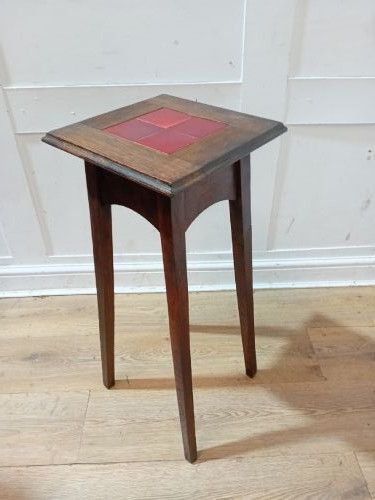
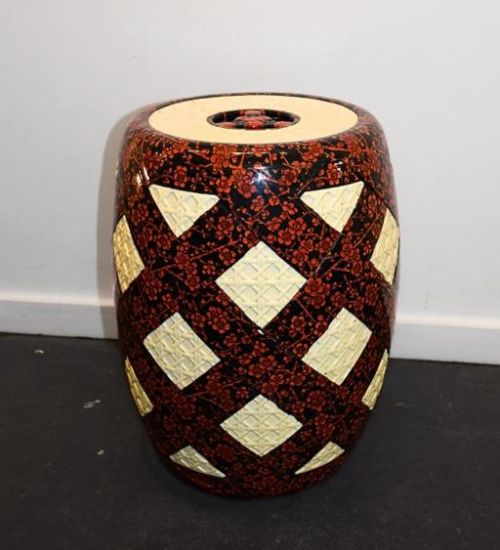
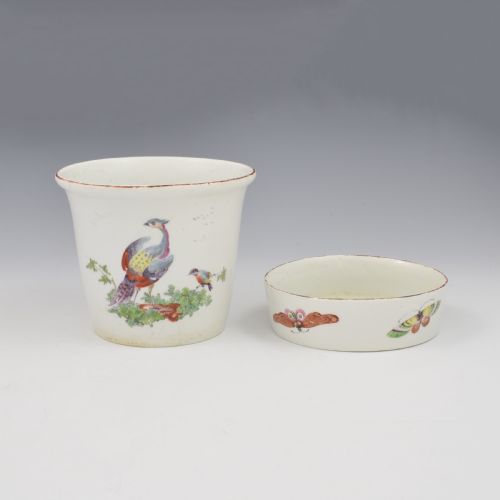
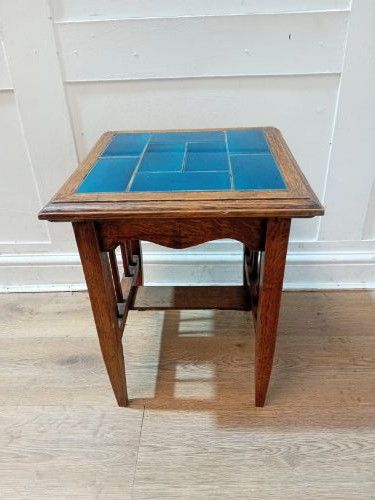
An antique ceramic plant stand serves as an elevated support for greenery and floral displays, appearing in forms such as jardinieres on pedestals, garden seats, and tiled top tables. Buyers looking for an antique ceramic plant stand will find pieces originating from the eighteenth, nineteenth, and early twentieth centuries.
The selections span distinct stylistic movements, including Victorian, Arts and Crafts, Art Nouveau, Aesthetic Movement, and Qing Dynasty aesthetics. Tiled wooden tables and tall pottery pedestals dominate the current range alongside barrel garden seats and multi-piece jardiniere sets.
Makers and potteries from English and continental workshops produced these objects for conservatories, halls, and parlours. Structural formats range from standalone ceramic columns to timber frames inset with glazed decorative tiles.
Materials and methods of construction
Potters utilised earthenware, creamware, ironstone, and porcelain, shaping bodies through throwing or moulding before applying coloured glazes, majolica enamels, or lustre finishes. Many ceramic elements sit within supporting wooden frames made of oak, mahogany, or ebonised timber.
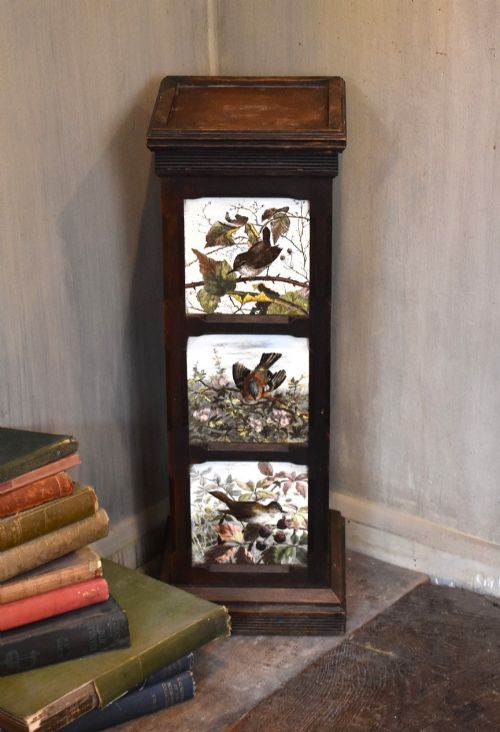
Makers incorporated decorative tiles featuring Art Nouveau motifs, floral patterns, and pictorial scenes into table tops and pedestals. Glazing techniques varied from high-gloss majolica and slip-decorated faience to blue and white underglaze painting.
Antique Ceramic Plant Stand Retail Price Guide 2026
Typical asking prices for ceramic plant stand among the pieces listed under this phrase on Sellingantiques today, from the lower quarter to the upper quarter. They describe what is for sale here now, not the wider market.
Griffin stands and swan jardiniere designs let Victorian ferns rest upon mythical beasts and waterfowl.
Distinctions in quality
The standard of craftsmanship shows in the crispness of moulded relief details, the depth and evenness of coloured glazes, and the stability of combined timber and ceramic structures. Superior examples maintain matching pedestals and bowls that were conceived as a single suite rather than associated later.
The artistic ambition of the ceramic body, from hand-painted Chinese rose medallion porcelain to specialist lustres and slip-decorated faience, separates standard utility items from pieces by notable potteries and designers.
Shapland & Petter·Minton·Burmantofts·Enoch Wood & Sons·Clement Massier·Julius Dressler·Woodlesford·Royal Worcester
The Antique Ceramic Plant Stand Glossary
- Jardiniere
- A large ornamental pot or bowl designed to hold a plant or flower arrangement. These vessels frequently sit atop matching ceramic or wooden pedestals.
- Majolica
- A type of earthenware coated with an opaque tin glaze and painted with brightly coloured metal oxide enamels. This technique produced vivid, glossy surfaces popular during the nineteenth century.
- Cachepot
- An ornamental container used to conceal a plain flowerpot holding a plant. They often feature drainage stands or matching bases.
- Clobbered
- A process where older underglaze blue and white porcelain receives an additional layer of overglaze enamel colours and gilding, usually in a different workshop. This practice altered simpler wares into more decorative items.
- Faience
- Tin-glazed earthenware produced in imitation of Italian majolica wares. Potteries utilised this method for textured and naturalistic garden ornaments.
Antique Ceramic Plant Stand: Frequently Asked Questions
How were antique ceramic plant stands used?
These pieces functioned primarily within Victorian conservatories, drawing rooms, and hallways to display indoor palms, ferns, and flowering plants at elevated heights. Garden seats and barrel forms offered both decorative seating and structural support for potted greenery in sheltered outdoor spaces.
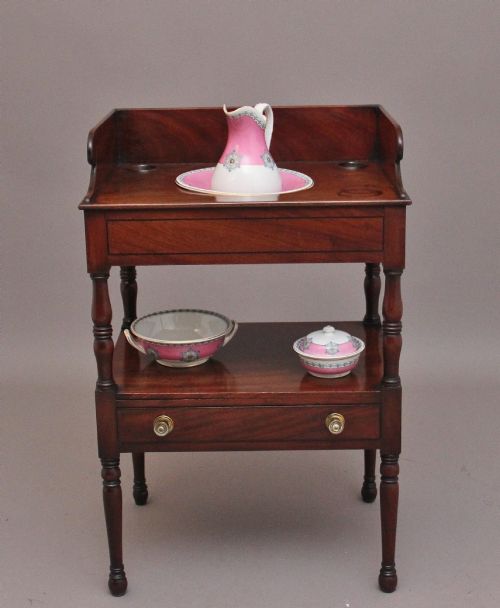
Many examples combined furniture with horticulture by integrating tiled surfaces into small side tables or washstands. This allowed owners to place wet pots directly onto glazed ceramic tiles without damaging surrounding timber.
How do I identify an Art Nouveau plant stand?
Art Nouveau plant stands display characteristic organic motifs, flowing asymmetrical plant stems, and stylised floral patterns on their tiles or moulded ceramic bodies. The glaze colours often lean towards muted greens, deep blues, and lustrous metallic sheens typical of the period around nineteen hundred.
Makers working in this style utilised tall columnar pedestals or incorporated flowing earthenware supports beneath jardinieres. The structural lines avoid rigid symmetry in favour of whiplash curves and naturalistic textures.
Are jardiniere stands and pedestals always sold together?
While many pieces survive as complete matched pairs or sets comprising both the upper bowl and the supporting base, others became separated over time. Listings frequently indicate whether a jardiniere and its pedestal were originally made as one unit or assembled subsequently as an associated pair.
Examining the foot of the bowl and the top of the pedestal often reveals matching maker marks, scale, and glaze consistency that confirm their original pairing. Associated stands remain common due to the fragile nature of tall ceramic columns.