



Brown Pottery Planter
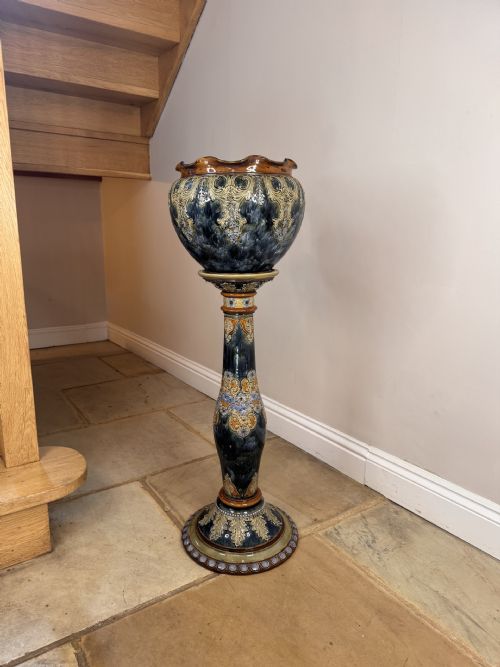
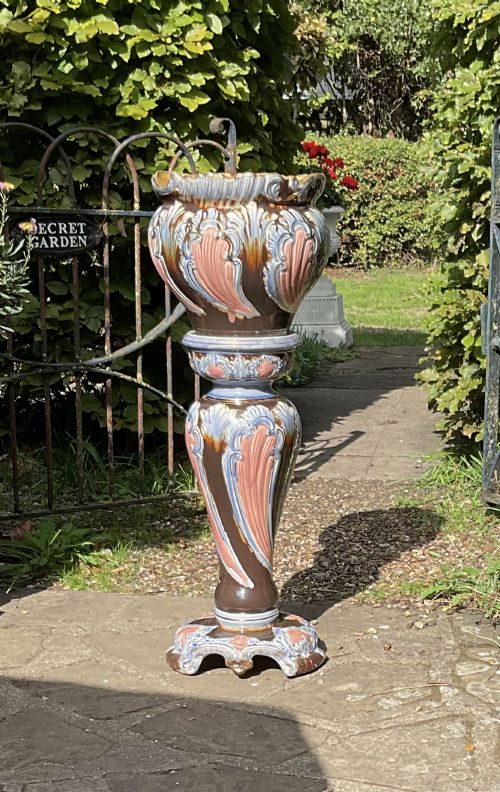
These brown pottery planter examples span the nineteenth century, offering rich earthenware and salt glaze textures for traditional interiors.
Brown Pottery Planter
A brown pottery planter serves to hold potted plants and flowers, often taking the form of a jardiniere or a tall vessel designed for display inside the home or upon a terrace. Most pieces encountered on this page date from the nineteenth century, including the Victorian era, reflecting a period of high craftsmanship in domestic ceramics.
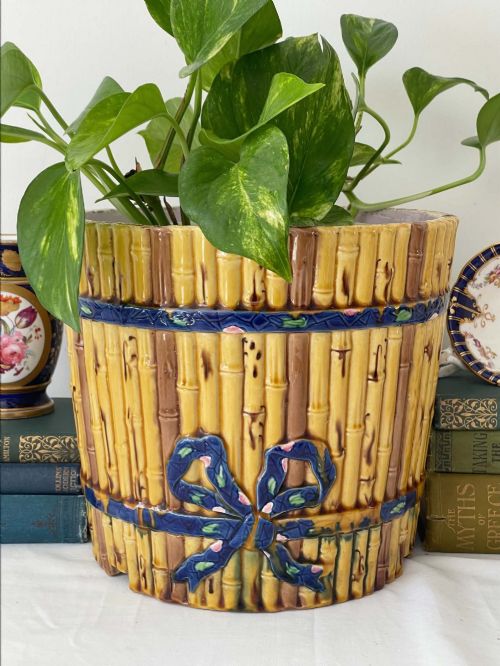
Makers gave these vessels various forms, ranging from naturalistic designs shaped like bamboo or rustic bark to Mediterranean terracotta amphorae and salt glazed stoneware water filters adapted for planting. These items combine practical utility with decorative presence, suiting both period rooms and modern spaces.
How they were made
Potters shaped these vessels using earthenware, stoneware, and terracotta, applying rich glazes to seal the porous clay bodies and provide deep brown colouration. Salt glazing created distinctive textured surfaces on heavy utility wares, while other pieces received glossy coloured leads for ornamental brilliance.
Artisan factories and individual studios utilised techniques such as mould pressing and hand throwing, sometimes incorporating applied brass mounts or double handles. Each method ensured durability alongside the sculptural qualities characteristic of Victorian art pottery.
Brown Pottery Planter Retail Price Guide 2026
Typical asking prices for brown pottery planter among the pieces listed under this phrase on Sellingantiques today, from the lower quarter to the upper quarter. They describe what is for sale here now, not the wider market.
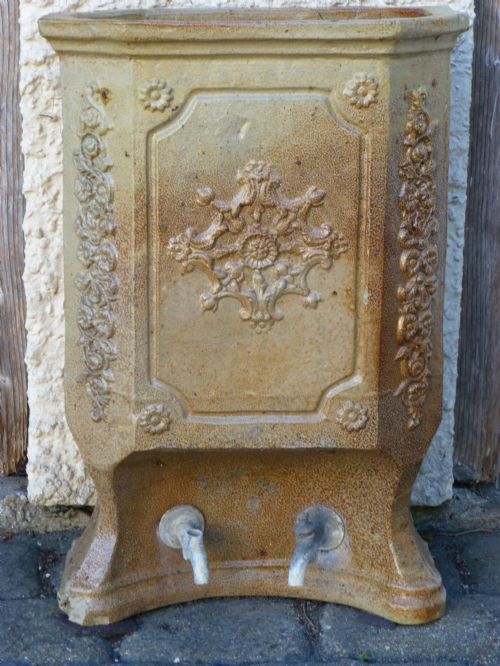
A French salt glazed water filter repurposed as a planter proves that nineteenth century utility could double as sculpture.
What varies in quality
Quality in a brown pottery planter rests upon the crispness of the moulded relief and the depth of the glaze firing. Superior examples display carefully controlled colour runs and sharp botanical or architectural detailing without blurring.
The reputation of the pottery or studio also influences standing, with named works by prominent Victorian manufacturers commanding greater attention than unassigned pieces. Preservation of the original glazed surface without extensive restoration marks the boundary between standard utility items and high art pottery.
Minton·Doulton Burslem·Doulton Lambeth·Julius Dressler·Linthorpe Pottery
The Brown Pottery Planter Glossary
- Jardiniere
- An ornamental ceramic pot or stand designed to hold growing plants indoors. These vessels often feature decorative feet or handles.
- Majolica
- A type of earthenware covered with an opaque tin glaze and painted with metallic oxide colours. It gained immense popularity during the Victorian period for vibrant floral wares.
- Salt Glaze
- A pottery finish created by throwing common salt into the kiln during high temperature firing. This produces a textured, slightly pitted surface resembling orange peel.
- Terracotta
- Unglazed or fired porous clay of a brownish red colour. It is frequently utilised for Mediterranean amphorae and garden vessels.
- Stoneware
- A robust, vitrified pottery body fired at high temperatures until non porous. It resists moisture and forms heavy utilitarian containers.
Brown Pottery Planter: Frequently Asked Questions
What is a brown pottery planter used for?
These vessels primarily function as decorative containers for indoor house plants and floral arrangements. They protect surfaces while adding a classical or rustic aesthetic to a room.
Historically, some forms served alternative domestic purposes, such as water filtration, before finding new life as planters.
How do I care for nineteenth century pottery?
Keep these items away from extreme temperature shifts and protect the antique glaze by using a plastic liner inside the vessel. This prevents moisture from seeping into porous earthenware bodies.
Dust the surface gently with a soft dry cloth and avoid harsh chemical cleaners that might damage the historical finish.
Are these planters frost proof?
Nineteenth century earthenware and Majolica pieces are generally unsuited for freezing outdoor conditions. Winter frost can cause the porous clay or glaze to crack and flake.
Protect your investment by keeping these pots indoors or within a sheltered, frost free conservatory during cold weather.
How can I tell the age of a planter?
Examine the base for factory stamps, impressed registration marks, or handwritten artist ciphers. These details often point to specific Victorian production years.
Consider the manufacturing technique and glaze characteristics, as nineteenth century pieces display distinct weight and material compositions compared to modern reproductions.