


Victorian Earthenware Planter
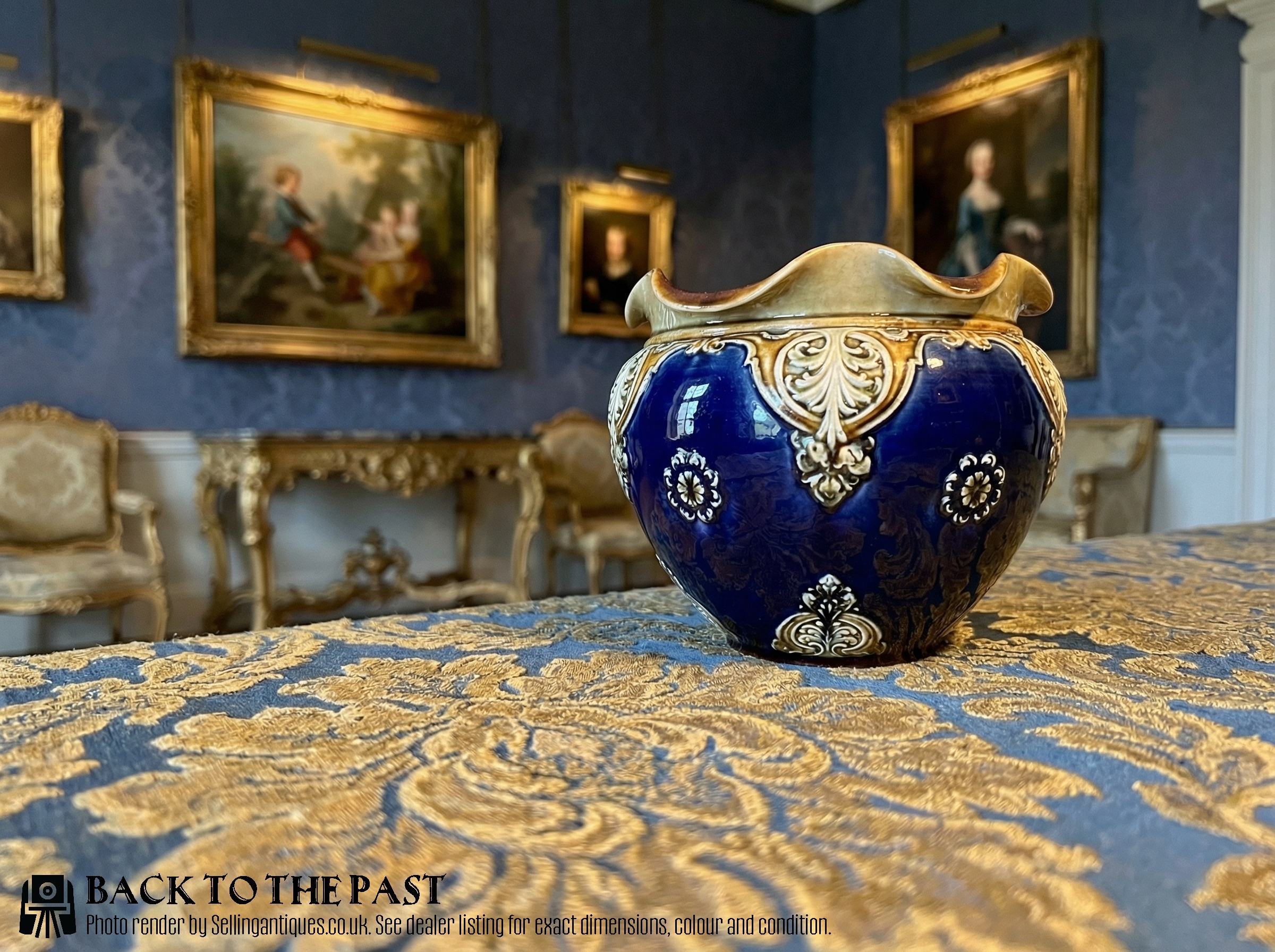
A victorian earthenware planter brings organic form and rich glaze into a room, holding plants with sturdy nineteenth-century presence.
Victorian Earthenware Planter
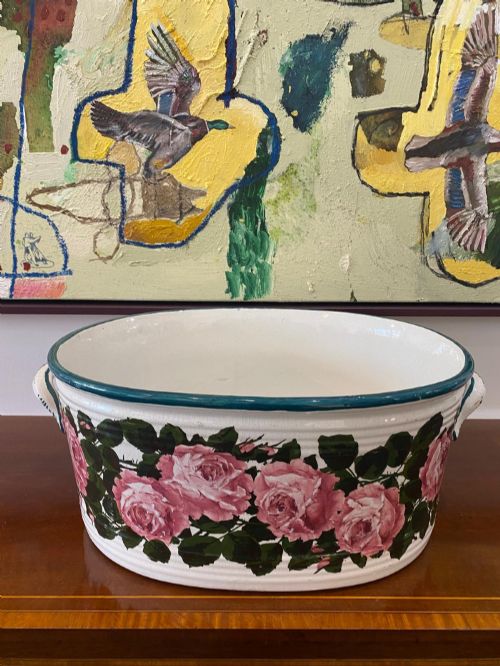
A victorian earthenware planter encompasses vessels originally made to display greenery, alongside related forms such as jardinieres, footbaths, and wall pockets. These objects emerge from nineteenth-century domestic spaces, taking shapes that range from rustic vernacular designs to ornate majolica and art pottery.
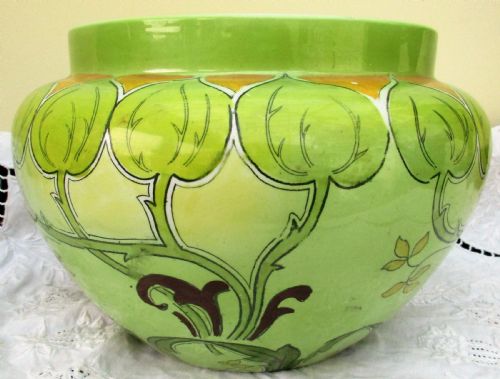
The selections on this page lean heavily toward glazed earthenware and terracotta jardinieres, often paired with matching pedestals. Buyers encounter pieces spanning the Victorian era through to Edwardian adaptations, reflecting diverse aesthetic movements from naturalism to Art Nouveau.
How they were made
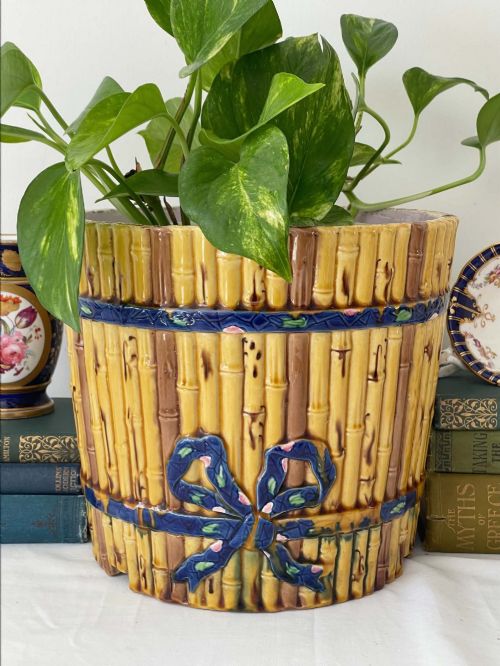
Potters shaped these vessels using earthenware and terracotta bodies, frequently applying thick coloured glazes to achieve glossy, protective finishes. Techniques varied from slip casting and hand painting to intricate moulding that produced relief decoration like bamboo stalks, rockwork, and naturalistic flora.
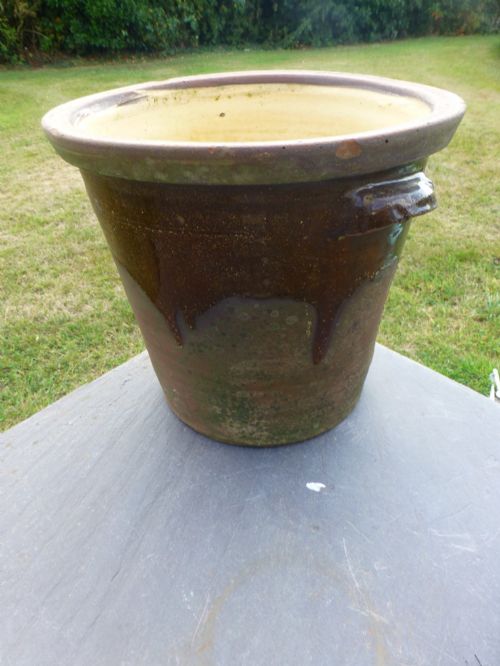
Many leading potteries combined clay bodies with specialised firing methods, resulting in Majolica, lustre glazes, and jasperware finishes. Artisans also turned to stoneware for heavier utility vessels, ensuring structural durability alongside decorative appeal.
Victorian Earthenware Planter Retail Price Guide 2026
Typical asking prices for victorian earthenware planter among the pieces listed under this phrase on Sellingantiques today, from the lower quarter to the upper quarter. They describe what is for sale here now, not the wider market.
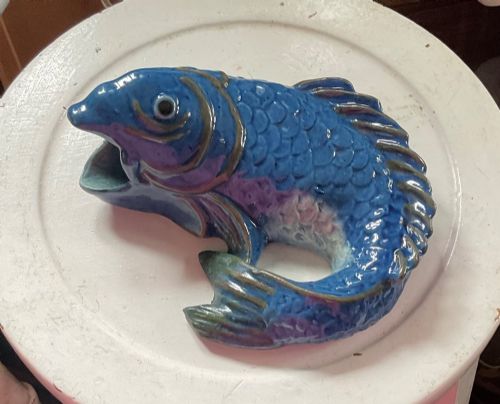
Ceramic cats peer out from wall pockets while griffins support heavy jardinieres.
What varies in quality
Quality in a victorian earthenware planter rests upon the crispness of the moulded detail and the richness of the glaze application. Pieces decorated by named artists or produced by notable potteries display superior handling of colour and depth.
The presence of matching stands, complex figural supports, or unusual forms like double handles elevates certain examples. Finer specimens maintain strong visual balance, where the weight of the ceramic body complements the complexity of the surface ornamentation.
Wemyss·Minton·W.A. Adderley·Lauder Pottery·Doulton Burslem·Doulton Lambeth·Clement Massier·Royal Doulton·Royal Worcester·Julius Dressler·George Jones·William Adams And Sons·Linthorpe Pottery
The Victorian Earthenware Planter Glossary
- Jardiniere
- An ornamental ceramic pot or stand designed to hold growing plants or flowers. These vessels often sit on matching pedestals or directly on furniture surfaces.
- Majolica
- A type of earthenware coated in an opaque tin glaze and painted with metallic oxide colours. This technique yields vibrant, glossy surfaces popular during the nineteenth century.
- Terracotta
- Unglazed or glazed fired clay of a brownish-red colour. It provides a porous, robust structure suitable for heavy planters and garden vessels.
- Wall Pocket
- A flat-backed ceramic container meant to hang upon a vertical surface. They frequently depict animals, natural motifs, or architectural elements.
- Footbath
- A large ceramic basin originally utilised for medicinal or personal bathing. In modern contexts, collectors repurpose these deep vessels as substantial planters.
Victorian Earthenware Planter: Frequently Asked Questions
What is a jardiniere?
A jardiniere is a large decorative pot designed to hold a living plant, usually displayed inside the home on a table, floor, or dedicated pedestal.
Unlike standard flowerpots, these vessels prioritize ornate exterior decoration, often featuring coloured glazes, moulded reliefs, or hand-painted botanical motifs.
How do I use an antique footbath?
Historic footbaths provide deep, wide basins that accommodate multiple potted plants or large floral arrangements in domestic interiors.
Their substantial capacity makes them ideal as floor-standing centrepieces filled with trailing foliage or seasonal greenery.
What distinguishes Majolica glaze?
Majolica uses a lead or tin glaze infused with metallic oxides, fired at high temperatures to produce rich greens, blues, browns, and purples.
This technique creates a brilliant, glossy surface that accentuates moulded relief designs like bamboo, leaves, and rockwork.
Are wall pockets meant for plants?
Wall pockets serve as hanging containers designed for dried flowers, trailing plants, or small arrangements against vertical surfaces.
Potters frequently shaped these hanging vessels into birds, cats, or stylized geometric forms during the late nineteenth century.