
Antique English China Dish
These antique English china dish examples span centuries of domestic service and cabinet display, offering collectors refined porcelain bodies and handpainted botanical or Imari patterns.
Antique English China Dish
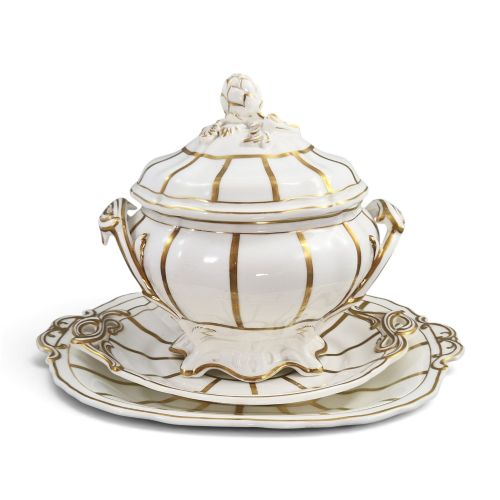
An antique English china dish encompasses forms intended for the dining table and the drawing-room cabinet alike, ranging from sauce tureens and serving dishes to decorative plates and pickle dishes. When exploring this selection, a buyer encounters pieces originating across the Georgian, Regency, Victorian, and later periods, reflecting the shifting tastes of English households.
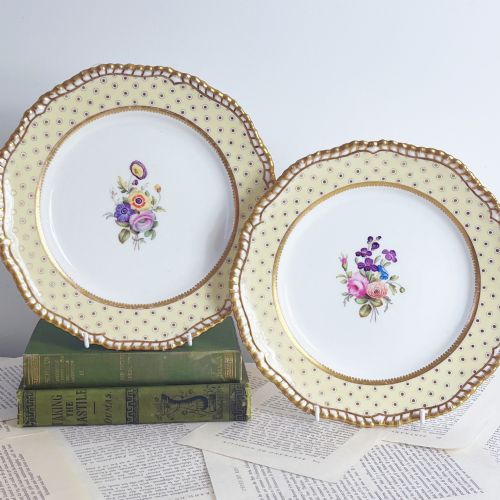
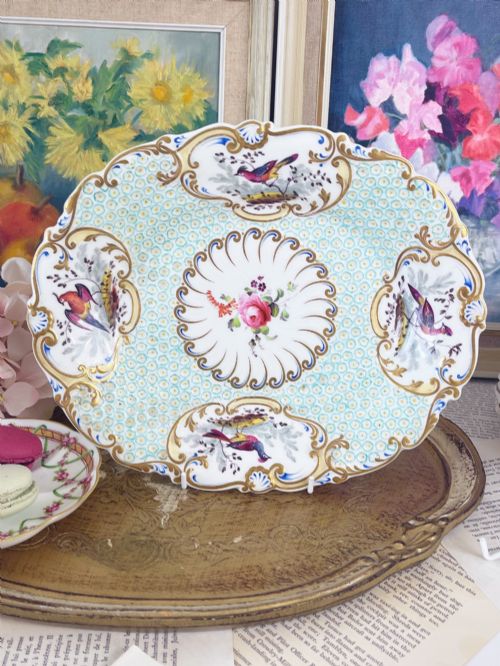
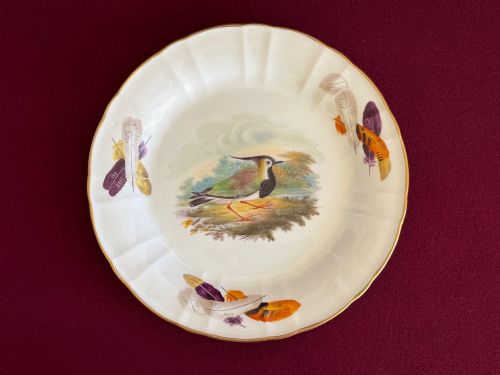
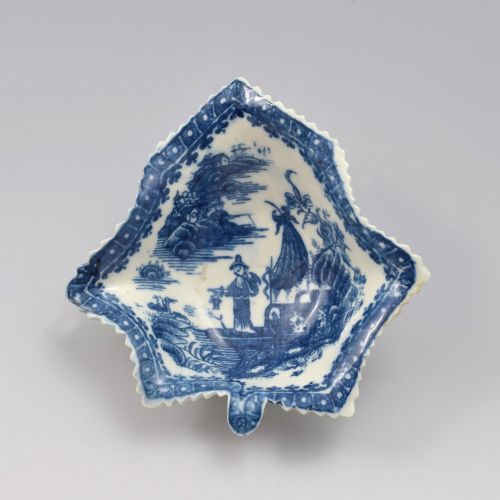
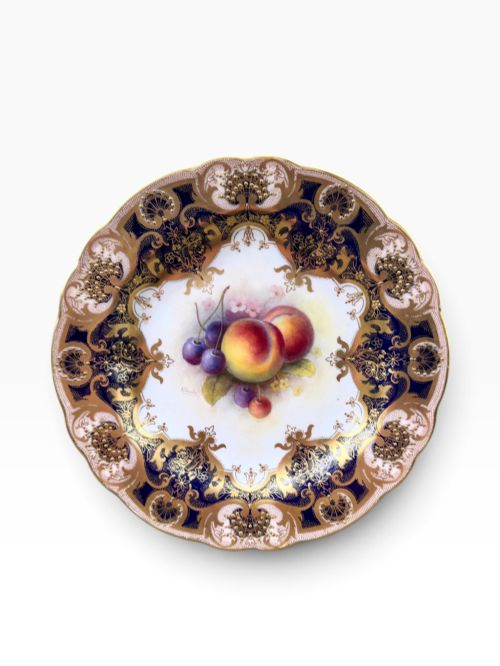
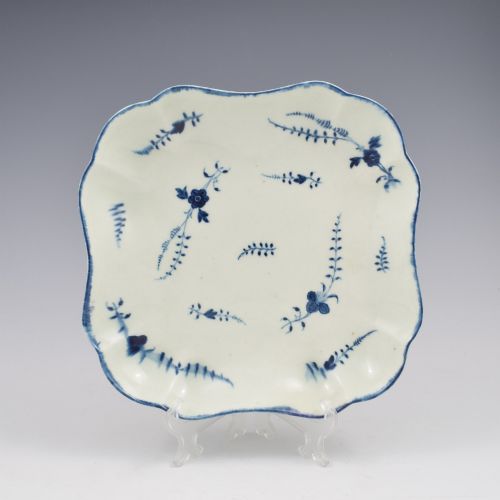
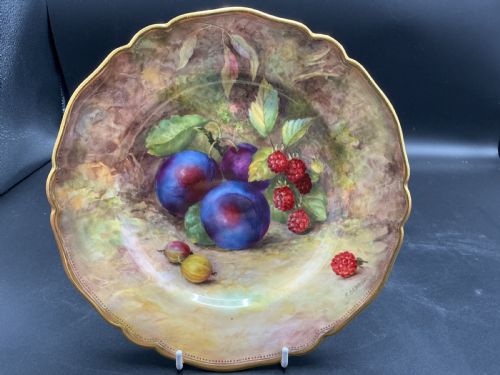
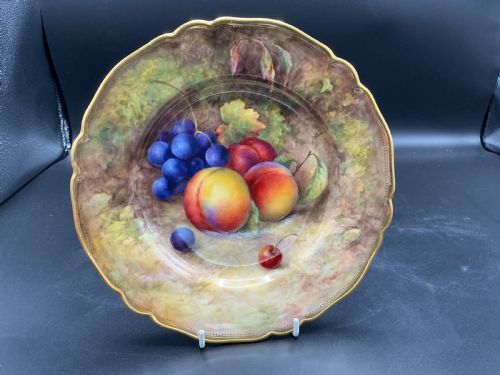
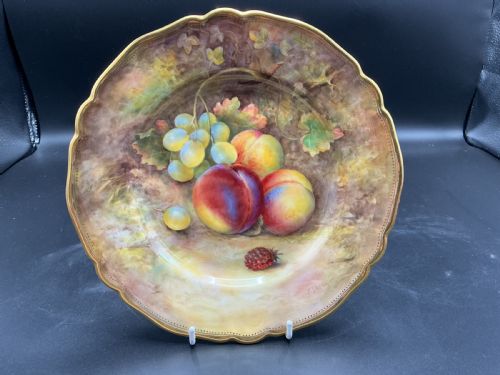
The assortment on this page draws heavily from renowned domestic factories and potteries, offering everything from delicate Caughley pickle dishes to robust Mason's and Davenport ironstone comports. Cabinet plates painted with botanical or avian studies sit alongside transfer-printed blue and white service pieces, demonstrating the broad utility of ceramic wares in historic interiors.
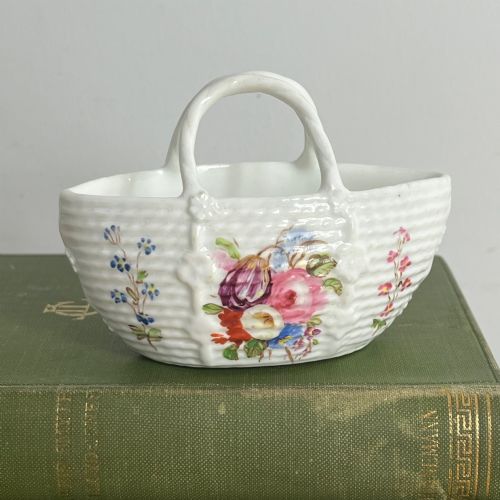
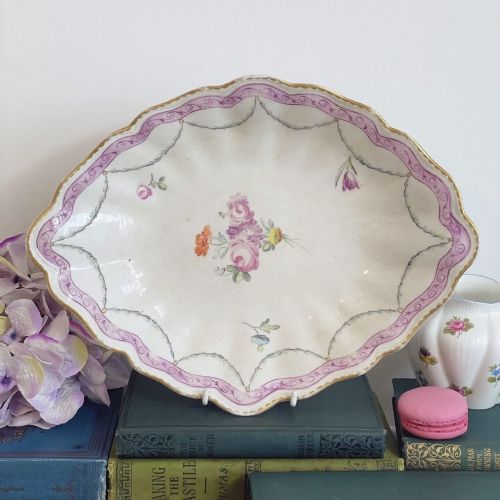
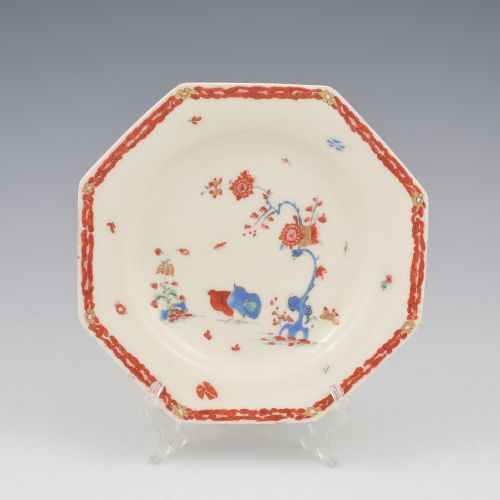
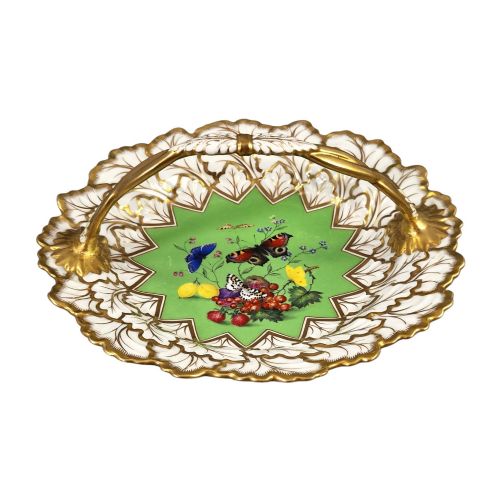
Form follows function across these examples, with shapes tailored to specific culinary tasks such as keeping food warm with hot-water reservoirs or presenting fruit and dessert courses. Buyers often meet octagonal plates, leaf-shaped dishes, and square dessert forms that reveal the distinct design vocabulary of English ceramic production.
How they were made
Makers utilised porcelain, bone china, and ironstone bodies, shaping them on wheels, in moulds, or through pressing techniques to achieve specific forms like leaf-shaped pickle dishes and octagonal plates. Glazes were applied and fired to create smooth protective surfaces, often enriched with gold leaf, gilding, and intricate enamel pigments.
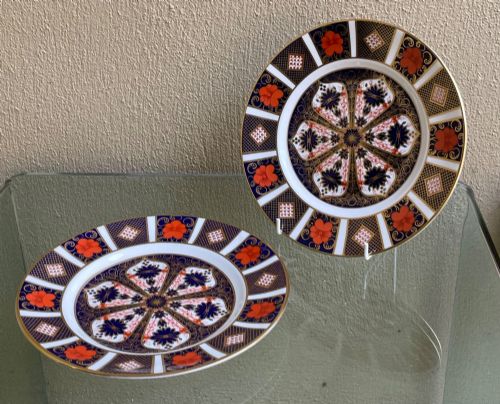
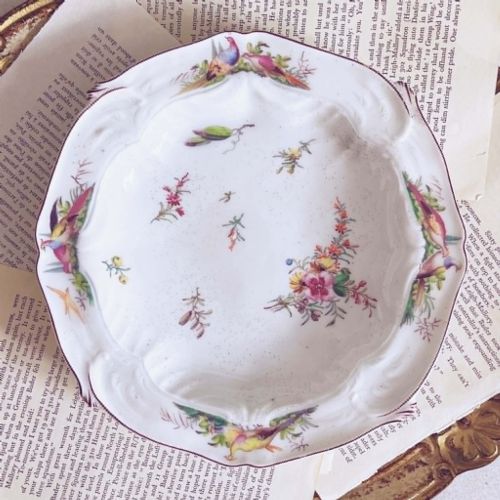
Handpainting formed a central pillar of production, with artists applying polychrome enamels to depict birds, flowers, and Japanese-inspired Imari motifs. Transfer-printing allowed factories to transfer complex blue and white designs onto earthenware and ironstone surfaces with remarkable consistency.
Antique English China Dish Retail Price Guide 2026
Typical asking prices for english china dish among the pieces listed under this phrase on Sellingantiques today, from the lower quarter to the upper quarter. They describe what is for sale here now, not the wider market.
Listings feature porcelain, bone china, and ironstone bodies decorated with gold leaf, enamel, and transfer-printed motifs across several centuries.
What varies in quality
The refinement of the ceramic body and the precision of the glaze set different tiers of production apart, distinguishing delicate translucent porcelain from heavier ironstone utilities. Early soft-paste bodies display unique light-transmission properties compared to later bone china or dense stoneware compositions.
Artistic execution in the handpainting elevates certain cabinet plates and dessert dishes, particularly when signed by notable factory artists working with elaborate fruit or bird subjects. The crispness of transfer-printing and the application of gold leaf further divide standard domestic items from elite exhibition pieces.
Royal Crown Derby·Spode·Flight Barr And Barr·H And R Daniel·Wedgwood·Caughley·Derby·Chelsea·Bow·Royal Worcester·Davenport·Dr Wall Worcester·Chamberlains Worcester·Minton·Royal Doulton·John Davenport·Coalport·Copeland And Garrett·New Hall
The Antique English China Dish Glossary
- Bone china
- A type of porcelain incorporating animal bone ash, producing a strong, milky-white body that allows for thinner vessel walls.
- Ironstone
- A durable, heavy earthenware developed in England as a tougher alternative to porcelain, frequently decorated with Japan patterns.
- Imari style
- A decorative scheme inspired by Japanese export wares, typically employing deep cobalt blue, iron red, and gilding.
- Comport
- A raised dish or bowl used for serving fruit or dessert, standing on a short foot or pedestal base.
- Transfer printing
- A method of applying complex decorative patterns to ceramic surfaces by transferring ink from an engraved copper plate through tissue paper.
Antique English China Dish: Frequently Asked Questions
How do I care for antique china dishes?
Wash these ceramic pieces gently by hand using lukewarm water and a mild detergent, avoiding soaking or mechanical dishwashers that can damage historic glazes. Keep them away from sudden temperature extremes to protect the underlying ceramic body from thermal shock.
Store them securely on stable shelving or use padded dividers between stacked plates to prevent surface scratching. Proper handling preserves both the fragile enamel pigments and the delicate gold leaf applied centuries ago.
Can I use these dishes for serving food?
Many historic dishes were designed specifically for culinary service, but older glazes from earlier centuries may contain lead or other substances unsuited for modern consumption. Careful consideration of a piece's material and condition helps determine whether it serves at the table or remains strictly for display.
Sturdier ironstone and later bone china pieces generally handle light use better than delicate soft-paste porcelain. Inspecting the surface for wear ensures that serving food will not compromise historic painted or gilded details.
How do I identify the period of a dish?
Examine the base for factory marks, pattern numbers, or painted symbols that connect the piece to documented production dates and specific potteries. Stylistic clues such as Regency shapes or Aesthetic movement motifs provide reliable indicators of a piece's age.
The weight and translucency of the ceramic body also guide dating, as soft-paste porcelain feels lighter and transmits light differently than Victorian ironstone or bone china. Comparing pieces against documented factory timelines clarifies their era of manufacture.
What is the difference between porcelain and ironstone?
Porcelain is a vitrified, translucent ceramic fired at high temperatures, prized for its delicate appearance and refined finish. Ironstone is a dense, opaque earthenware engineered for durability and heavy daily use in historic households.
While porcelain items like cabinet plates focus on visual artistry and fine handpainting, ironstone pieces often support robust serving functions with thick walls and transfer-printed designs. Both materials represent distinct traditions within English ceramic history.