
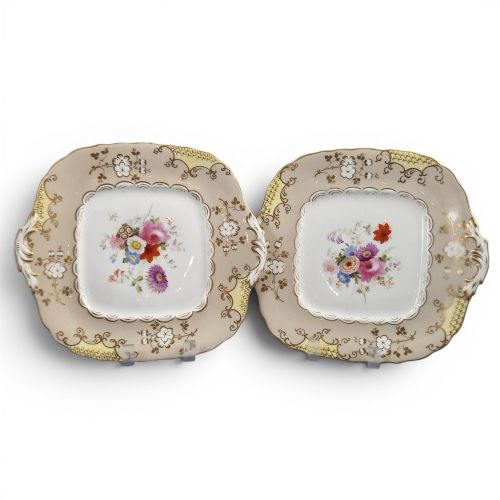


Coalport Porcelain Plate
These coalport porcelain plate examples are finely painted English ceramics that reward close inspection and bring historic artistry straight to the dining table.
Coalport Porcelain Plate
A coalport porcelain plate selection encompasses diverse utilitarian and decorative table formats ranging from Georgian botanical serving dishes to late Victorian cabinet display pieces. Buyers frequently encounter nineteenth century dessert dishes, soup plates, and dinner service components bearing hand painted scenes or rich gilt accents.
The surviving archive demonstrates production spanning from the Georgian and Regency eras through the Victorian period up to the early twentieth century. Pieces emerge in varied functional configurations, including specialised supper sets on lazy susans and commemorative exhibition wares created for international audiences.
Materials and construction
Makers utilised refined porcelain and bone china as the primary body for these vessels, providing a smooth white canvas for elaborate surface decoration. Artisans applied vibrant enamel pigments alongside gold leaf and heavy gilding to highlight intricate motifs and hand painted topographical views.
Decoration relied heavily upon skilled brushwork executed by named painters, integrating botanical studies, heraldic crests, and landscape vistas into the ceramic body. Firing techniques achieved stable vitrification across diverse forms, from robust dinner services to delicate cabinet plates.
Distinctions in execution
Quality rests upon the precision of the hand painting and the ambition of the original commission, separating standard service wares from exhibition pieces. Superior examples feature detailed topographical artwork, identified artist attributions, or provenance linked to specific noble patrons and historic households.
The crispness of the gilt borders and the preservation of the enamel colours dictate the visual impact of each piece. Intricate patterns requiring multiple kiln firings demonstrate greater technical mastery by the workshop than simpler transfer printed or monochrome designs.
John Rose·Tom Keeling·Thomas Dickson
The Coalport Porcelain Plate Glossary
- Bone china
- A type of soft-paste porcelain containing bone ash, offering enhanced durability and a warm translucent appearance. This material formed the basis for many refined English tableware services.
- Cabinet plate
- A decorative ceramic dish intended primarily for display in a cabinet or on a wall rather than for dining use. These items often feature elaborate hand painted scenes or commemorative subjects.
- Gilt
- A thin layer of gold applied to the surface of the ceramic to accent rims, handles, and borders. High quality gilding retains its burnished lustre through careful handling.
- Imari pattern
- A decorative style inspired by Japanese export wares, utilising a distinctive palette of underglaze blue, iron red, and gilt. This aesthetic appeared frequently on nineteenth century dessert services.
Coalport Porcelain Plate: Frequently Asked Questions
How do I date a coalport porcelain plate?
Dating relies upon stylistic markers, body composition, and recorded patterns from specific periods such as the Georgian, Regency, or Victorian eras. Hand written inscriptions on the reverse or documented artist attributions often provide narrower chronological windows.
Comparison with archive examples helps confirm whether a piece belongs to early nineteenth century dessert services or later exhibition wares produced toward the end of the century.
Were these plates used for daily dining?
Many items functioned as part of large dinner or dessert services intended for formal dining and social entertaining. Robust soup plates and dinner plates saw active service in domestic households.
Conversely, highly decorated cabinet plates and commemorative exhibition pieces served primarily as visual displays of wealth and refinement rather than practical tableware.
What is the difference between a dessert dish and a dinner plate?
Dessert dishes often appeared in varied geometric or shaped forms suited to presenting sweet courses, fruit, or confectionery during formal meals. Dinner plates typically followed standardised circular dimensions designed for savory courses.
Dessert wares also frequently featured more exuberant hand painted botanical or topographical decoration than standard utilitarian dinner plates.
How should I display antique porcelain plates?
Display requires secure wall hangers or stable cabinet stands designed specifically for heavy ceramic and porcelain items. Placing pieces away from direct sunlight preserves the vibrancy of the enamel colours and gold leaf.
Gentle dusting with a soft dry cloth maintains the surface without risking abrasion to the historic glaze or delicate hand painted details.