
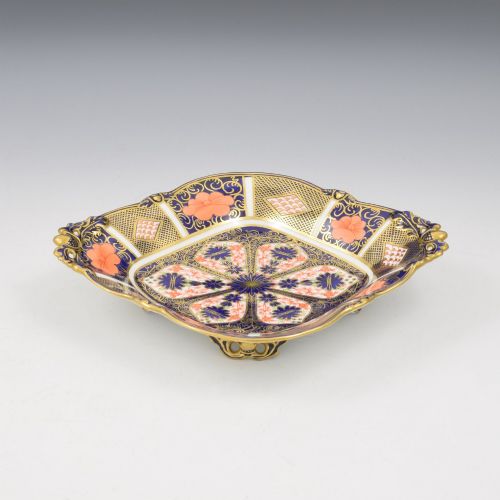
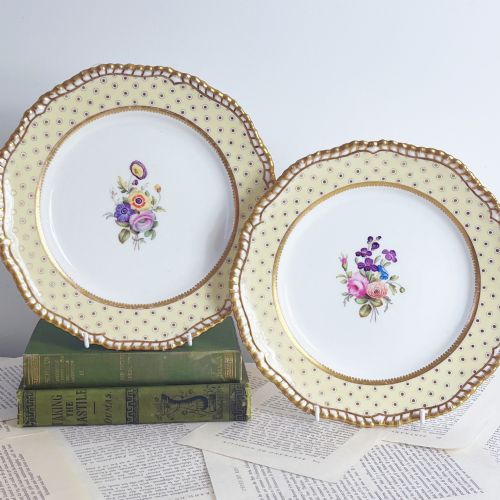
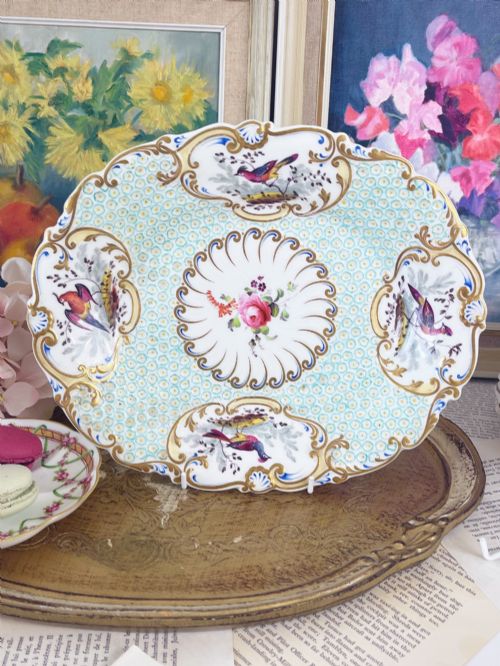
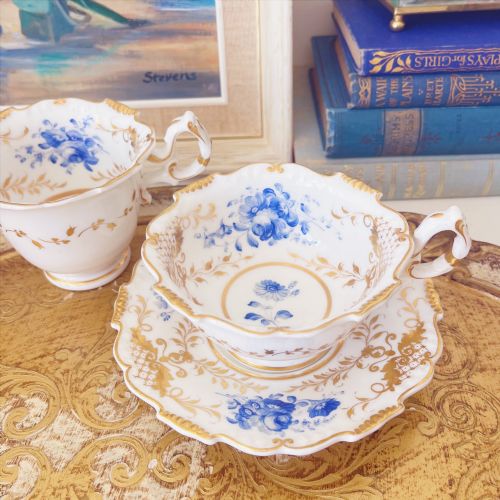
Gilded English China
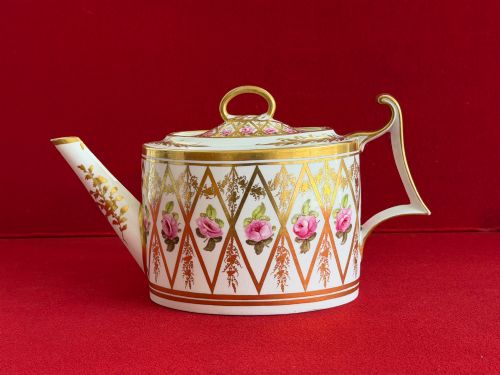
These pieces of gilded english china encompass everything from cabinet plates to teapots adorned in gold leaf across Georgian, Victorian, and later periods.
Gilded English China
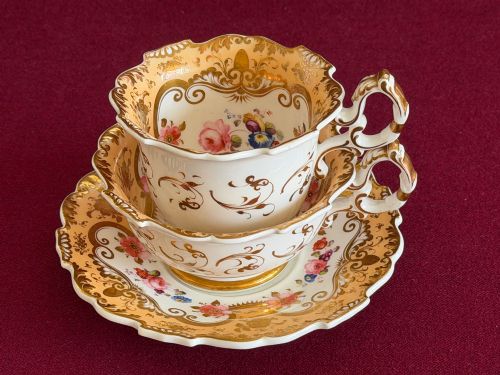
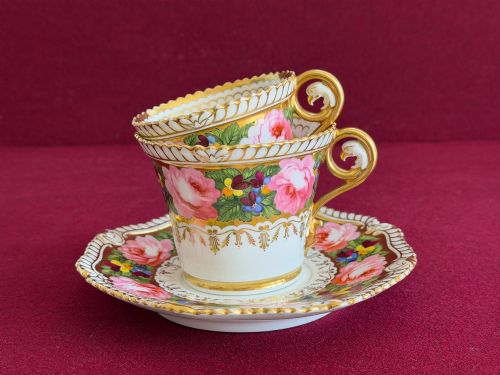
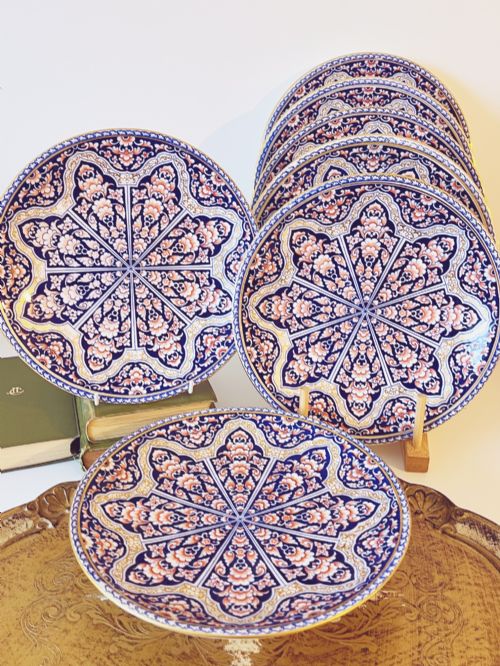
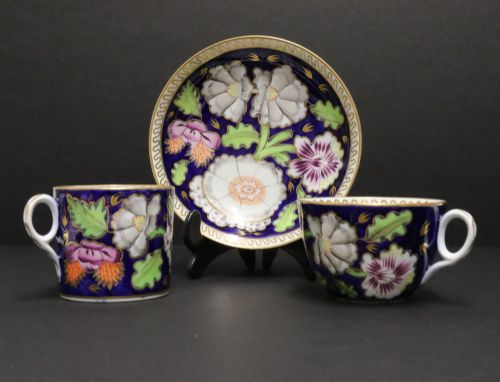
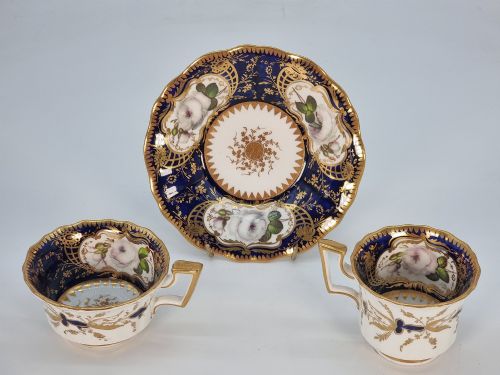
When you examine gilded english china, you encounter functional and decorative ceramics originating from notable factories such as Royal Worcester, Spode, and Derby. The selection spans tea trios, cabinet plates, dessert services, and vases produced across the Georgian, Regency, Victorian, and Edwardian eras.
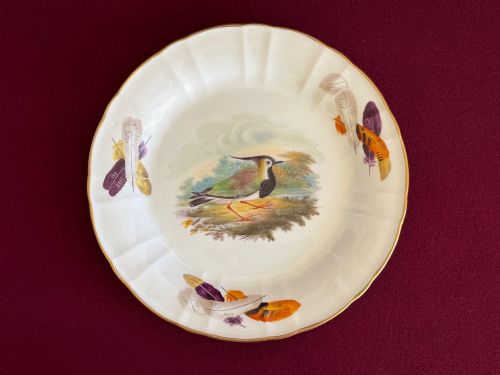
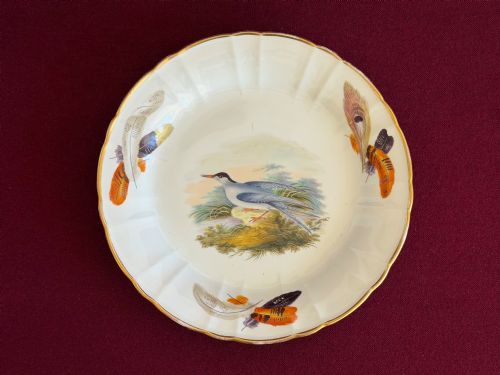
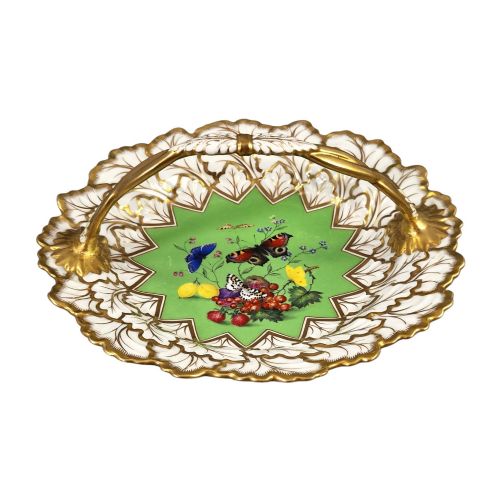
You are most likely to meet 19th-century cabinet plates, trios, and fruit-painted dishes on this page, reflecting the enduring popularity of hand-painted botanical and avian subjects combined with heavy gilding. Forms range from simple saucers to twin-handled vases and inkstands.
The objects bridge domestic utility and display, often intended for formal dining or parlour display rather than everyday use. Their styles shift from restrained Regency neoclassical lines to florid Victorian revivalism and early twentieth-century pictorial painting.
How they were made
Potters shaped these vessels using bone china, soft-paste porcelain, and ironstone, applying glaze to create a smooth vitreous surface before secondary firing. Artisans then painted complex motifs in enamel, depicting birds, landscapes, and floral arrangements by hand.
Gilding was applied using gold leaf, gilt, or liquid gold mixtures, then fixed in a kiln and hand-burnished with agate stones to achieve a brilliant metallic lustre against the white ceramic body.
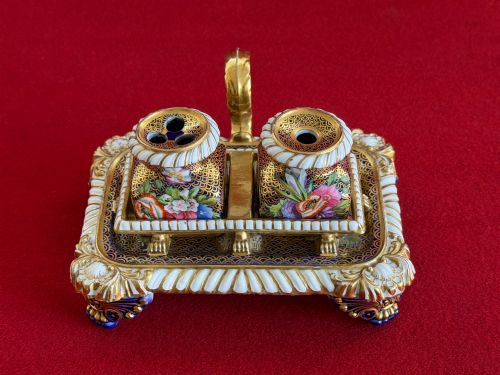
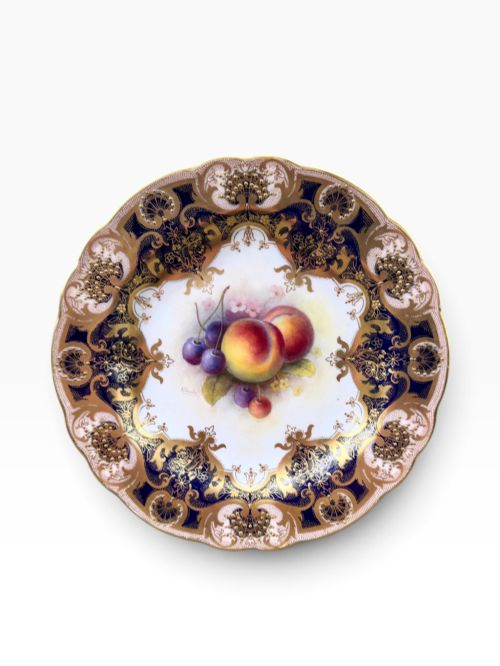
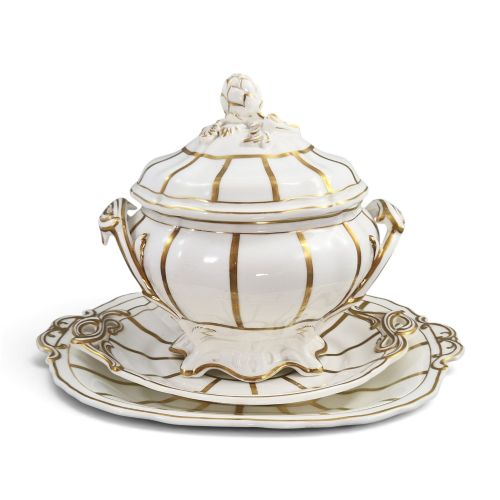
Object forms span teapots, inkstands, sauce tureens, and painted fruit cabinet plates.
What varies in quality
The distinction between ordinary and exceptional pieces rests upon the precision of the hand-painted decoration and the depth of the gilding. Named artists such as Richard Sebright or Albert Shuck elevate the status of a cabinet plate through detailed botanical execution.
Manufacturing complexity also dictates worth, seen in moulded rococo scrolls, twin handles, and intact matched trios or dessert services rather than isolated components.
Royal Worcester·Spode·Royal Crown Derby·H & R Daniel·Coalport·Chamberlains Worcester·Wedgwood·Minton
The Gilded English China Glossary
- Cabinet plate
- A decorative ceramic plate intended for display in a cabinet rather than for dining. These often feature elaborate hand-painted scenes and rich gilding.
- Trio
- A matching set comprising a tea cup, coffee cup, and saucer. These groupings are frequently found originating from Regency and Victorian porcelain manufacturers.
- Gilding
- The application of gold leaf or gold paint to the surface of ceramics. This technique highlights rims, handles, and painted borders with a metallic sheen.
- Soft-paste porcelain
- An early ceramic composition fired at lower temperatures than hard-paste porcelain. It results in a warm, slightly creamy body underneath the glaze.
- Comport
- A raised dish or bowl used for serving fruit or sweets as part of a grand dessert service. They sit on a central pedestal foot.
Gilded English China: Frequently Asked Questions
Can I use these teacups daily?
While these items were originally made for dining and tea service, their age and delicate hand-painted surfaces make them better suited for careful handling.
Displaying them in cabinets or using them only on special occasions helps preserve the fragile bone china and surface gilding for the future.
How do I identify the maker?
Turn the piece over to inspect the base for painted pattern numbers, impressed marks, or printed factory ciphers unique to the manufacturer.
Many historic English potteries stamped or wrote their specific symbols directly onto the ceramic body beneath the final glaze layer.
What does a trio consist of?
A traditional tea and coffee trio includes a matching tea cup, a taller coffee cup, and a shared saucer for the set.
Finding all three matching components together from the Regency or Victorian periods is a notable feature for collectors of fine ceramics.