




Neoclassical Porcelain Plate
These neoclassical porcelain plate examples bring classical mythology and refined neoclassical design straight to the table or cabinet.
Neoclassical Porcelain Plate
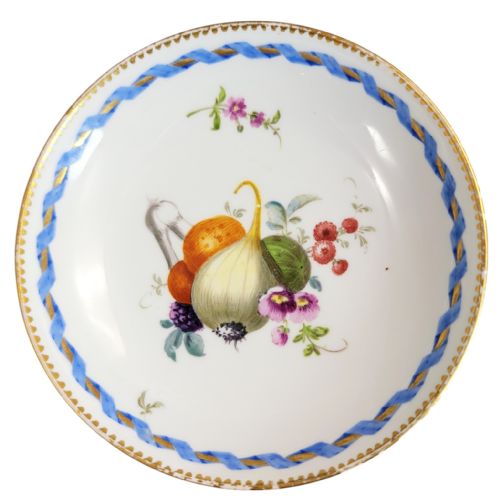
A neoclassical porcelain plate encompasses decorative plates, cabinet plates, pudding bowls, saucers, decorative chargers, and decorative trays shaped by eighteenth and nineteenth-century aesthetics. Most options visible on this page belong to the nineteenth century, including Georgian and Victorian neoclassical periods, alongside eighteenth-century pieces.
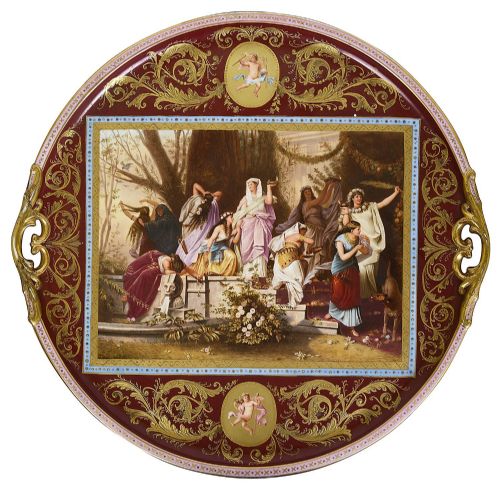
Makers and decorators channel classical subjects like Cupid and Psyche, Venus in the Forge of Vulcan, Caesar at the Grave of Alexander the Great, and the Birth of Adonis onto hard-paste porcelain and creamware surfaces. Collectors encounter everything from large chargers spanning sixty centimetres to intimate pudding bowls and saucers.
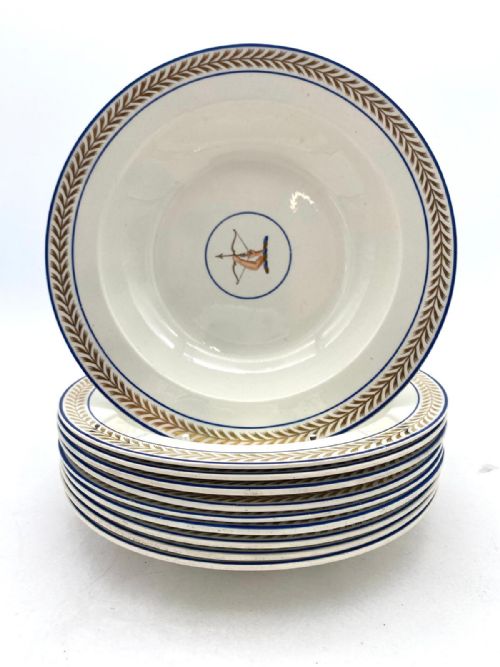
Works span styles from strict neoclassical to neoclassical revival and Victorian neoclassical, reflecting how different European centres interpreted classical motifs over time. Pieces like the Wedgwood armorial creamware pudding bowls or the Mintons pate-sur-pate plate demonstrate the diverse functional forms this category takes.
How they were made
Potters shaped hard-paste porcelain, creamware, and earthenware into chargers, cabinet plates, and trays, frequently incorporating pierced porcelain techniques for decorative borders. Artisans applied cobalt blue grounds, gold leaf, and gilding to frame the central hand-painted mythological scenes.
Specialised decorators executed intricate figurative subjects using enamel paints, while specific manufactories utilised delicate techniques like pate-sur-pate to build up low-relief porcelain designs against contrasting backgrounds.
Wise and foolish virgins occasionally share cabinet space with Bacchus and Ariadne on these neoclassical porcelain surfaces.
What varies in quality
The refinement of the hand-painted mythological narrative and the precision of the portraiture separate standard decorative items from superior cabinet pieces. Signed work by named painters or specific factory output commands closer attention for its artistic execution.
The richness of the gilding, the depth of the cobalt blue border, and the presence of complex elements such as pierced porcelain rims or armorial crests distinguish the finer examples in this category.
Wedgwood·Meissen·Royal Vienna·Mintons
The Neoclassical Porcelain Plate Glossary
- Cabinet Plate
- A decorative plate intended for display in a cabinet rather than for dining use. These often feature elaborate painted mythological scenes and gilded borders.
- Charger
- A large ornamental plate or tray used historically for presentation or service. In this category, chargers frequently showcase detailed classical figural compositions.
- Pate-sur-pate
- A ceramic decoration method where liquid clay is applied in successive layers to a contrasting background to build up a low-relief cameo effect.
- Creamware
- A refined earthenware developed in the eighteenth century, noted for its pale yellowish-cream tone. Wedgwood notably produced armorial pieces in this material.
Neoclassical Porcelain Plate: Frequently Asked Questions
Can I use these plates for serving food?
Most items in this category are cabinet plates, chargers, or decorative trays intended for display rather than daily dining. Historic enamels and gold gilding can wear down with active use and washing.
Enjoy them as visual art in cabinets or mounted on walls using appropriate plate hangers.
What is the difference between porcelain and creamware?
Porcelain is a hard, vitrified ceramic fired at high temperatures, offering a smooth, white surface ideal for detailed figurative painting. Creamware is an refined earthenware with a warm, pale cream body.
Both materials accommodate neoclassical designs, though porcelain typically hosts finer portraiture and intricate gilding.
How do I identify a Royal Vienna piece?
Look for characteristic nineteenth-century decorative traits such as rich cobalt blue borders, extensive gold leaf gilding, and finely executed classical or mythological subjects. Many pieces depict named scenes from antiquity.
Comparing the painting style and porcelain body to documented factory standards helps confirm the origin.