





Antique Porcelain Charger Plate
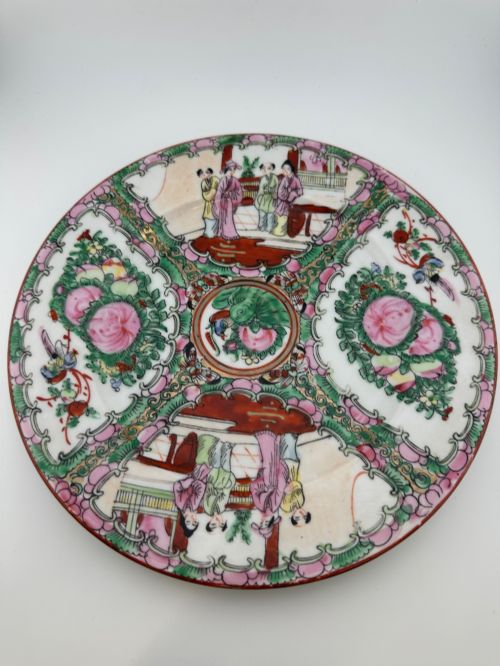
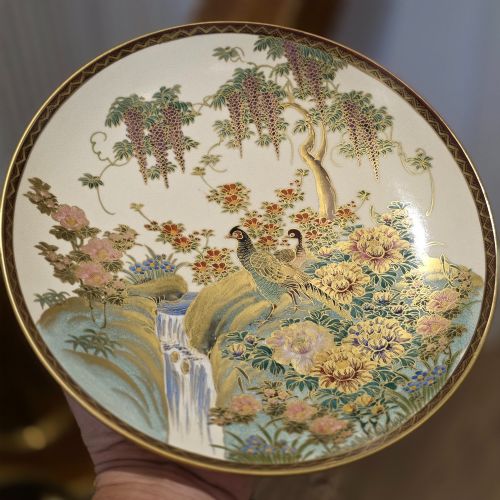
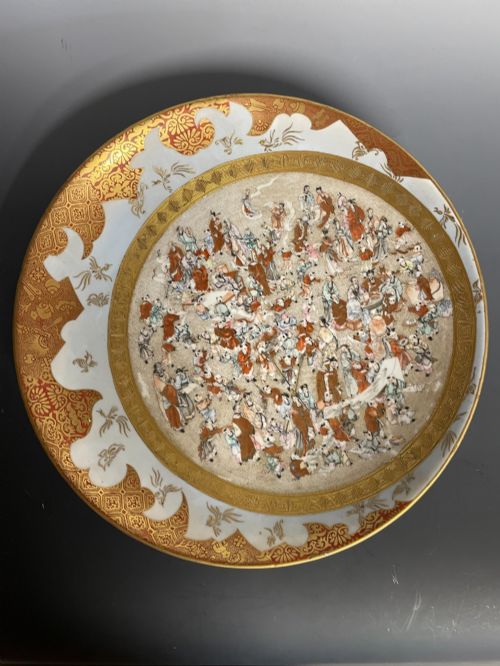
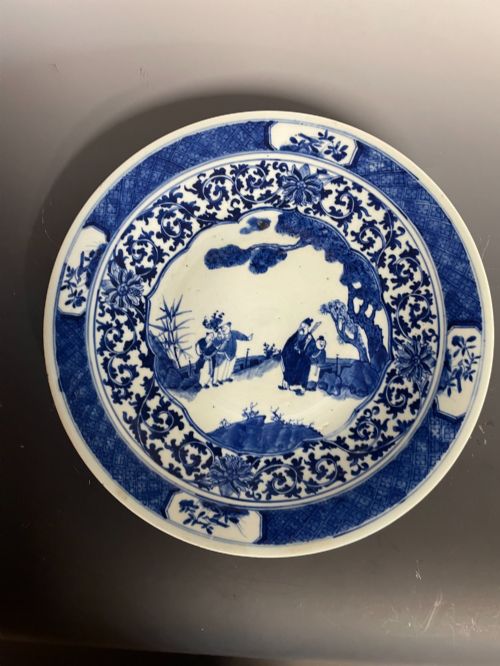
An antique porcelain charger plate brings centuries of painted mastery, cobalt underglaze, and heavy gilding directly to your display wall or cabinet.
Antique Porcelain Charger Plate
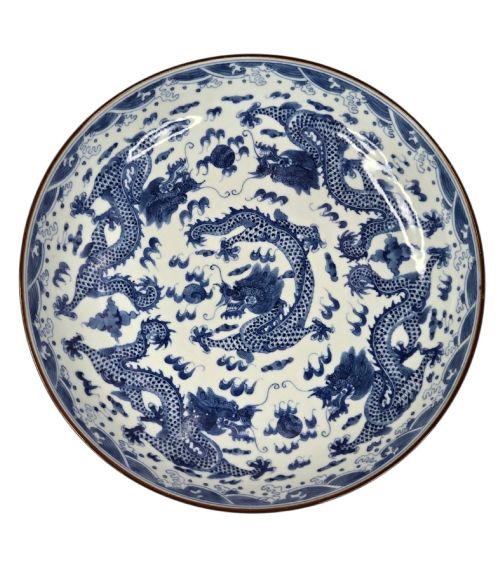
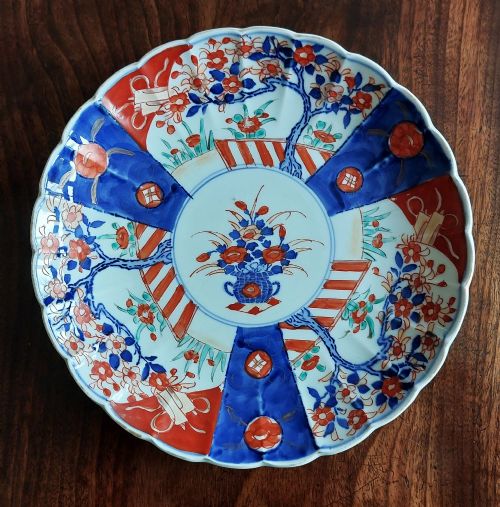
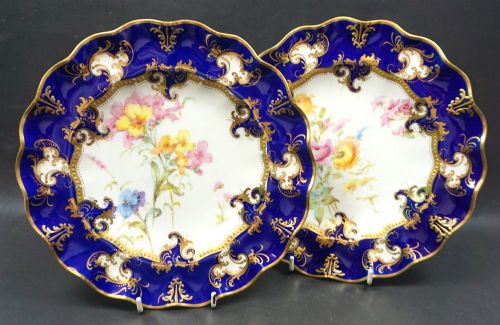
When you search for an antique porcelain charger plate, you encounter large display pieces, cabinet plates, and wide dishes spanning the eighteenth, nineteenth, and early twentieth centuries. These works originate from diverse traditions, including Japanese Meiji Imari wares, Chinese Qing dynasty exports, Dutch Delft, and European factories such as Sèvres, Royal Worcester, and Royal Crown Derby.
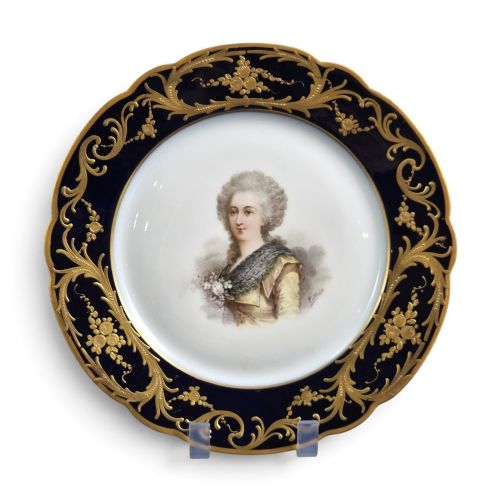
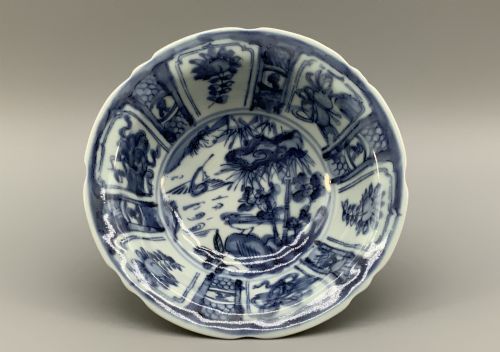
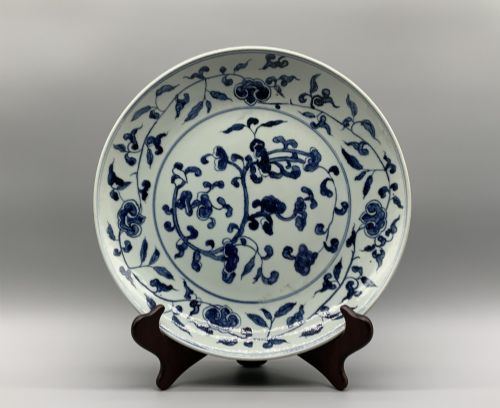
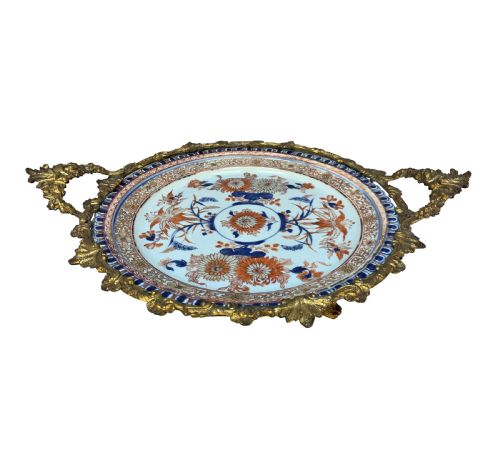
The versions met most frequently on this page combine blue and white underglaze painting, polychrome enamels, and intricate Japanese Imari patterns. Alongside these Asian imports appear French Paris porcelain, English ironstone, and portrait plates featuring hand-painted scenes and gilt borders.
Forms vary from traditional round chargers and lobed bowls to scalloped edges, hexagonal shapes, and oval dishes. Buyers select these items primarily for decorative display, appreciating the scale and historic weight that standard tableware lacks.
How they were made
Potters shaped fine porcelain clay before applying cobalt underglaze pigments and clear glazes, firing the pieces at high temperatures to achieve durable vitrified bodies. European factories like Sèvres and Royal Worcester often utilised soft-paste or hard-paste porcelain blanks for detailed hand-painted portraits and fruit studies.
Makers embellished surfaces with enamel colours, gold leaf, and raised gilding to create rich decorative contrast. Certain Japanese Satsuma pieces incorporated moriage technique, applying slip to build raised textural patterns before final painting and gilding.
Exotic birds, sprawling wisteria, and historic battles find equal permanence painted across these wide ceramic surfaces.
What varies in quality
The standard of painting defines the division between ordinary production and exceptional artistry, particularly in hand-painted portrait plates and intricate Imari designs. Precision in brushwork, depth of cobalt underglaze, and the richness of applied gold leaf signal superior craftsmanship.
The crispness of moulded edges, such as scalloped rims, lobed bodies, and ormolu mounts, indicates the skill invested during initial shaping and finishing. Pieces bearing signatures from established painters or recognised factories demonstrate documented expertise.
Royal Worcester·Royal Crown Derby·John Davenport of Longport
The Antique Porcelain Charger Plate Glossary
- Charger plate
- A large decorative plate traditionally used as a base setting or displayed upright on walls and plate stands. These pieces exceed standard dinner plate diameters.
- Cobalt underglaze
- A blue pigment applied to ceramic pieces before glazing and firing, capable of withstanding extreme kiln temperatures without fading. This technique creates deep, permanent blue motifs.
- Imari
- A style of Japanese porcelain featuring a distinct palette of cobalt blue, iron red, and gilt highlights. Originally exported from Arita, this aesthetic influenced European potteries significantly.
- Moriage
- A decorative ceramic technique using clay slip piped onto the surface to create raised, three-dimensional relief patterns. It appears frequently on Japanese Satsuma wares.
- Soft-paste porcelain
- A ceramic composition containing glass frit and white clay, fired at lower temperatures than hard-paste porcelain. It yields a slightly softer body with a warm glaze appearance.
Antique Porcelain Charger Plate: Frequently Asked Questions
How were charger plates used historically?
Historically, large chargers served primarily as decorative display pieces on sideboards or as base plates beneath smaller course dishes during formal dining.
Over time, collectors shifted toward mounting these large porcelain and earthenware plates on walls or displaying them within cabinets to showcase their painted scenes and gilt borders.
How do I distinguish Japanese Imari from Chinese export porcelain?
Japanese Imari pieces typically combine cobalt blue and iron red with extensive gilding, often featuring dense floral or brocade motifs on thicker porcelain bodies.
Chinese export porcelain from periods like the Qing dynasty frequently displays finer potting, distinct famille rose enamel palettes, or crisper blue and white underglaze painting.
Can I hang antique porcelain chargers on the wall?
Many collectors display chargers vertically using specialised, non-damaging wire plate hangers designed to support the substantial weight of large ceramic pieces.
Ensure the hanging hardware secures the rim safely without exerting excessive pressure on the glazed surface or historic foot rings.
What is the difference between a cabinet plate and a charger?
Cabinet plates are generally smaller decorative pieces intended for close viewing within display furniture, often featuring detailed hand-painted portraits or signed artwork.
Chargers are substantially larger decorative plates designed to command visual attention from a distance, whether resting on a table or mounted on a wall.