


Vintage Ceramic Cabinet Plate
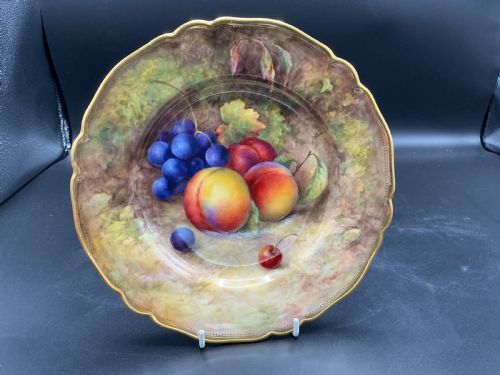
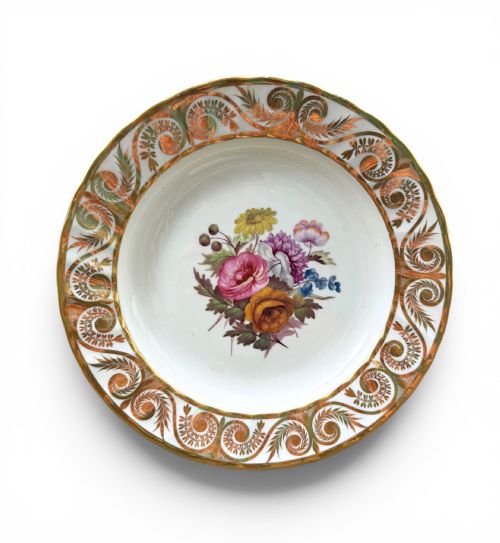
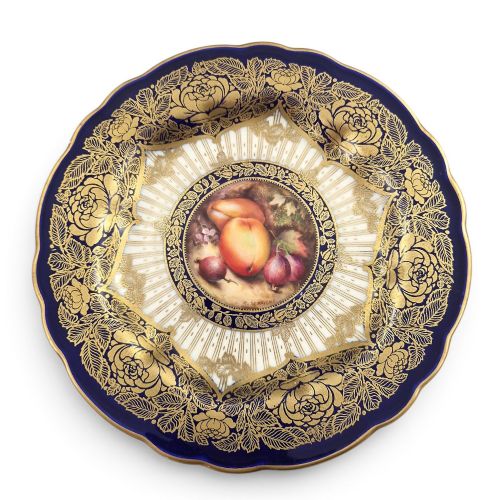
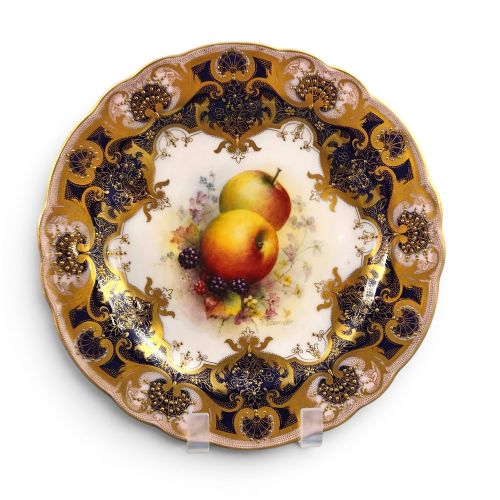
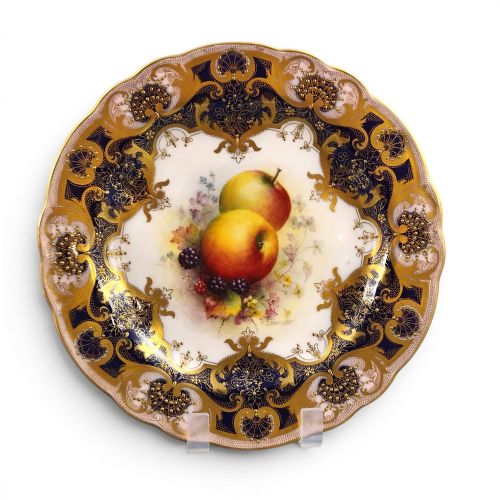
A vintage ceramic cabinet plate brings hand-painted fruit, intricate scenes and rich gilding directly from historic kilns to display stands.
Vintage Ceramic Cabinet Plate
A vintage ceramic cabinet plate represents ornamental display pieces produced across the eighteenth, nineteenth and early twentieth centuries. These items served primarily for visual appreciation rather than daily dining, often exhibited in drawing rooms on dedicated plate stands or mounted in cabinets.
The selections span bone china, porcelain and ironstone, featuring works from English factories like Royal Worcester alongside continental houses such as Meissen and Sevres. Japanese Imari examples also appear frequently, bringing vibrant contrasting palettes to the category.
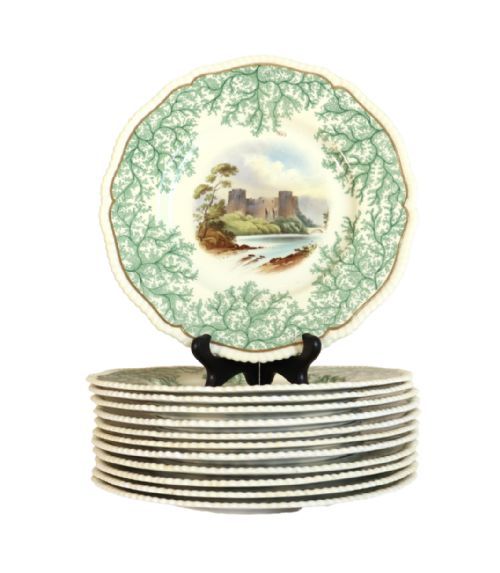
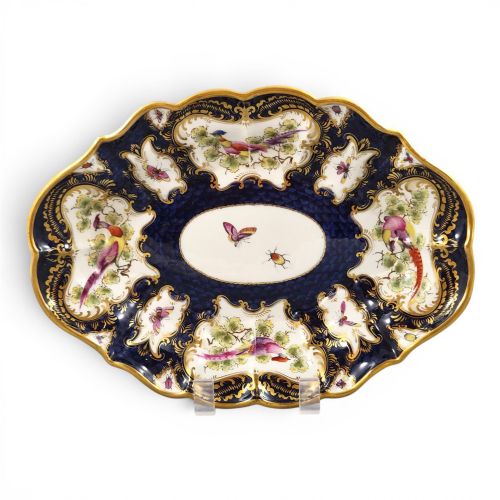
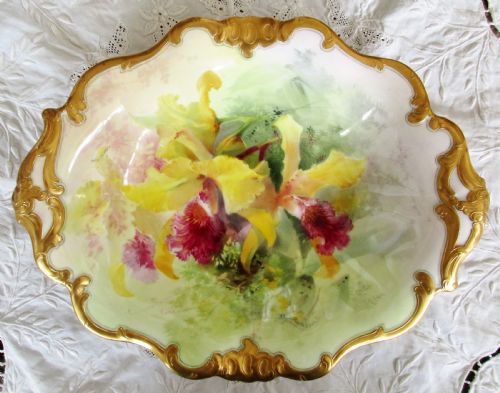
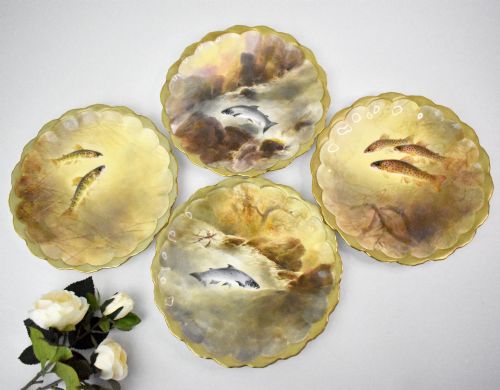
Collectors encounter plates decorated with botanical studies, ornithological scenes, landscape views and mythological subjects. Many bear the signatures of notable porcelain painters who specialised in cabinet displays.
Materials and technique
Potters shaped fine porcelain, bone china and ironstone bodies before applying initial underglaze painting and firing them at high temperatures. Artisans then added enamel colours and detailed gilding in gold leaf or gilt paint, requiring subsequent lower-temperature kiln firings to fix the metallic and vitreous layers.
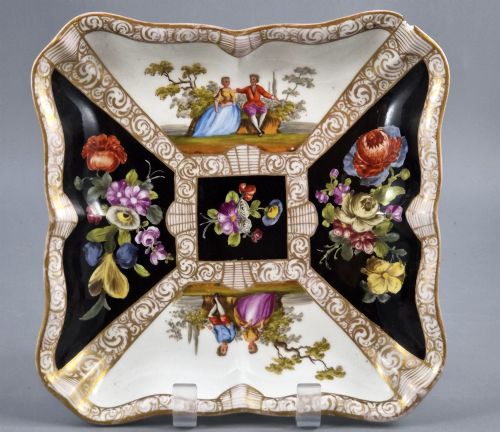
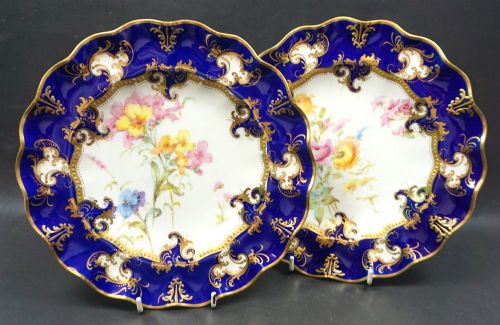
Hand-painting defined the finest pieces, executed by skilled artists working within major manufactories. Raised paste gilding and elaborate ground colours such as blue scale or green ground further demonstrated technical mastery.
Current listings feature porcelain, bone china, ironstone and enamel materials spanning the eighteenth to the twentieth centuries.
Evaluating the standard
Quality rests upon the precision of the hand-painting, the complexity of the subject matter and the reputation of the decorator or factory. Works bearing signatures by established porcelain artists command particular attention for their artistic execution.
The richness of the gilding and the depth of the enamel palette contribute significantly to a piece's visual impact. Intricately moulded edges, such as scalloped rims or embossed borders, indicate superior craftsmanship.
Royal Worcester·Meissen·Royal Crown Derby·Royal Doulton·Clarice Cliff
The Vintage Ceramic Cabinet Plate Glossary
- Cabinet plate
- An ornamental ceramic dish created for display rather than domestic service. These pieces typically feature elaborate painted scenes and rich gilding.
- Imari
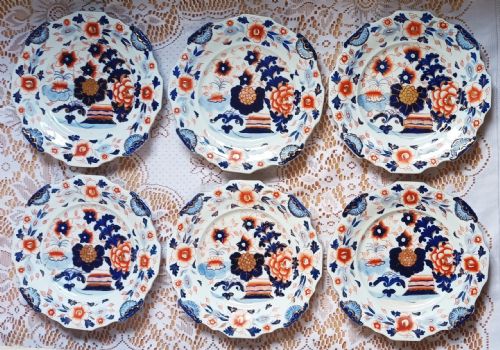
- A style of Japanese porcelain featuring distinctive underglaze blue and iron red combined with gold highlights. European factories frequently copied these patterns.
- Gilding
- The application of gold leaf or powdered gold to ceramic surfaces. This technique highlights rims, handles and decorative borders.
- Ironstone
- A durable type of heavy earthenware patented in the nineteenth century. It combined the strength of stoneware with the refined appearance of porcelain.
- Ground colour
- The predominant background hue applied to a ceramic piece before decoration. Examples include blue scale, green ground and black ground.
Vintage Ceramic Cabinet Plate: Frequently Asked Questions
How were cabinet plates displayed historically?
These decorative pieces sat upon specialised wooden easels or mounted inside glass-fronted display cabinets to protect delicate painted surfaces from dust and damage.
Owners curated collections to showcase wealth, artistic taste and appreciation for fine European and Asian porcelain manufacture.
Can I use these plates for dining?
Historic display pieces remain unsuited for modern culinary use due to fragile enamel paints, delicate gold leaf decorations and potential lead content in older glazes.
Hand-washing is discouraged for antique ceramics, and owners should rely on secure wall hangers or display stands instead.
How do I identify a signed plate?
Artists often signed their miniature canvas directly onto the surface near the edge of the central scene, frequently using initials or full surnames in fine brushwork.
Factory backstamps on the reverse help date the blank ceramic body, though the painting may involve an independent studio artist.
What defines Japanese Imari porcelain?
Traditional Imari wares utilise a strict palette comprising cobalt blue, iron red and abundant gold overlay upon a white ceramic base.
These pieces arrived in Europe via trade ships and inspired local ceramic factories to produce their own imitation patterns throughout the nineteenth century.