
Worcester Hand Painted Dish
When you search for a worcester hand painted dish, you uncover porcelain artistry spanning centuries, from early soft-paste dessert services to 20th-century cabinet plates.
Worcester Hand Painted Dish
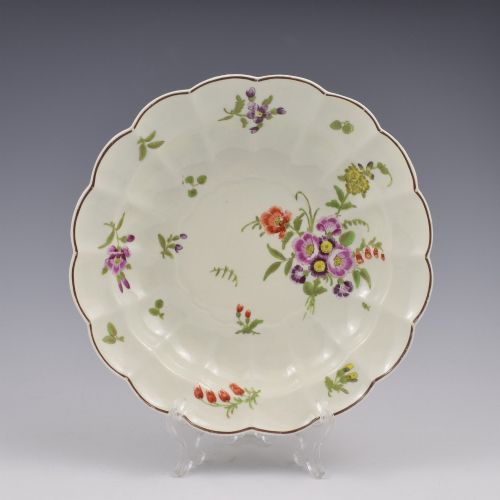
A worcester hand painted dish encompasses forms created for display and dining, ranging from early lobed dessert plates and sweetmeat dishes to later cabinet pieces. The selection spans the 18th century, the Regency era, and the 19th century, carrying forward into Edwardian and later 20th-century productions.
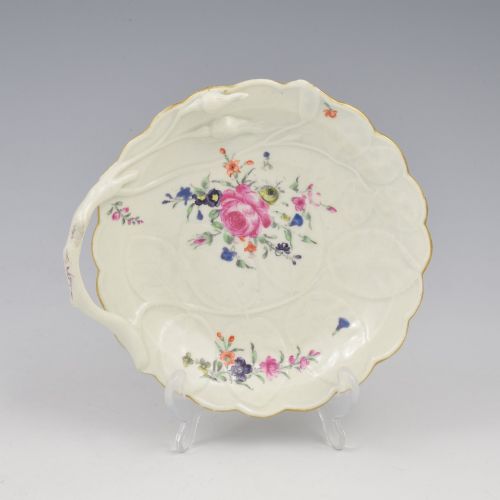
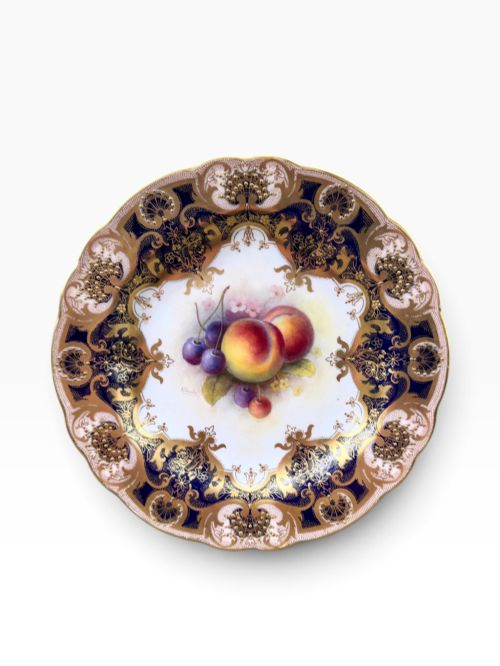
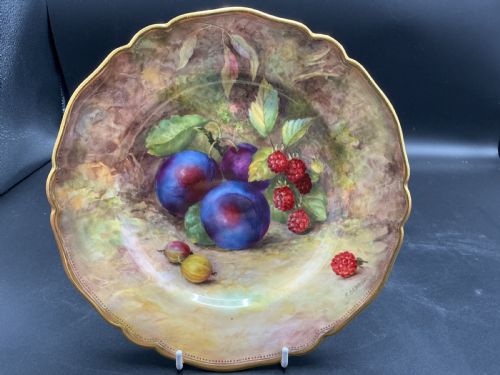
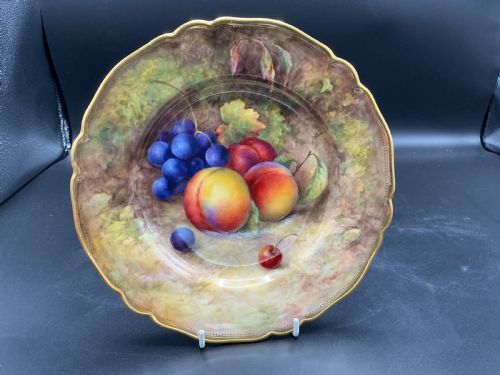
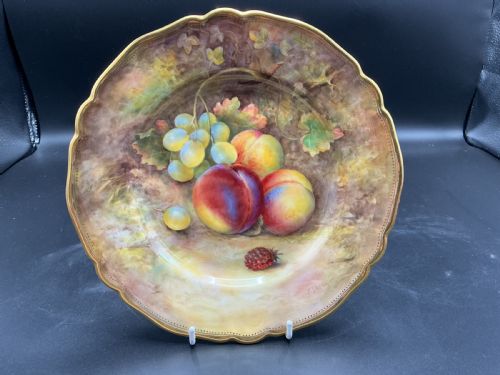
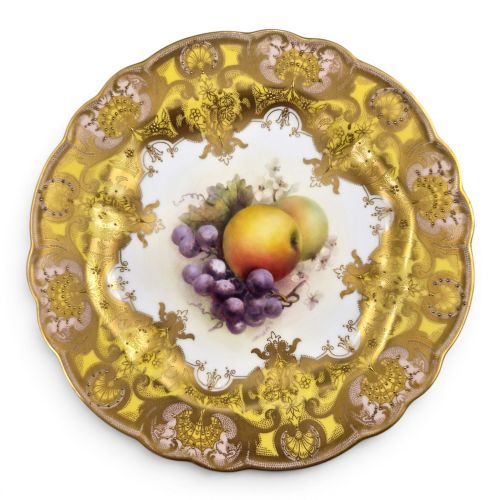
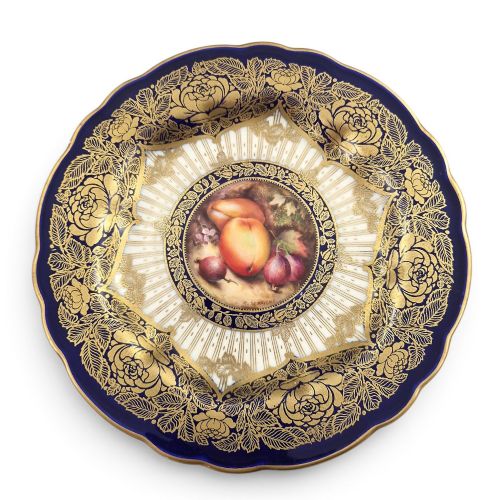
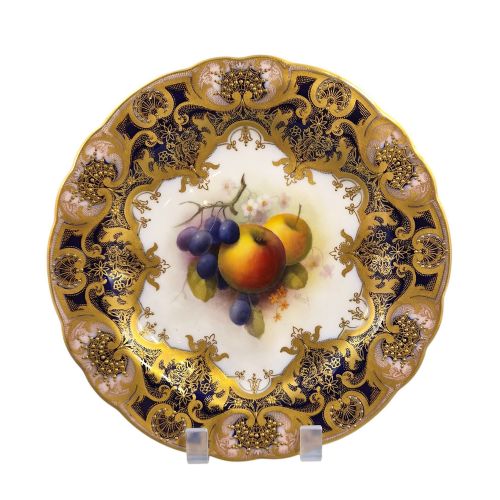
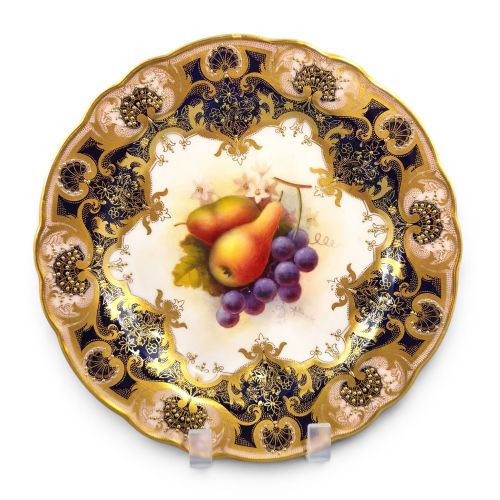
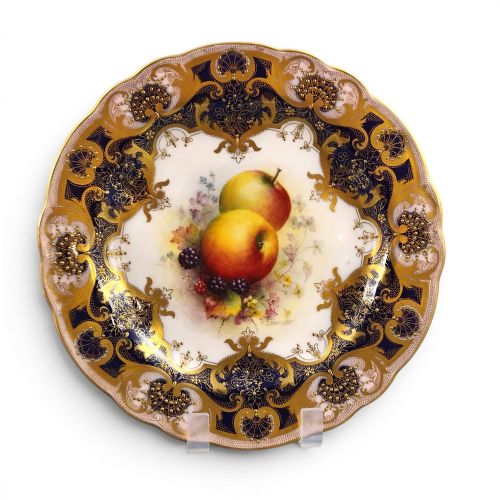
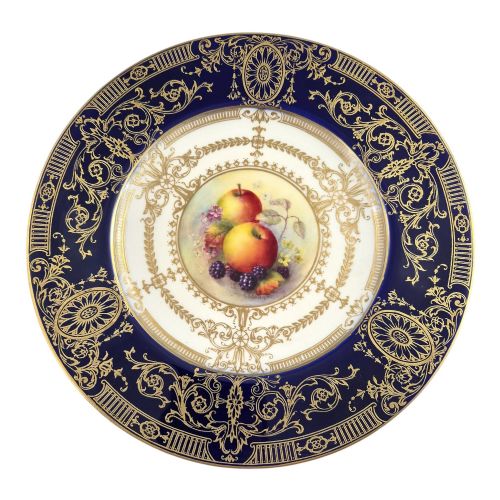
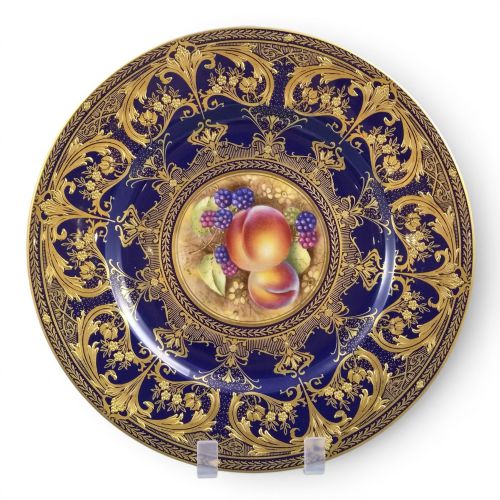
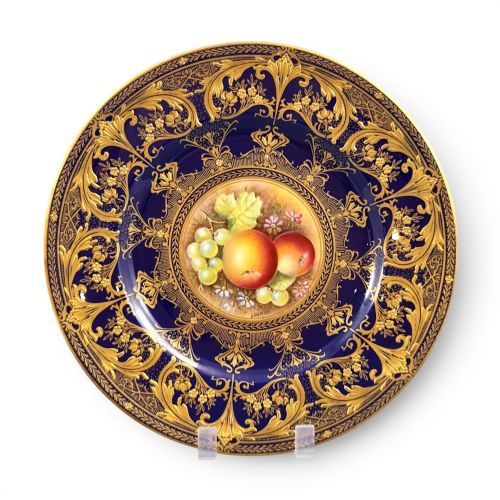
The pieces appearing on this page most frequently include fruit-painted cabinet plates signed by notable artists, alongside earlier Dr Wall period leaf dishes and armorial dessert services. Buyers encounter everything from blue scale patterns to topographical scenes and elaborate gilded borders.
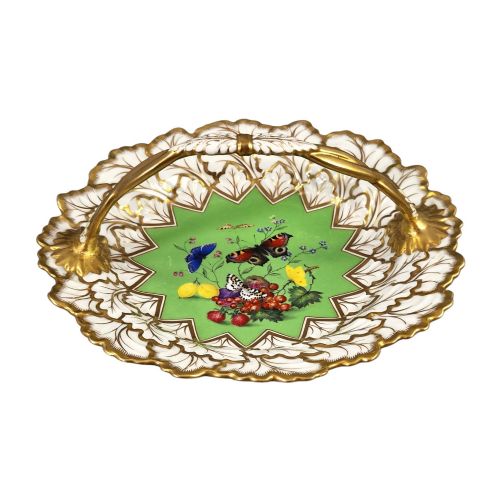
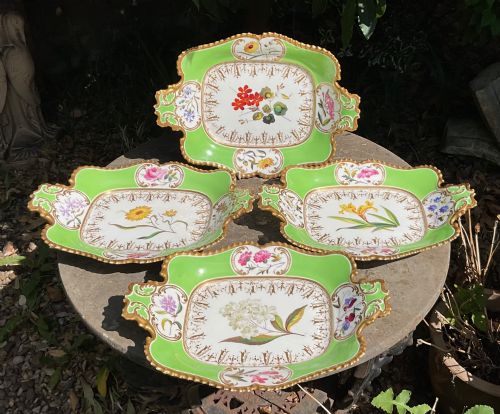
Objects take shapes such as square lobed dishes, boat-shaped bowls, shell handles, and rope edge plates. Each item reflects the changing tastes of Georgian, Regency, and later English traditional design.
Materials and methods of production
Makers utilised porcelain and bone china, often beginning with soft-paste porcelain in the 18th century before transitioning to harder bodies. Enamel paint, gold leaf, and extensive gilding were applied by hand to decorate the ceramic surface.
Skilled painters executed botanical studies, exotic birds, armorials, and meticulous fruit compositions, followed by kiln firings to set the pigments and precious metals.
Several plates depict detailed fruit painted so convincingly that dining guests might attempt to pick off the grapes.
Distinctions in quality and execution
Quality rests upon the precision and complexity of the hand-painted decoration, where master artists working for factories like Royal Worcester achieved remarkable depth and realism in fruit and floral studies. The control shown in tooled gilding and ground colours such as blue scale further separates standard domestic wares from high-status cabinet pieces.
The crispness of the porcelain moulding and the preservation of the original enamel colours and gold leaf over centuries dictate the standing of an individual piece.
Flight Barr And Barr·Chamberlains Worcester·Grainger And Co·Royal Worcester
The Worcester Hand Painted Dish Glossary
- Cabinet plate
- A decorative plate intended for display rather than dining. These pieces often feature elaborate hand-painted scenes and rich gilding.
- Soft-paste porcelain
- An early ceramic composition fired at lower temperatures than hard-paste, common in 18th-century English factories. It has a warm, slightly creamy appearance under the glaze.
- Blue scale
- A patterned blue ground resembling fish scales, applied under the glaze with reserved panels for painted motifs. It is strongly associated with the First Period of Worcester production.
- Sweetmeat dish
- A small vessel designed for serving confectionery or dried fruits. These dishes often take naturalistic forms such as leaves or shells.
- Armorial
- A design incorporating a family coat of arms or heraldic insignia. Such dishes were custom-ordered by landed families for grand dining services.
Worcester Hand Painted Dish: Frequently Asked Questions
What periods do these dishes come from?
The selection includes pieces from the 18th century during the Dr Wall period, the Regency era under Flight, Barr & Barr and Chamberlain, and later Victorian, Edwardian, and 20th-century Royal Worcester manufactories.
Production dates span from the 1760s through to the 1970s, reflecting changing decorative styles over two centuries.
Who were the artists painting these pieces?
Factory studios employed skilled painters who specialised in specific subjects, such as fruit, birds, or topographical scenes. Signatures by artists like Richard Sebright, Albert Shuck, and J. Southall frequently appear on later cabinet plates.
Earlier pieces from the 18th century were typically unmarked by individual artists, reflecting a factory-based workshop system.
How were these dishes originally used?
Many examples functioned as part of large dessert services, holding sweetmeats, fruit, or small courses at the end of a formal meal. Other forms, particularly later cabinet plates and trays, were made strictly for display on sideboards or walls.
Serving dishes with handles, such as shell dishes and baskets, accommodated wet or dry confections during Regency and Georgian dining.