
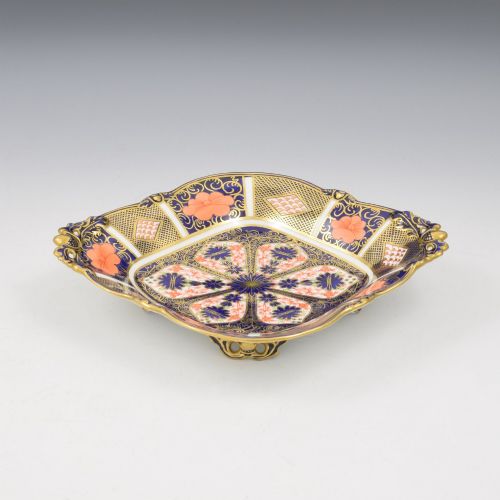
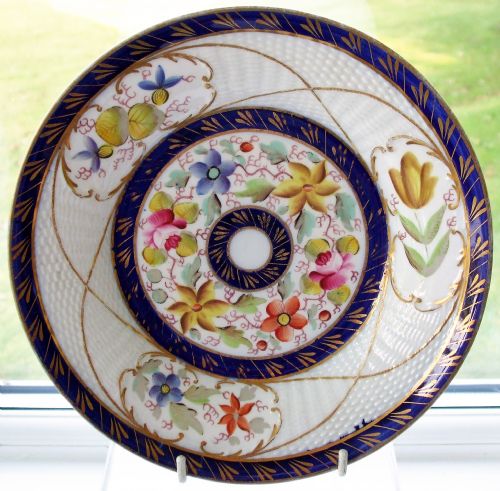


Vintage Porcelain Pin Dish
These vintage porcelain pin dish items are small, decorative receptacles for dressing tables and sideboards, offering a touch of hand-painted elegance for holding daily trifles.
Vintage Porcelain Pin Dish
A vintage porcelain pin dish provides a small, decorative surface for holding small personal items like pins, rings, and trinkets on a dressing table or desk. When searching for this form, a buyer encounters a variety of small decorative dishes, trays, and miniature bowls spanning several decades.
The pieces available on this page reflect a rich mix of periods, ranging from the 19th Century and Georgian era through Edwardian times and the Art Deco period. Forms vary from fan-shaped plates to pierced serving trays and small bon bon dishes.
Origins and styles span English Imari, Japanese Imari of the Meiji Period, and fine factory work from makers such as Royal Crown Derby, Wedgwood, Royal Worcester, and Royal Copenhagen. These small receptacles combine practical utility with sophisticated ceramic art.
Materials and construction
These pieces are constructed from fine porcelain and bone china, providing a smooth, durable white ceramic body suitable for intricate ornamentation. Artisans applied cobalt glaze and hand-painted details directly onto the surface before firing.
Many examples incorporate gold leaf, gilt, and gilding to accentuate edges, rims, and motifs, whilst others feature rich enamel colours. Hand painting by named artists adds individual artistry to specific dessert and decorative dishes.
Listings feature porcelain, bone china, gold leaf, and enamel across periods from the 19th Century to the Art Deco era.
Assessing quality and craftsmanship
Quality in these small dishes rests upon the fineness of the porcelain body and the precision of the hand-painted decoration. Superior pieces display crisp brushwork, expert use of gold leaf, and identifiable artistic signatures rather than printed transfers.
The presence of established factory marks, paired items, or specialist techniques such as lustre glazes and pierced work elevates an example above standard production wares. The skill involved in miniature painting determines the distinction between ordinary utility items and fine cabinet pieces.
Royal Crown Derby·New Hall·Wedgwood·Royal Worcester·Royal Copenhagen
The Vintage Porcelain Pin Dish Glossary
- Bone China
- A type of soft-paste porcelain containing bone ash, noted for its high strength, chip resistance, and translucent ivory body. This material allows for exceptionally thin and delicate small dish forms.
- Cobalt Glaze
- A deep blue ceramic pigment applied under the glaze, capable of withstanding high firing temperatures without losing its intense colour. It forms the foundation of traditional Imari designs.
- Gilt
- A thin layer of gold applied to the surface of the porcelain to create decorative metallic highlights along rims and handles. It provides a reflective contrast to the white ceramic body and painted motifs.
- Imari
- A style of ceramic decoration originating in Japan and later copied by European factories, traditionally featuring a palette of cobalt blue, iron red, and gold. English imari patterns often combine stylized floral and panel motifs.
- Lustre
- A type of ceramic glaze containing metallic oxides that impart an iridescent, rainbow-like sheen upon firing. Wedgwood made notable use of this technique on miniature bowls.
Vintage Porcelain Pin Dish: Frequently Asked Questions
What is a vintage porcelain pin dish used for?
These small dishes were traditionally placed on dressing tables, entrance halls, or desks to hold loose pins, brooches, rings, and small coins. They kept delicate items secure and tidy within easy reach during daily routines.
Today, collectors use them in similar ways for modern jewellery or simply display them as cabinet miniatures to showcase fine painting and ceramic artistry.
How do I date an antique porcelain dish?
Dating relies primarily on factory backstamps, ceramic bodies, and stylistic conventions associated with specific eras like the Edwardian period or Art Deco. Examining the style of hand painting and any artist signatures also provides clues to the manufacturing decade.
Comparing the glaze texture and gilt application against known factory periods helps narrow down the age of unmarked or signed decorative items.
Are these dishes safe to use daily?
Whilst sturdy enough for gentle handling, many antique and vintage pieces feature delicate hand-painted enamels and gold gilt that can wear away with frequent washing or abrasive use. They are best suited for decorative display or gentle containment of dry accessories.
Hand washing in lukewarm water without harsh detergents helps preserve the fragile surface decoration and metallic leaf on older ceramic pieces.
What does Imari style mean on porcelain?
Imari refers to a distinct decorative palette and aesthetic inspired by Japanese export wares, characterised by underglaze cobalt blue combined with iron red and gilt highlights. European factories adopted these bold, ornate patterns during the Georgian and Victorian eras.
Pieces in this style exhibit complex, divided panels of floral and geometric motifs, making them visually striking additions to a collection of small trays.