


Antique Decorative Porcelain Saucer
These antique decorative porcelain saucer pieces and related dishes offer exquisite hand-painted detail from the eighteenth, nineteenth, and early twentieth centuries.
Antique Decorative Porcelain Saucer
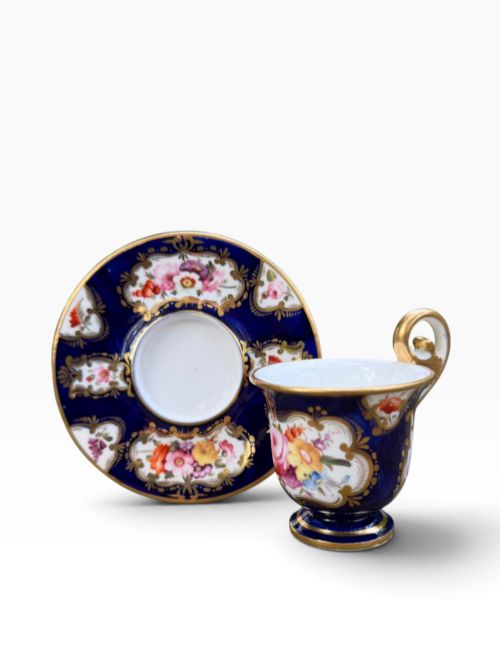
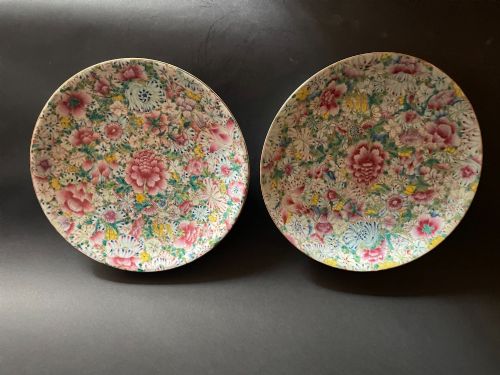
When you search for an antique decorative porcelain saucer, you are looking at small ceramics created for display or tea service across multiple periods including the eighteenth, nineteenth, and early twentieth centuries. The pieces on this page span diverse cultural traditions, ranging from English factories like Wedgwood, Coalport, New Hall, Davenport, Worcester, Royal Worcester, and Royal Crown Derby to continental makers such as Meissen, Royal Vienna, and Sevres manner works, alongside Japanese Imari and Chinese Qing style wares.
While the exact term specifies a saucer, the selections available also encompass related cabinet plates, decorative dishes, true trios, and cabinet cups and saucers. These items showcase styles from Georgian Chinoiserie and Regency to Edwardian and Victorian aesthetics, reflecting how households valued ornate ceramics for both utility and ornamental display in domestic spaces.
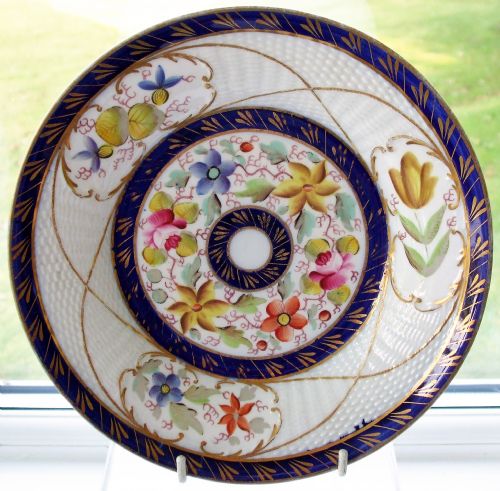
The material composition varies from traditional soft-paste porcelain to bone china, often enhanced with enamel, cobalt blue underglaze, gilt, and gold leaf. Buyers encounter everything from single cabinet display plates to sets of Imari bowls and plates, demonstrating the broad scope of domestic ceramic production across these centuries.
Distinguishing quality in the range
Quality in these ceramics rests upon the precision of the hand-painted execution and the sophistication of the design work. Pieces featuring signed artwork by named painters or specific factory marks stand apart from unmarked commercial output.
The richness of the palette, particularly the application of gold leaf, cobalt blue, and enamel work, dictates the visual depth of each item. Finer examples maintain crisp detailing in complex motifs, whether depicting birds, figures, or traditional Asian-inspired patterns.
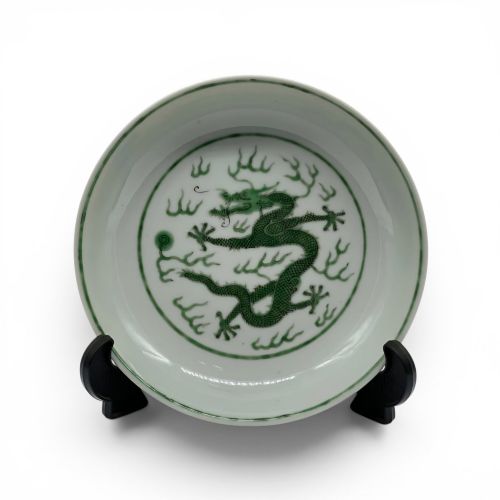
A nineteenth-century dish depicts a green dragon with such fierce enthusiasm that it clearly had zero interest in calming anyone down for tea.
Wedgwood·Coalport·New Hall·Worcester·Davenport·Royal Vienna·Meissen·Royal Worcester·Royal Crown Derby
The Antique Decorative Porcelain Saucer Glossary
- Bone china
- A type of porcelain incorporating calcined bone ash, developed in England to create a strong, bright white ceramic body suitable for delicate forms.
- Soft-paste porcelain
- An early ceramic composition fired at lower temperatures than hard-paste porcelain, producing a slightly warmer tone and a softer glaze texture.
- Cobalt blue underglaze
- A blue pigment applied to the ceramic body before the final glaze and high-temperature firing, ensuring the colour sinks permanently into the surface.
- Imari
- A style of Japanese export porcelain characterised by a palette of cobalt blue, iron red, and gold, which heavily influenced European factories.
- Cabinet plate
- An ornamental ceramic plate intended primarily for display in a cabinet or on a wall rather than for daily dining use.
Antique Decorative Porcelain Saucer: Frequently Asked Questions
How were antique saucers and cabinet plates displayed?
These pieces were typically housed in glass-fronted cabinets or mounted on walls in formal reception rooms to showcase their painted artistry and gilded finishes.
Owners curated displays to impress guests, grouping items by factory origin, decorative style, or thematic subject matter.
Can I use these antique porcelain dishes for serving food?
Most items from the eighteenth and nineteenth centuries, particularly cabinet plates and delicate saucers, are intended for decorative display rather than daily culinary use.
The fragile nature of soft-paste porcelain, hand-painted enamels, and delicate gilt edges means modern washing and frequent handling can cause degradation.
What is the difference between bone china and porcelain?
Bone china includes animal bone ash in the clay mixture, which gives the fired ceramic a distinctive milky whiteness and high chip resistance.
Standard porcelain relies on kaolin and petuntse, resulting in a different density and translucency depending on whether it is hard-paste or soft-paste.
How do I identify a Regency period ceramic piece?
Regency items, dating from the early nineteenth century, often combine classical motifs with vibrant enamel painting and rich gilding influenced by French taste.
Factory marks, specific paste types, and stylistic cues such as Georgian Chinoiserie elements help narrow down the date of manufacture.