


Blue and Gold Charger
A blue and gold charger brings rich cobalt tones and metallic warmth to a room, offering both decorative presence and historical craft.
Blue and Gold Charger
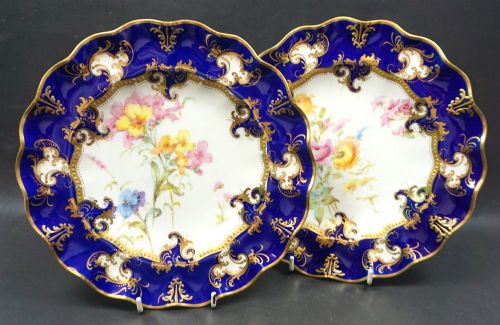
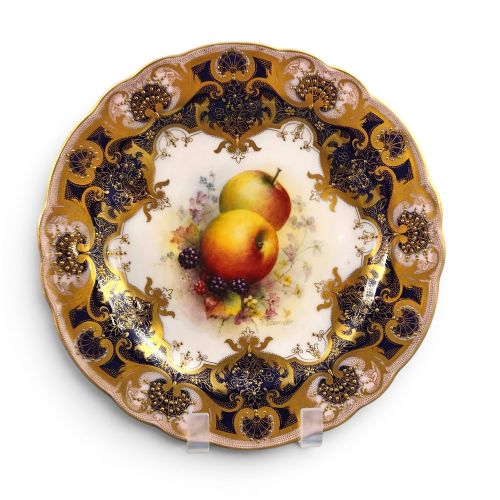
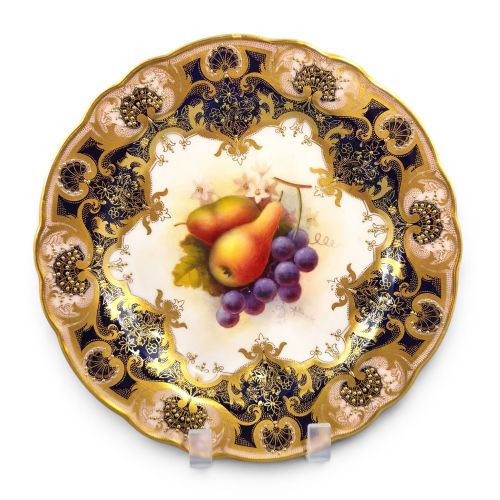
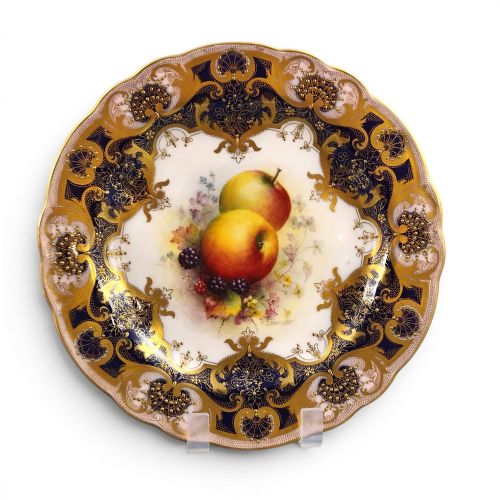
When you search for a blue and gold charger, you are looking at ornamental plates and large serving dishes designed primarily for display rather than dining. The pieces you meet on this page span several centuries and originate from both European manufactories and Japanese workshops.
The forms include cabinet plates, decorative chargers, wall chargers, and platters, reflecting a range of classical and decorative traditions. European examples often feature cobalt blue grounds paired with rich gilding, while Japanese works incorporate intricate enamel and metallic leaf.
How they were made
The pieces listed here rely primarily on porcelain, enamel, and copper or brass bases, combined with gold leaf, gilding, and paint. European factories utilised hard-paste porcelain painted with cobalt pigments and finished with applied gold accents.
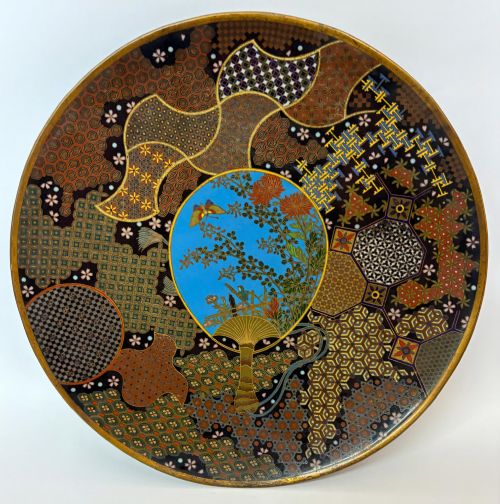
Japanese workshops employed techniques such as cloisonne on metal bases or delicate hand-painting over glazed porcelain. Artisans layered pigments and metallic elements, firing the items to fuse the rich blue and gold surfaces permanently.
Listings feature porcelain, enamel, and copper, spanning periods from the eighteenth century through the 1930s.
What varies in quality
Quality in these decorative pieces lies in the precision of the hand-painting and the complexity of the gilding. Master painters delivered finely detailed figural scenes, botanical studies, and naturalistic motifs rather than mechanical repetition.
The depth of the cobalt blue ground and the purity of the gold leaf or applied gilding determine the visual weight of the object. Superior examples display crisp definition in the enamel work and an assured balance of colour across the surface.
Royal Crown Derby·Royal Worcester·Meissen·Royal Vienna·Sevres
The Blue and Gold Charger Glossary
- Charger
- A large decorative plate or platter intended for display on a wall, cabinet, or sideboard rather than daily table use.
- Cabinet plate
- A fine ceramic plate produced specifically for display in a cabinet or interior setting.
- Gilding
- The application of gold leaf or gold paint to ceramic, metal, or wood surfaces to create luminous metallic highlights.
- Cloisonne
- A metalwork technique where fine wires form compartments that are filled with coloured enamel before firing.
- Cobalt blue
- A deep, stable blue pigment used extensively underglaze and overglaze on fine porcelain.
Blue and Gold Charger: Frequently Asked Questions
How were these chargers displayed historically?
Large chargers and cabinet plates were typically mounted on walls, set into plate rails, or displayed prominently within glazed wooden cabinetry.
This method of placement protected the delicate painted surfaces from wear while allowing the rich blue and gold colours to catch the ambient light.
Can I use these plates for serving food?
These pieces are intended as decorative cabinet plates and display chargers rather than functional tableware.
Many feature delicate overglaze enamels and gold leaf that would suffer from regular use and washing.
How do I distinguish European from Japanese styles?
European porcelain chargers often feature neoclassical or romantic painted scenes framed by cobalt and gilt borders, drawing on traditions from Sevres, Meissen, and English factories.
Japanese pieces from the Meiji and Edo periods typically incorporate cloisonne enamel or distinctive Imari palettes with intricate motifs like chrysanthemums.
What is the significance of cobalt blue in these designs?
Cobalt blue provides a stable, intense background colour that withstands high firing temperatures without losing its depth.
When combined with gold leaf or gilding, the blue creates a high-contrast visual framework that defines the period style.