


Vintage Porcelain Ornament
When you search for a vintage porcelain ornament, you are looking at glazed ceramic display pieces and figures shaped across the eighteenth, nineteenth, and twentieth centuries.
Vintage Porcelain Ornament
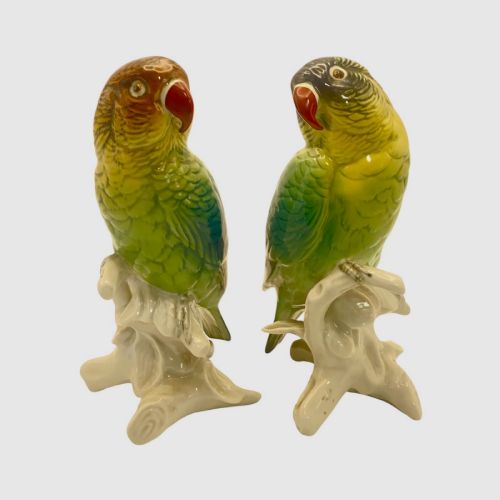
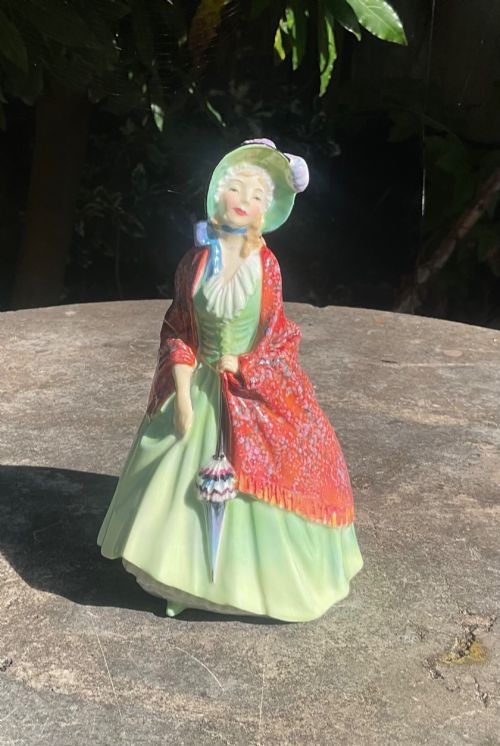
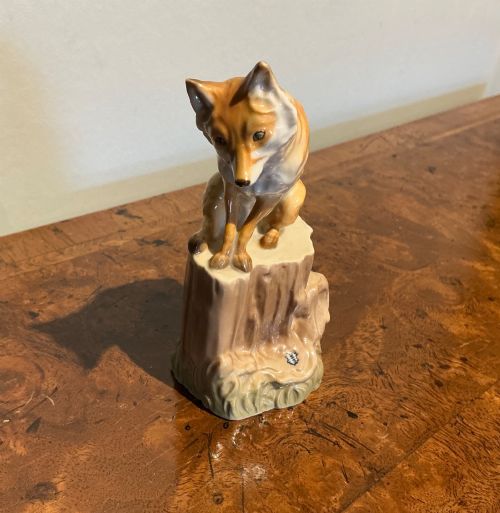
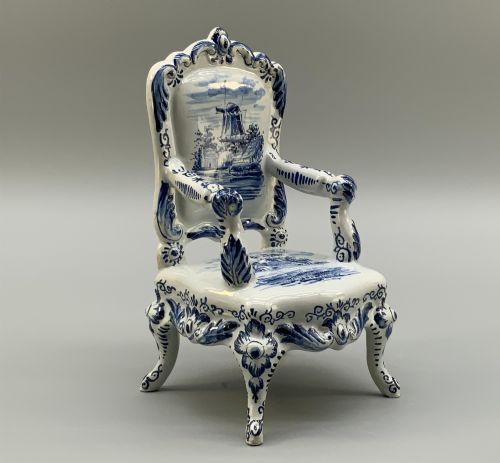
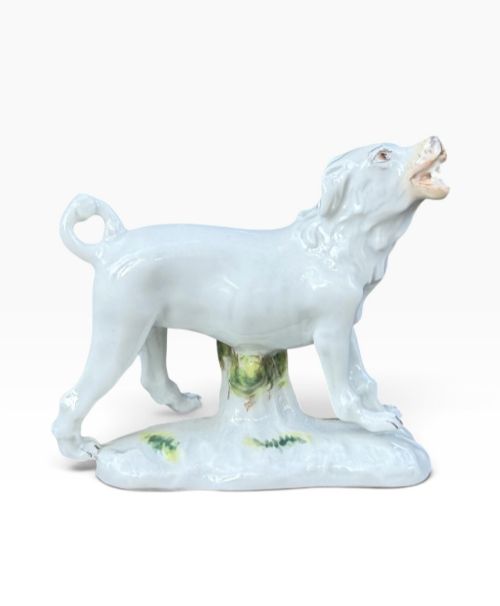
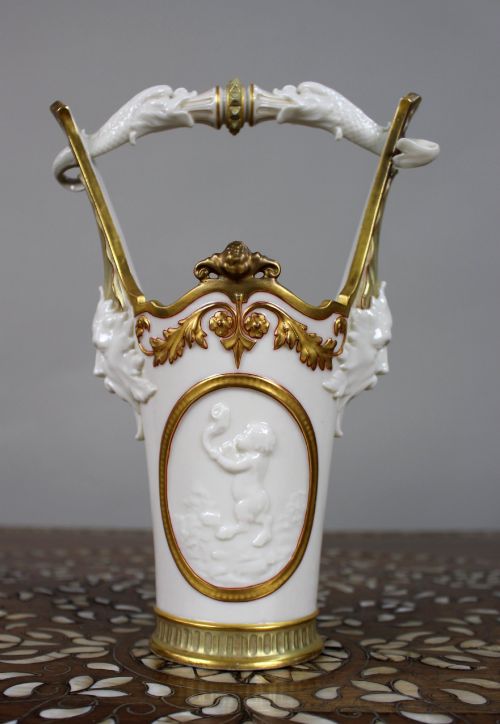
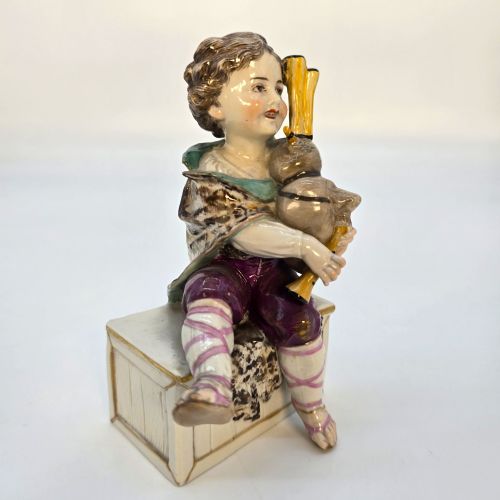
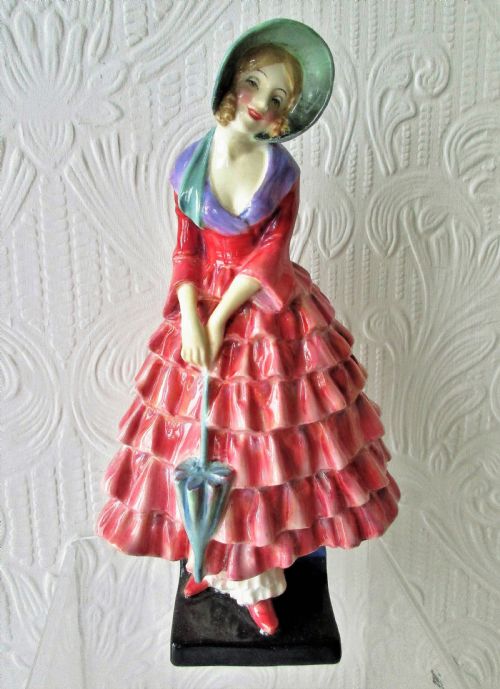
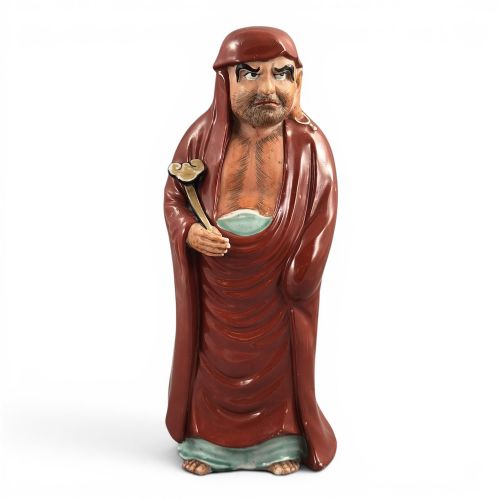
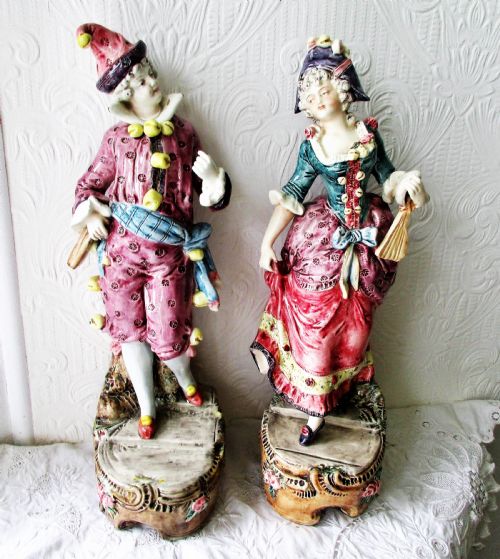
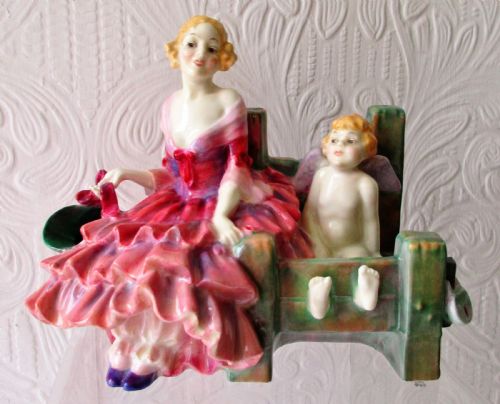
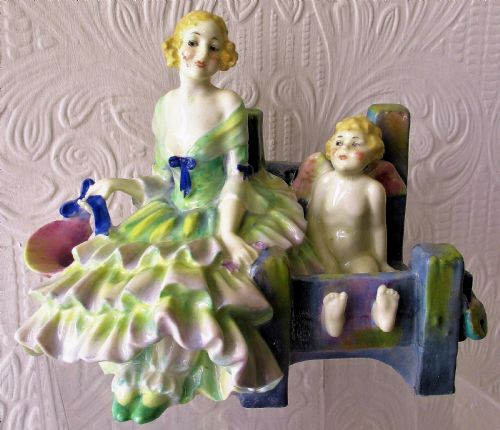
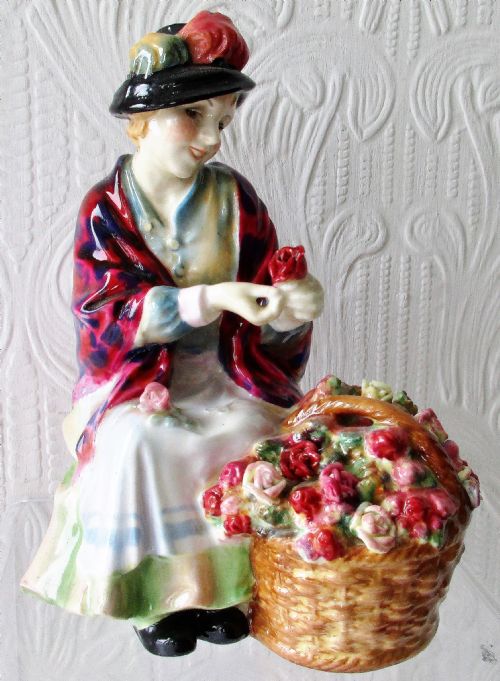
When you search for a vintage porcelain ornament, you encounter a varied selection of decorative objects, figurines, and sculptures from periods including the Victorian era, the Edwardian years, and the early twentieth century. The most common forms on this page are hand-painted figures, animal groups, and character studies made by major European factories such as Royal Doulton, Meissen, and Royal Worcester.
These items were originally intended for display on mantelpieces, sideboards, and occasional tables within middle and upper-class domestic interiors. Makers produced everything from delicate pastoral scenes and historical subjects to playful animal studies and exhibition vases.
The selection reflects both British bone china traditions and continental porcelain works, spanning styles from Rococo Revival and Art Nouveau to Art Deco. Collectors often find pairs of figures, miniature items, and larger centrepieces that capture the domestic tastes of their respective periods.
Materials and technique
The objects listed utilise hard-paste and soft-paste porcelain, bone china, and earthenware, shaped through moulding or hand-modelling before kiln firing. Glaze is applied to seal the ceramic body, providing either a glossy surface or a smooth matte finish depending on the kiln temperature and the workshop recipe.
Many items incorporate hand-painted enamel details, where artists applied pigments directly onto the biscuit or glazed surface before a final low-temperature firing. Selected highlights, such as trim lines or ornamental motifs, frequently employ gold leaf applied over the glaze.
Vintage Porcelain Ornament Retail Price Guide 2026
Typical asking prices for vintage porcelain ornament among the pieces listed under this phrase on Sellingantiques today, from the lower quarter to the upper quarter. They describe what is for sale here now, not the wider market.
The listings on this page span the eighteenth, nineteenth, and twentieth centuries, incorporating materials from standard earthenware to fine bone china.
Understanding quality
The execution of the palette separates standard production wares from high-end exhibition pieces. Skilled artists achieved subtle tonal gradations in enamels and precise application of gold leaf, while cheaper items relied on simpler transfer-printed outlines or heavy, flat washes of colour.
Royal Doulton·Karl Ens·Nymphenburg·Meissen·Royal Worcester·Volkstedt Rudolstadt Factory·James Hadley·Derby·Royal Dux·Richard Eckert·Clarice Cliff
The Vintage Porcelain Ornament Glossary
- Bisque
- Unglazed fired porcelain that has a matte, porous texture resembling marble. It was frequently used for nineteenth-century portrait busts and delicate figures.
- Bocage
- An ornamental background of applied ceramic leaves and branches found behind eighteenth and nineteenth-century figures. It adds a decorative botanical element to pastoral scenes.
- Bone china
- A type of soft-paste porcelain incorporating animal bone ash, developed in England to create a durable, highly translucent ceramic body. It accepts glaze and enamel colours with great stability.
- Enamel
- Opaque glass-based paints fused to the surface of the porcelain during a secondary kiln firing. These colours provide the vibrant reds, blues, and greens seen on painted figures.
- Hard-paste porcelain
- A true porcelain composed of kaolin and petuntse, fired at very high temperatures to create a vitrified, impermeable body. Meissen and Nymphenburg utilised this material for their figures.
- Glaze
- A glassy coating fused to the ceramic body during firing to waterproof the piece and provide a smooth sheen. It protects the underlying clay or porcelain from staining.
Vintage Porcelain Ornament: Frequently Asked Questions
Were these figures meant for display?
Manufacturers designed these ceramics exclusively for indoor decorative display on mantelpieces, cabinets, and drawing-room tables. They functioned as conversation pieces and symbols of refinement in period homes.
Because they were fragile ornaments rather than utilitarian vessels, they typically remained in protected locations away from heavy household use.
How can I tell the period of a porcelain figure?
Examine the base for factory backstamps, impressed model numbers, and hand-written cyphers that correspond to manufacturer production dates. Stylistic cues such as costume details, painting techniques, and the type of glaze also point to specific eras.
Comparing the modelling style to known historical examples helps narrow down the decade of manufacture. Reference books provide detailed chronological guides for factory marks.
What is the difference between porcelain and earthenware?
Porcelain is fired at much higher temperatures, resulting in a vitrified, non-porous body that is often translucent when held to the light. Earthenware uses a more porous clay base that requires an opaque glaze to seal the surface.
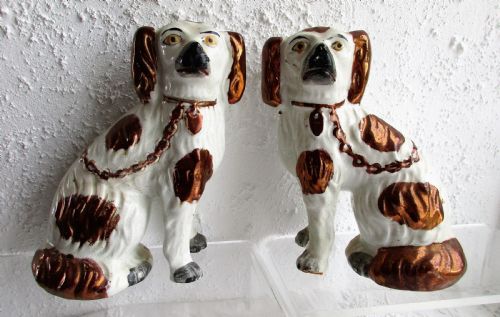
Earthenware pieces like Staffordshire figures tend to feel heavier and thicker than fine bone china or hard-paste porcelain ornaments.