



Collectable Porcelain Statue
A collectable porcelain statue brings character and history to a room, capturing human and animal forms through centuries of kiln work.
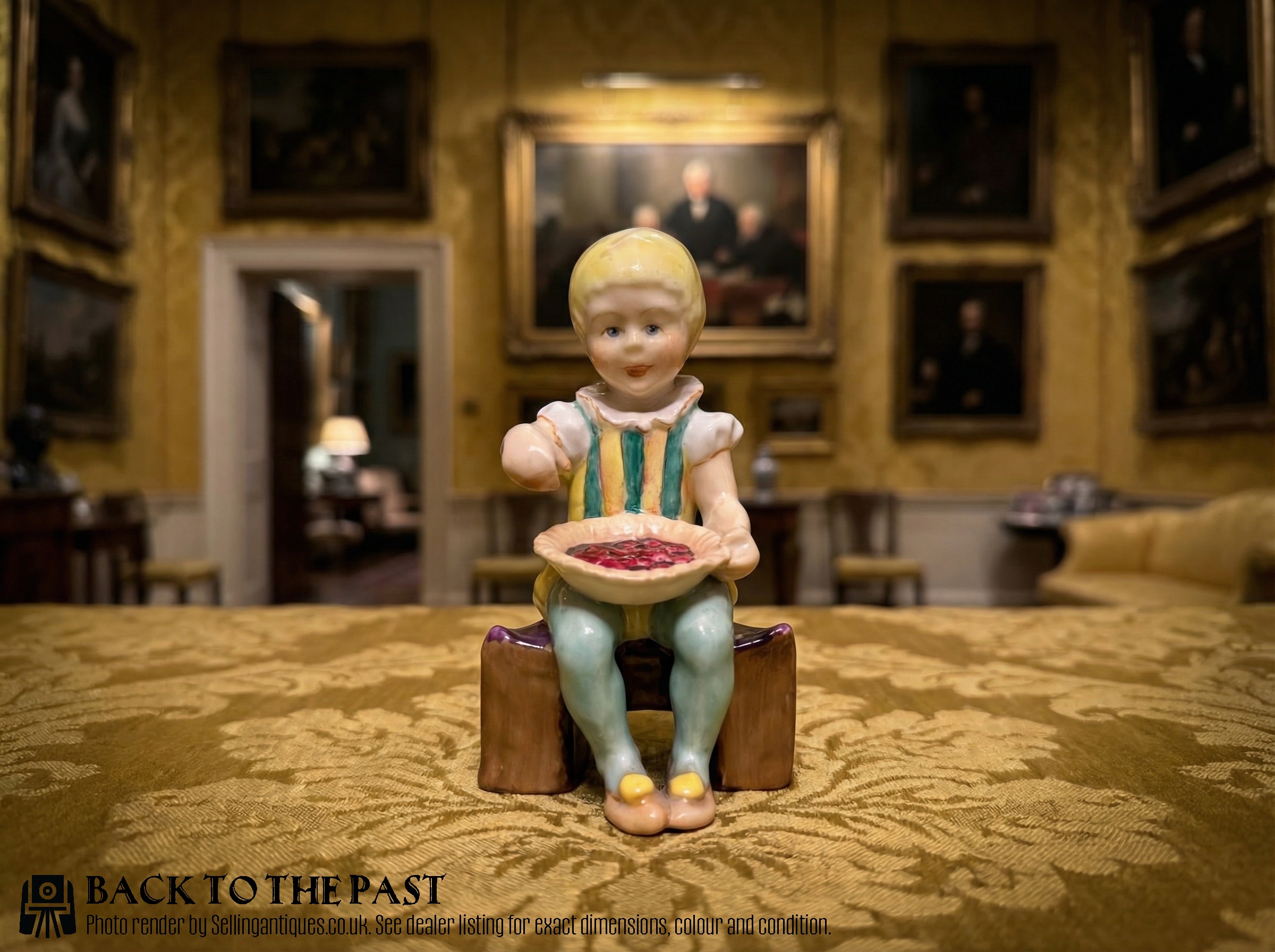
Collectable Porcelain Statue
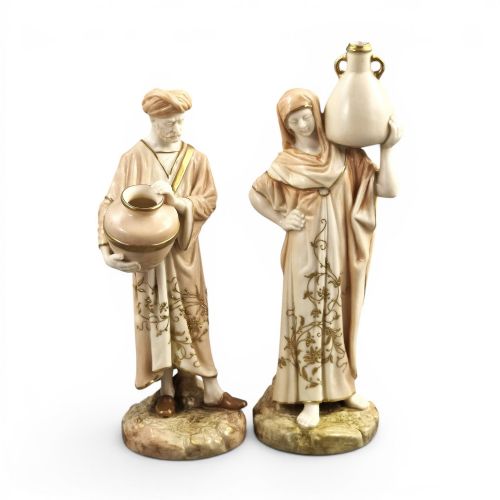
When you search for a collectable porcelain statue, you encounter figurines, pottery figures, and decorative sculptures spanning the Victorian, Edwardian, and twentieth-century eras. The examples on this page range from early English earthenware and bone china pieces to Continental works from German and French potteries.
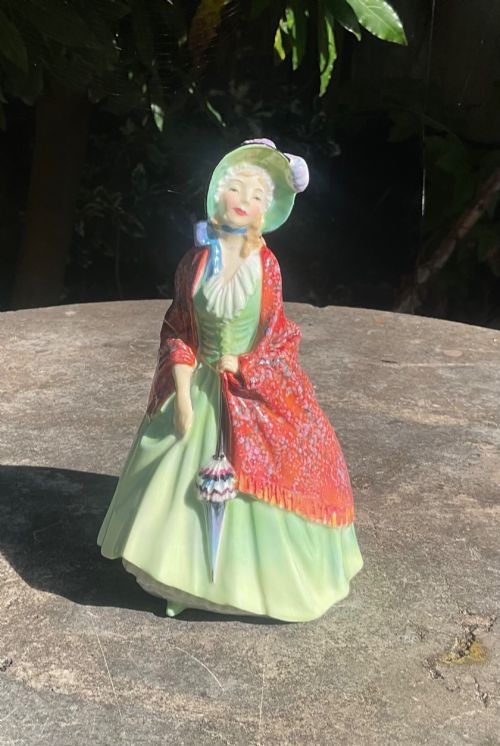
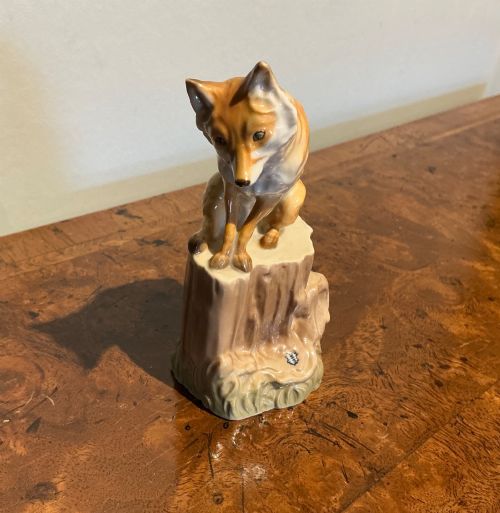
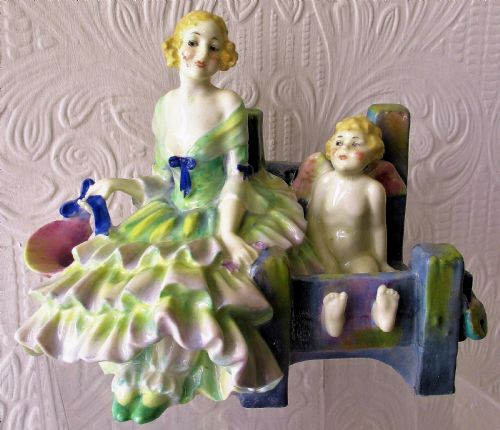
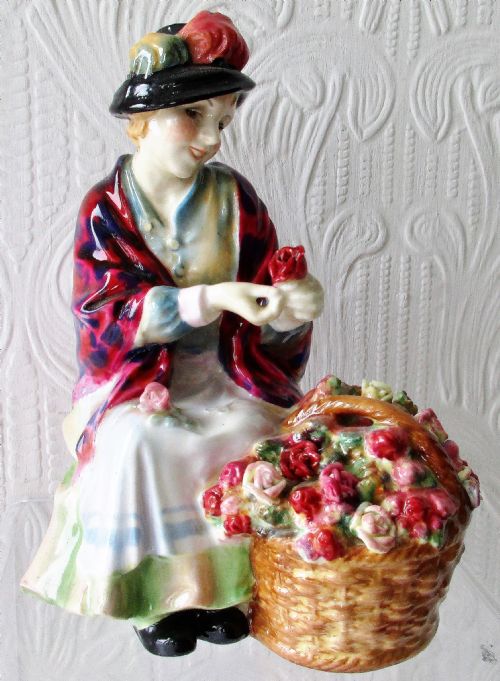
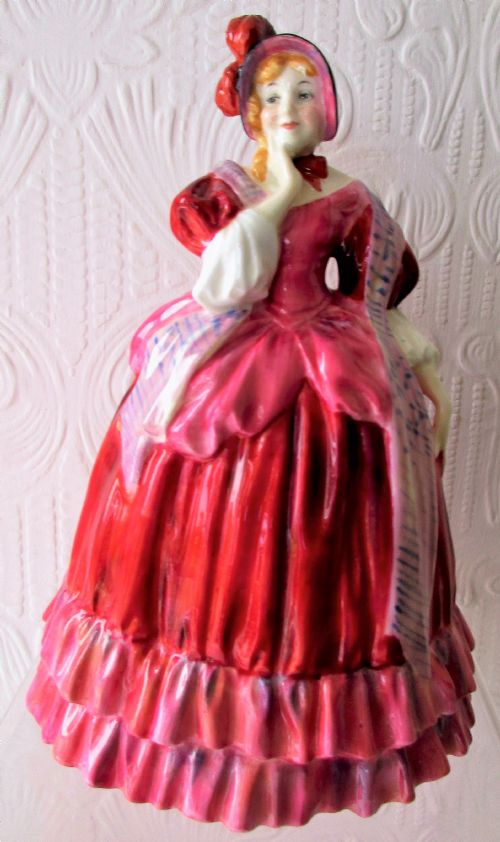
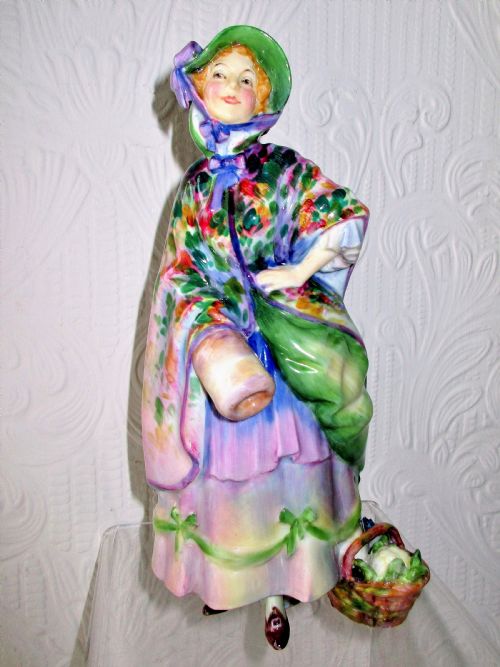
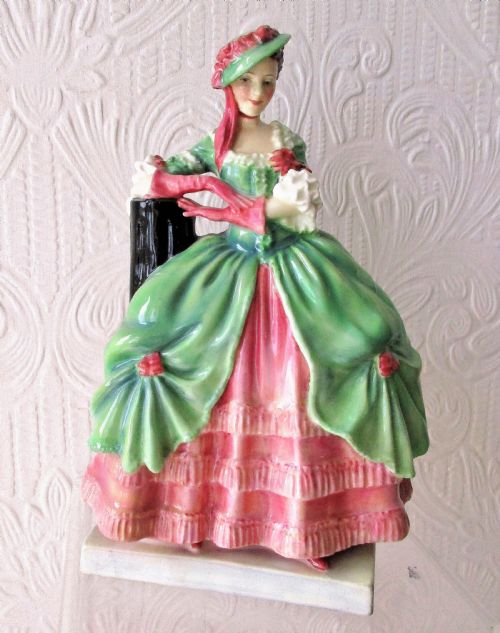
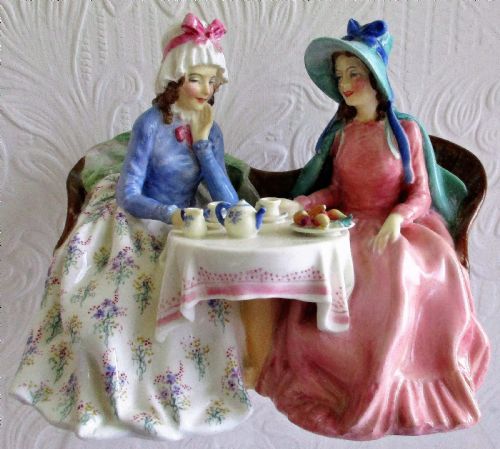
You are most likely to meet mid-century English porcelain figurines by makers such as Royal Doulton alongside nineteenth-century Staffordshire figures and porcelain animals. These objects depict historical figures, market sellers, musicians, and animals modelled with distinct period details.
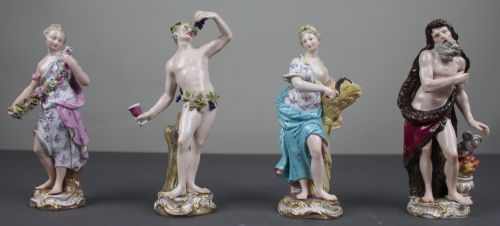
The selection extends from delicate cabinet pieces to larger decorative groups, reflecting changing domestic tastes across the nineteenth and twentieth centuries. Each period brings its own modelling conventions, from Rococo Revival curves to Art Deco geometric lines.
Materials and manufacturing methods
The production process combines slip casting or manual moulding with careful brushwork by skilled artisans. Early pieces rely on soft-paste or hard-paste porcelain recipes, while later works utilise refined bone china bodies suited to intricate figurine design.
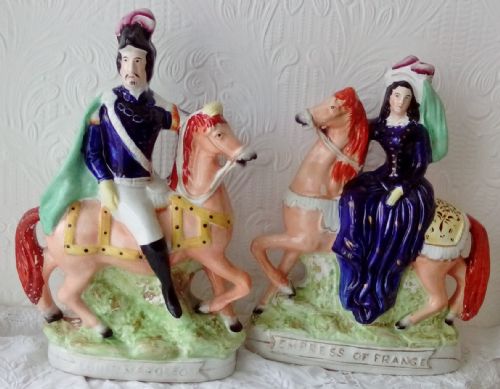
Napoleon and an Empress share shelf space with eighteenth-century wild boars and porcelain dwarves.
Assessing quality in ceramic figures
The complexity of the form and the sharpness of the underlying mould dictate the fidelity of the final sculpture. Well-preserved pigment layers and intact gilding reflect superior workshop standards and careful handling over the decades.
Royal Doulton·Royal Worcester·Meissen·Derby·Samson of Paris·Nymphenburg
The Collectable Porcelain Statue Glossary
- Bone china
- A type of porcelain incorporating bone ash, producing a durable, milky-white body that allows for thinner casting walls. This material forms the base of many twentieth-century English figurines.
- Enamel
- Vitreous pigments applied over the glaze and fired at lower temperatures to achieve vibrant surface colours. These decorative layers bring garments and natural details to life on the figurine.
- Glaze
- A glassy coating fused to the ceramic body during firing to provide a smooth, impermeable finish. It protects the underlying clay or porcelain and gives the surface its characteristic shine.
- Gilding
- The application of gold leaf or powdered gold to highlights, borders, and decorative motifs. It adds a layer of refinement to period figures.
- Hard-paste porcelain
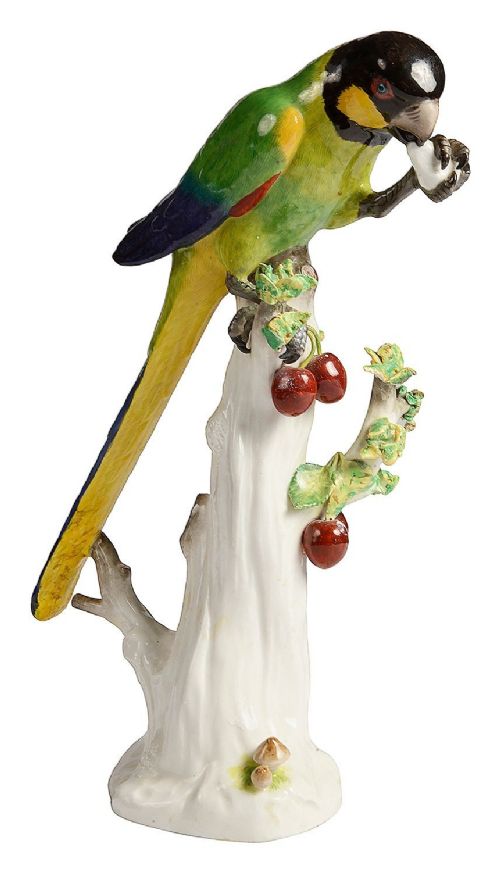
- A dense, vitrified ceramic composition fired at high temperatures using kaolin and petuntse. Originating in China, it became the standard for European factories like Meissen.
Collectable Porcelain Statue: Frequently Asked Questions
How do I clean an antique porcelain figure?
Dust the piece gently with a soft, dry brush to remove surface particles without disturbing delicate enamel or gilt details. Avoid using water or chemical cleaners, particularly on unglazed ceramic areas or older painted surfaces.
If deeper cleaning is necessary, consult a professional conservator to prevent accidental damage to the glaze or bonded repairs. Regular gentle maintenance preserves the original finish far better than washing.
What is the difference between porcelain and earthenware?
Porcelain is fired at much higher temperatures, resulting in a vitrified, non-porous body that is often translucent and rings when struck. Earthenware is a softer, opaque ceramic material fired at lower temperatures and coated in an opaque glaze.
Staffordshire pottery figures are typically earthenware, while Meissen and Royal Doulton figures utilise porcelain or bone china. This material distinction affects both the weight and the crispness of the modelled details.
How can I date my ceramic figure?
Examine the base of the piece for maker marks, registration numbers, or impressed stamps that correspond to factory archives. Stylistic clues such as costume design, hair styling, and the overall aesthetic movement also provide a reliable temporal window.
Comparing the glaze type and painting style with documented pieces from known makers narrows down the production period. Secondary indicators like shape numbers and colour palettes help confirm the decade of manufacture.
Where should I display porcelain figures?
Place statues in stable environments away from direct sunlight and areas subject to rapid temperature fluctuations. Enclosed cabinets protect delicate extremities and protruding details from accidental knocks and dust accumulation.
Ensure shelves are level and secure to prevent vibrations from shifting heavier ceramic sculptures. Proper placement allows safe enjoyment of the fine details and hand-painted colours.