



Hand Painted China Ornament
When you search for hand painted china ornament, you are looking at figurative porcelain and ceramic works shaped into people, animals, and vases.
Hand Painted China Ornament
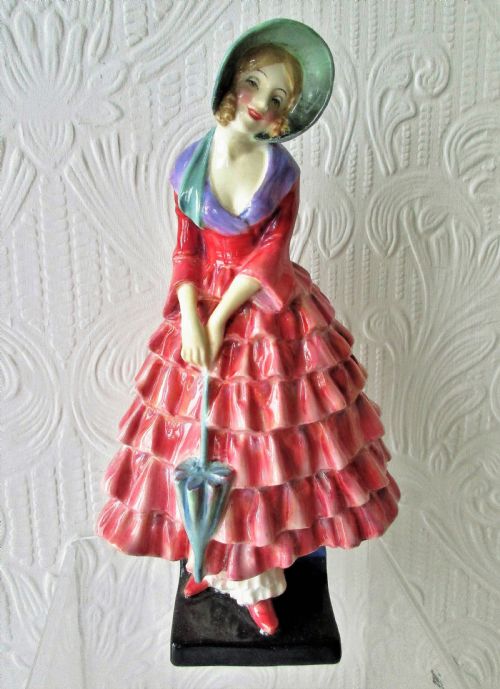
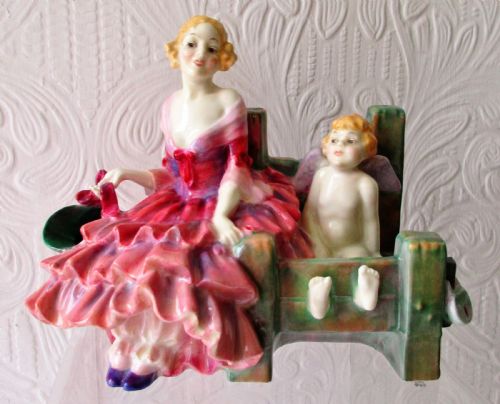
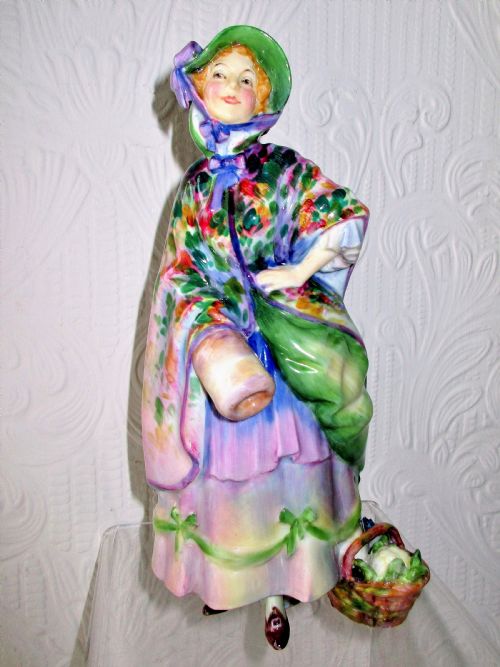
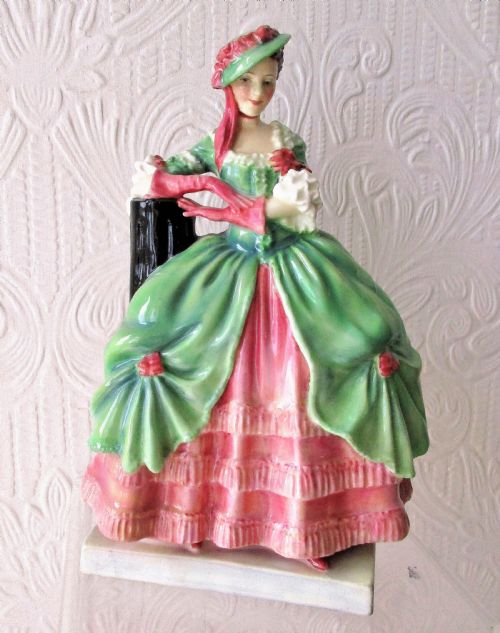
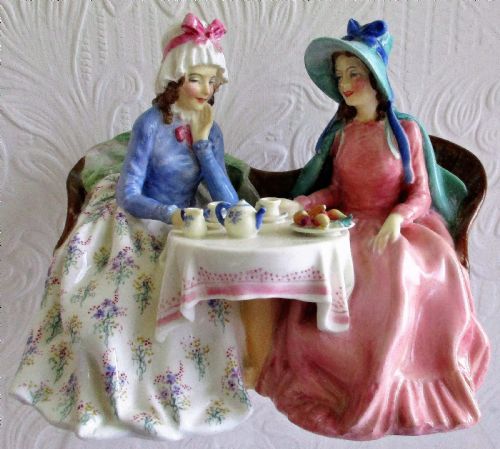
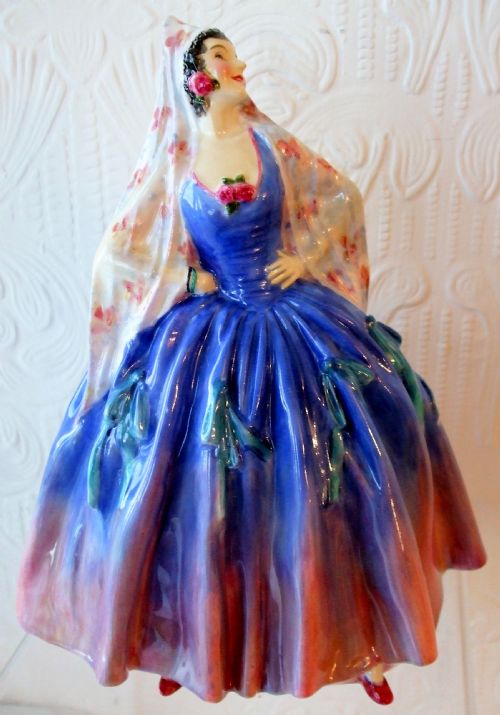
A hand painted china ornament encompasses nineteenth-century figures, twentieth-century figurines, and decorative vases originating from English, French, and German workshops. The most frequent examples on this page are porcelain figurines and statuettes produced by factories such as Royal Doulton, Meissen, and Dresden.
Buyers encounter distinct forms ranging from Staffordshire dogs and pair groupings to allegorical and pastoral subjects. These items span Victorian, Art Deco, and Rococo Revival styles across the nineteenth and twentieth centuries.
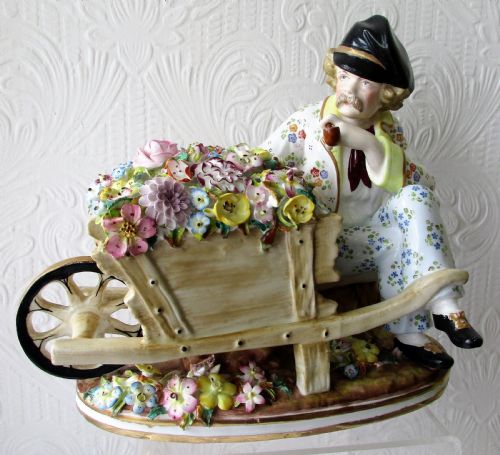
Selections include miniature vases alongside larger figurine groups depicting garden scenes and historical characters. Each piece demonstrates specific period aesthetics through painted details and modelled ceramic bodies.
What varies in quality
The sophistication of the form distinguishes standard production from superior artistry. Well-executed figures maintain proportion and balanced postures across complex groupings and detailed garments.
Several Victorian figures depict canine companions standing guard in pairs.
Royal Doulton·John Bevington·Chantilly·Helena Wolfsohn Dresden·Meissen·Volkstedt·Minton·Royal Worcester
The Hand Painted China Ornament Glossary
- Biscuit Porcelain
- Unglazed porcelain fired to a matte, porous finish that resembles marble. This material highlights the fine contours of modelled figures.
- Bone China
- A type of porcelain incorporating bone ash for added strength and a characteristic milky translucency. It forms the body of many twentieth-century English figurines.
- Enamel
- Opaque vitreous material fused to the ceramic surface through firing. It provides the vibrant colours seen on painted garments and floral motifs.
- Gold Leaf
- Very thin sheet gold applied to decorative elements and borders. It brings metallic brilliance to highlights and trim.
Hand Painted China Ornament: Frequently Asked Questions
What is a hand painted china ornament?
It is a decorative ceramic object, typically a figurine or vase, shaped from porcelain or bone china and finished with hand-applied enamel colours.
These pieces range from nineteenth-century Victorian figures to twentieth-century English and continental porcelain.
How do I identify the maker?
Makers are often identified by painted or impressed factory marks found on the underside of the base. Stylistic clues in the modelling and painting also point to specific workshops.
Signatures or numbers, such as Royal Doulton HN codes, help date and attribute individual figurines.
Where were these pieces made?
Production centres include England, Germany, and France, with factories such as Meissen, Royal Worcester, and Staffordshire creating distinct regional styles.
English manufacturers favoured domestic characters and animals, while German and French workshops produced pastoral and allegorical groups.
How should I display them?
Display these items on stable shelves or within cabinets away from direct sunlight to protect the enamel colours and gold leaf. Ensure they are placed where accidental knocks are avoided.
Grouping pairs or matching figures from the same period creates a balanced decorative arrangement.