

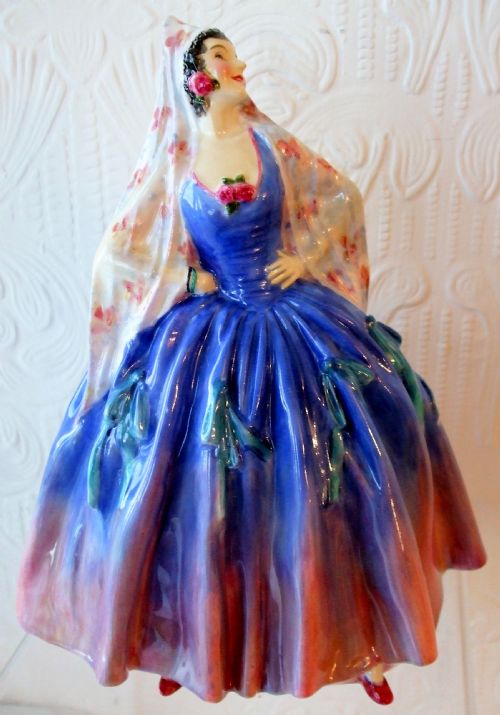


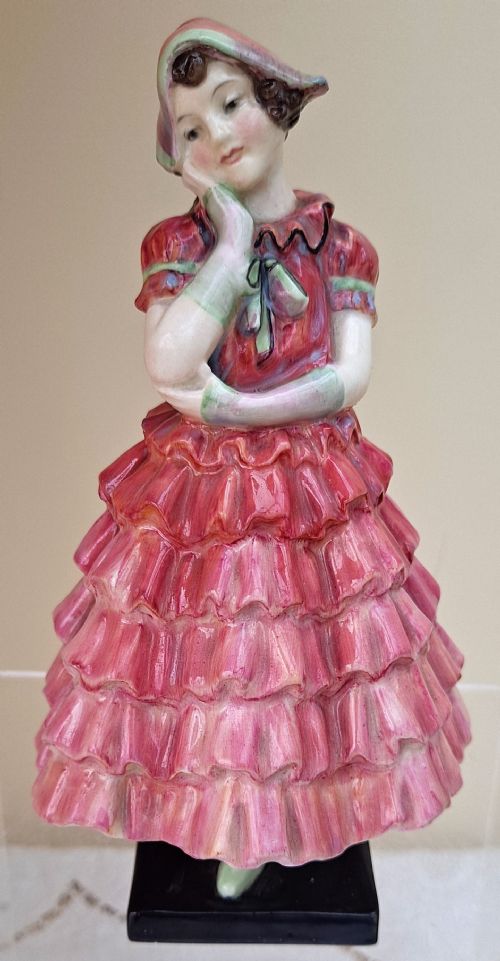


Royal Doulton Lady Figurine
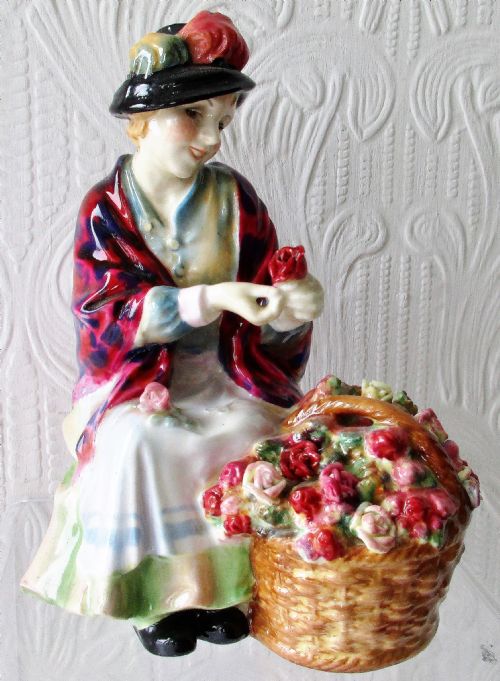
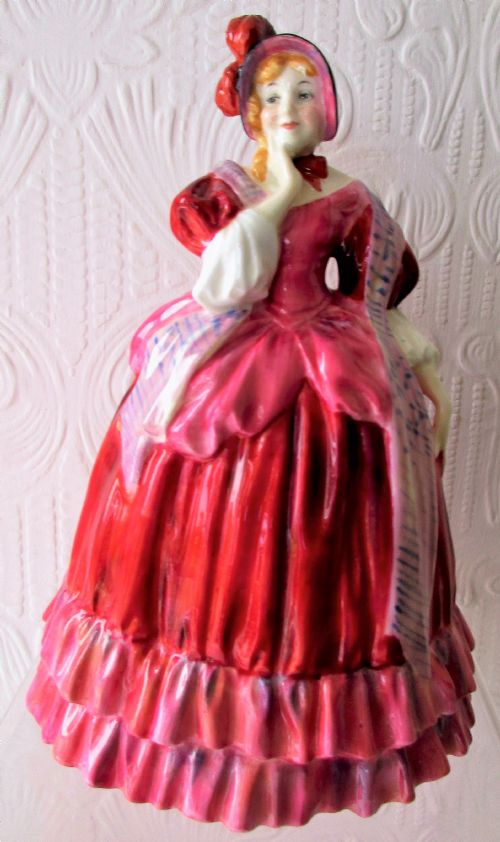
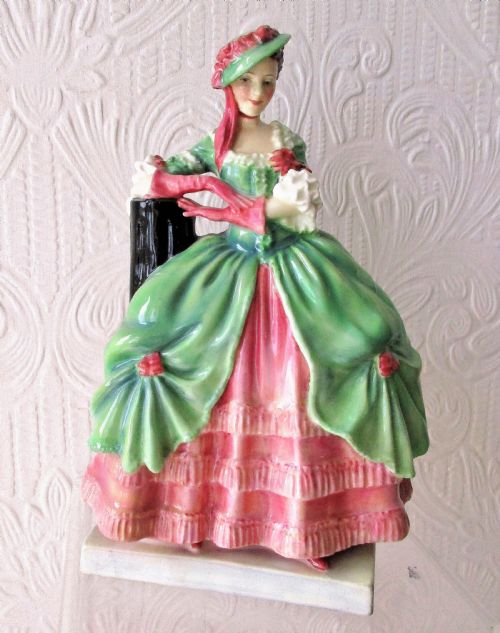
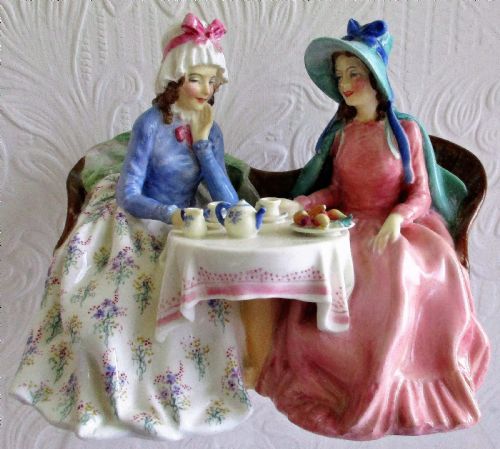
These porcelain royal doulton lady figurine examples bring mid twentieth century character to a mantelpiece with painted detail and named subjects.
Royal Doulton Lady Figurine
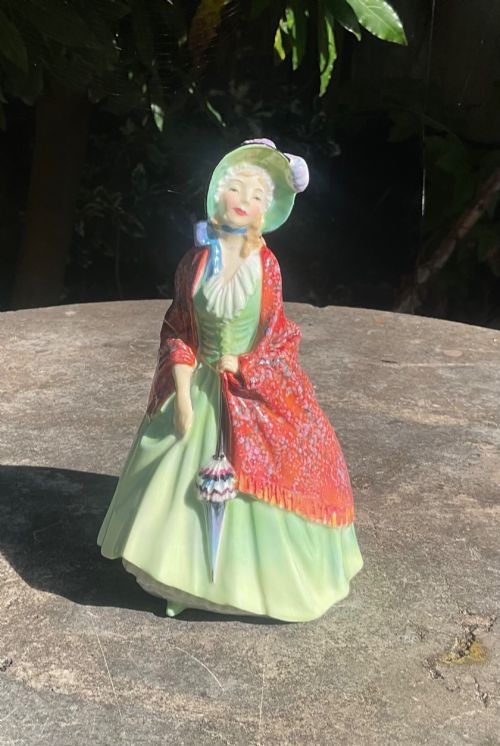
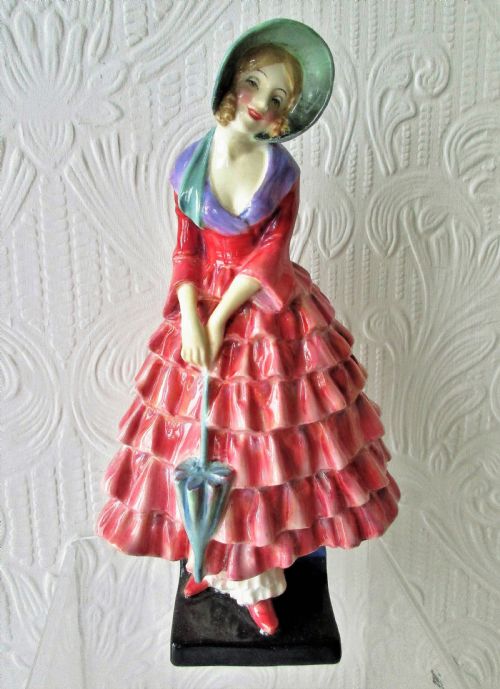
A royal doulton lady figurine is a ceramic decorative object produced in English porcelain during the nineteen thirties and nineteen forties. These pieces depict female figures with titles such as Chloe, Priscilla, and Quality Street, often associated with specific HN numbers recorded in the titles.
The versions most commonly met on this page belong to the Art Deco, early twentieth century English, and Regency revival styles. They capture historical and literary costumes through glazed ceramic surfaces.
Makers and designers produced these porcelain figurines as decorative items for domestic interiors. Each piece carries a specific title that identifies the particular character or scene represented.
How they were made
The construction relies on bone china and porcelain, shaped into decorative figurines and fired as ceramics. Glaze and ceramic glaze provide the smooth outer surface that seals the body.
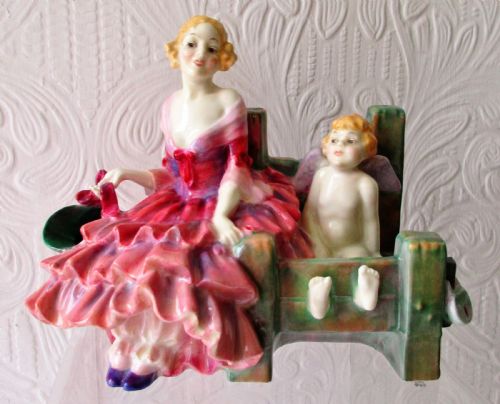
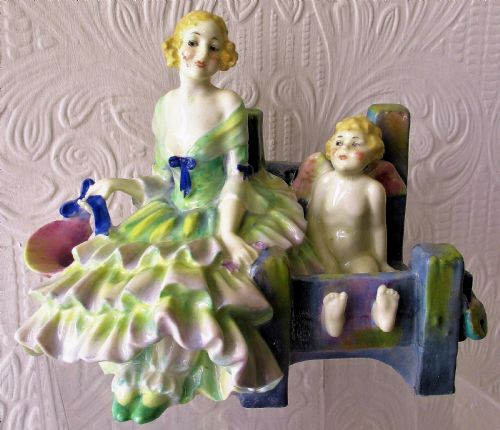
One lady stands permanently caught in the stocks.
What varies in quality
The depth and consistency of the ceramic glaze influence the visual appeal of the finished piece. Early versions and specific production years introduce variations in finishing that distinguish one figure from another.
Royal Doulton
The Royal Doulton Lady Figurine Glossary
- HN number
- A registration code used to identify specific figurine designs and production runs. This numbering system helps collectors date and authenticate individual pieces.
- Bone china
- A type of soft paste porcelain containing bone ash, known for its high strength and translucency. It forms the structural base for many English decorative figurines.
- Glaze
- A vitreous coating fused to ceramic pottery to form a smooth, impermeable surface. It protects the underlying porcelain and gives the figurine its characteristic sheen.
- Regency revival
- A decorative style looking back to the Regency period for inspiration in costume and form. It influences the drapery and posture of several figures from this era.
Royal Doulton Lady Figurine: Frequently Asked Questions
How do I date a royal doulton lady figurine?
Dating relies on the recorded production periods of the nineteen thirties and nineteen forties, alongside specific HN numbers found in the titles. These markers link each piece to its original manufacturing era.
Changes in backstamps and colourways also help determine the age of individual ceramic figurines.
What materials are used in these figurines?
The pieces utilise bone china and porcelain as the primary ceramic body. A protective glaze seals the surface and provides a smooth finish.
Enamel is applied over the glaze to add colour to the clothing and facial details of the ladies.
What styles influence these porcelain figures?
The styling draws upon Art Deco, early twentieth century English tastes, and Regency revival motifs. These movements shape the clothing, hairstyles, and overall postures of the subjects.
Costumes often reference historical literature or traditional dress from earlier centuries.
How should I display a figurine at home?
Place the porcelain pieces on a stable mantelpiece or shelf away from direct sunlight to protect the enamel colours. Ensure the display area has adequate room to view the painted details from multiple angles.
Keeping the figurines in a dust-free environment helps preserve the glazed ceramic surface over time.