


Porcelain Allegorical Figures
Porcelain allegorical figures capture complex themes like the seasons and continents in modelled ceramic form.
Porcelain Allegorical Figures
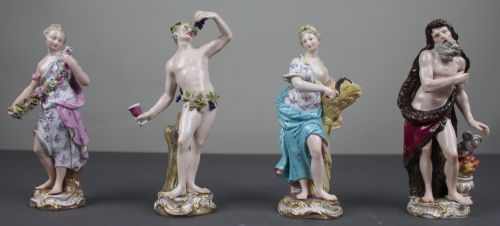
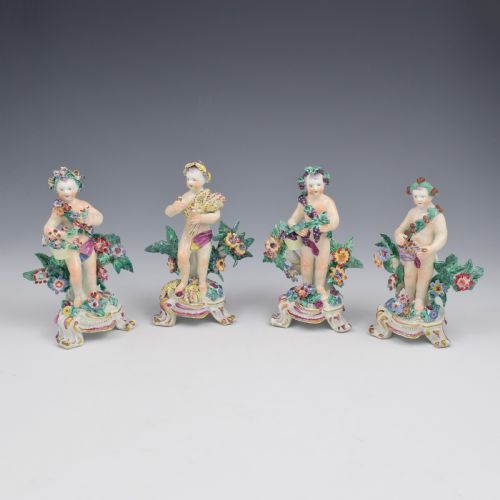
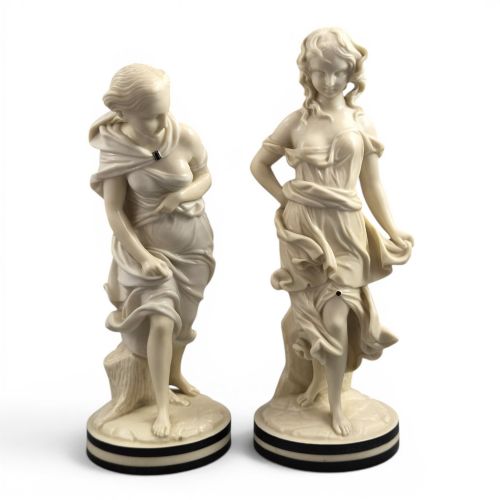
Porcelain allegorical figures depict personifications of abstract concepts such as the Four Seasons, elements, months, and continents in modelled ceramic form. These sculptural pieces take the shape of standing putti, rustic figures, or figure groups representing themes like Autumn, Water, Asia, and Father Time. Buyers encounter individual statuettes, pairs, and complete sets originating from historic European factories.
The objects span the eighteenth and nineteenth centuries, encompassing Georgian, Victorian, and Rococo Revival aesthetics. Eighteenth-century examples include works from Bow, Chelsea, and Derby, whilst nineteenth-century pieces feature productions from Meissen, Volkstedt, Dresden, and Samson of Paris. Candlesticks and candelabra frequently incorporate these sculptural figures into functional lighting forms.
Eighth-century productions often present individual figures or partial series representing seasonal cycles and geographic continents. Nineteenth-century interpretations frequently emulate earlier eighteenth-century Chelsea, Derby, or continental prototypes through revival styles. These decorative statuettes served primarily as ornamental table or mantelpiece displays for elite interiors.
Materials and Technique
Manufacturers utilised hard-paste and soft-paste porcelain bodies to shape these sculptural compositions. Artisans modelled the intricate details of drapery, flora, and facial expressions by hand before kiln firing.
Enamel colours and gilding with gold leaf highlight the surface details, accents, and clothing of the figures. Many examples incorporate painted enamel palettes combined with applied floral elements and moulded scrollwork pedestals.
Father Time occasionally stops clipping Cupid's wings long enough to feature on a monumental porcelain table group.
Quality Variations
The application of enamel painting and gold leaf gilding varies considerably across factories and periods. Finely hand-painted polychrome details elevate the visual depth of the costume and symbolic attributes compared to simpler, flatter surface decoration.
Meissen·Bow Porcelain·Royal Worcester·Volkstedt·Samson·Carl Thieme·Chelsea·Derby Porcelain·Achille Mollica·Royal Berlin
The Porcelain Allegorical Figures Glossary
- Putti
- Plumed or unwinged infant male figures often used to represent seasons or playful mythological concepts. They appear frequently in eighteenth-century sets.
- Soft-Paste Porcelain
- A vitreous ceramic composition developed in Europe prior to the discovery of hard-paste porcelain formulas. It possesses a warm glaze appearance.
- Gilding
- The application of gold leaf or powdered gold to ceramic surfaces. This technique highlights raised scrollwork and garment borders.
- Rococo Revival
- A nineteenth-century design movement resurrecting the asymmetrical scrolls, C-curves, and naturalistic motifs of the eighteenth-century Rococo period.
Porcelain Allegorical Figures: Frequently Asked Questions
What do these porcelain figures represent?
These figures symbolise abstract ideas, including the four seasons, the continents, and the elements. Eighteenth and nineteenth-century manufacturers used human and putti forms to personify these themes.
Common subjects depict seasonal labour, geographic regions like Asia and America, or philosophical concepts such as Father Time. Each attribute held a specific allegorical meaning for historic viewers.
How were these figures used originally?
Historic households displayed these ceramic sculptures on mantelpieces, side tables, and dining room centrepieces. Some configurations incorporated functional candle holders into the sculptural base.
Owners arranged them in matched pairs or complete sets representing cyclical themes like the four seasons. They functioned primarily as conversation pieces reflecting the owner's erudition.
How do I tell an 18th-century piece from a 19th-century revival?
Eighteenth-century examples from factories like Bow and Derby display the softer paste bodies and spontaneous modelling characteristic of early English porcelain. Nineteenth-century revival pieces often exhibit heavier porcelain bodies and brighter, more uniform enamel palettes.
Examining the base and factory marks helps differentiate period originals from nineteenth-century Continental copies or Samson imitations. The crispness of the modelled details also offers clues to the date of manufacture.
How should I display them at home?
Place these delicate porcelain pieces on stable surfaces away from high-traffic areas and direct sunlight. Grouping pairs or series together preserves their original narrative context.
Ensure adequate clearance around protruding elements like branches or candles if the piece functions as a candlestick. Gentle dusting with a soft brush maintains the enamel and gilt surfaces.