


Gilded Porcelain Candlesticks
These gilded porcelain candlesticks bring sculptural elegance and rich historical detail to any mantelpiece.
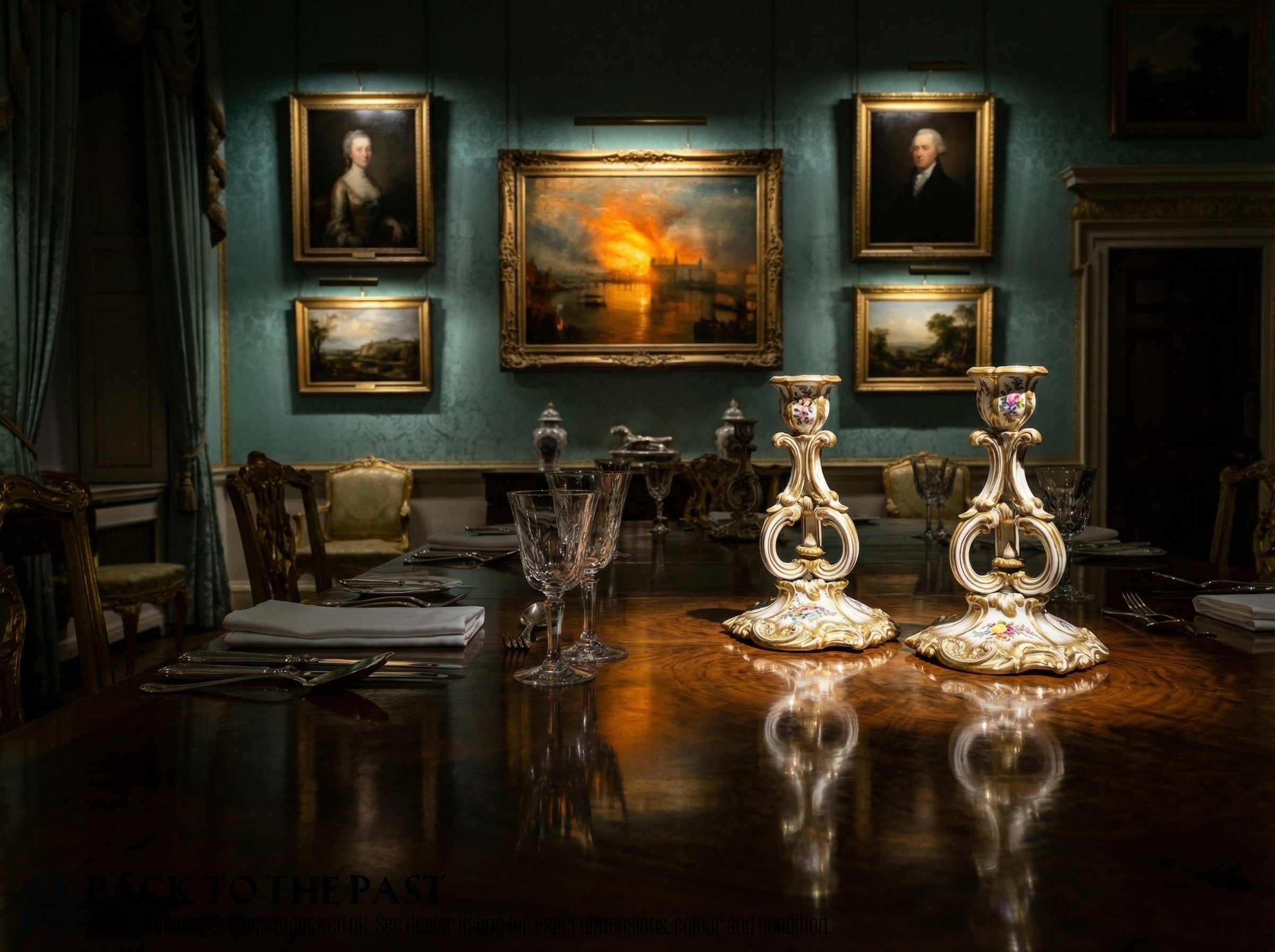
What these pieces are
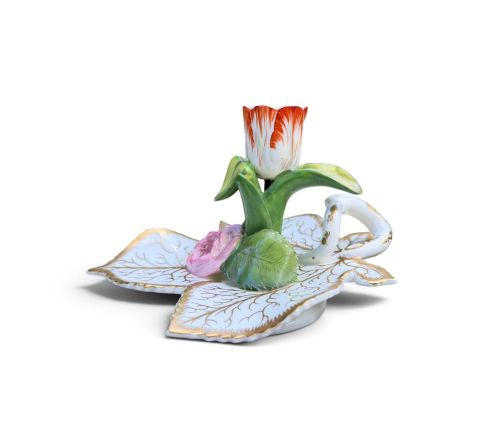
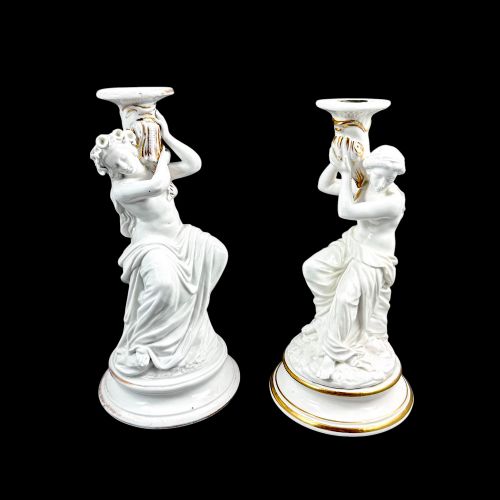
Gilded porcelain candlesticks combine delicate ceramic bodies with gleaming metallic highlights. They appear in forms ranging from simple candleholders to elaborate figural groups and multi-branch candelabra.
The examples gathered here span the Georgian and 19th-century periods, capturing shifts in design from mid-eighteenth-century origins through later Victorian revivals.
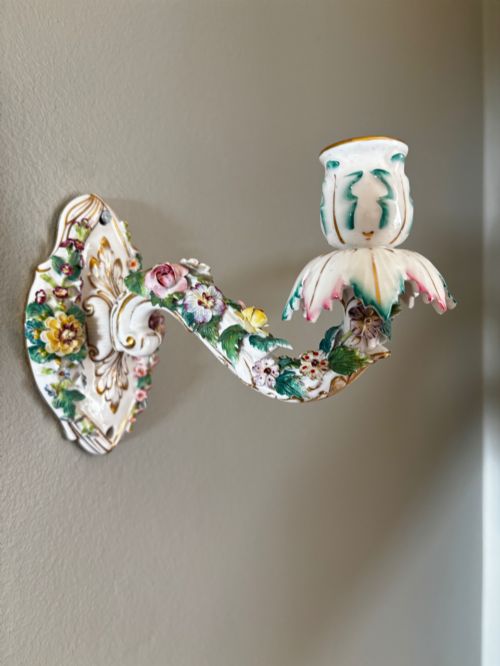
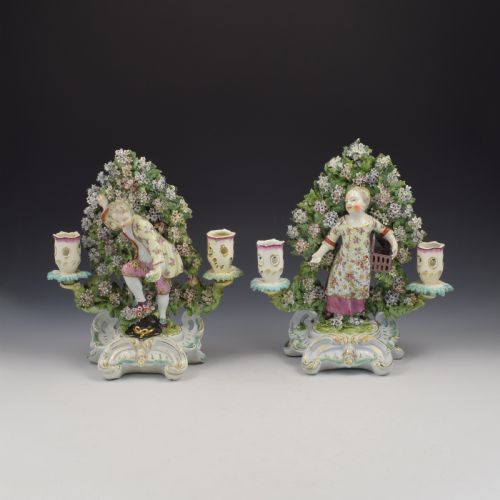
Makers working within Rococo and Rococo Revival styles shaped these gilded porcelain candlesticks with curving lines and naturalistic motifs like bocage foliage.
How they were made
Potters shaped these pieces using hard-paste and soft-paste porcelain clay bodies. Artisans applied enamel paints and detailed gold leaf or gold gilt highlights to the fired ceramic surface.
Moulding and hand-modelling created complex forms such as allegorical figures, musicians, and cherubs. Firing fixed the delicate colours before the final gilding process added metallic brilliance.
Retail Price Guide 2026
Typical UK retail prices for gilded porcelain candlesticks, calculated from the Sellingantiques database of over a million retail prices indexed since 2003. This retail price guide relies exclusively on Sellingantiques data; no external sources or auction records are used, so the figures do not describe the wider market.
Bagpipe players and cherubs keep a watchful, musical eye over your melting wax.
What varies in quality
The refinement of the modelling and the precision of the hand-painted enamel work set superior examples apart. Crisp details in the facial expressions and botanical elements show greater artisan skill.
The richness and preservation of the gold leaf or gilt layers distinguish finer objects. Heavier, more complex sculptural compositions like multi-branch candelabra reflect higher ambition in the workshop.
Volkstedt Porcelain·Derby·Bow·Meissen·Minton
The Gilded Porcelain Candlesticks Glossary
- Bocage
- An ornamental background of carved or modelled foliage and leaves surrounding figures in porcelain. This style appears frequently on eighteenth-century English pieces.
- Soft-paste porcelain
- An artificial ceramic paste fired at lower temperatures than hard-paste porcelain. It has a warm, slightly translucent appearance typical of early English factories.
- Gilt
- A thin layer of gold applied to the surface of porcelain for decoration. It provides the characteristic metallic sheen seen on these candlesticks.
- Candelabra
- A branched candlestick designed to hold multiple candles at once. These larger objects often feature elaborate figural arrangements.
Frequently Asked Questions
How do I clean gilded porcelain candlesticks safely?
Dust these delicate objects gently using a soft, dry brush. Avoid water or chemical cleaners that might damage the fragile enamel paints and gold leaf.
Keep them away from direct sunlight and heat sources to preserve the nineteenth-century materials. Regular, gentle maintenance protects the surface from accumulating stubborn grime.
Can I still use these candlesticks for real candles?
While these pieces were originally functional lighting items, modern use requires extreme caution. Dripping wax can stain or dislodge historic enamel and gilding.
Many collectors prefer to display them unlit as pure sculptures. If you do use candles, ensure they fit securely without touching the porcelain body.
How do I tell an eighteenth century piece from a nineteenth century revival?
Eighteenth-century items often utilise soft-paste porcelain with hand-modelled bocage and softer enamel palettes. They reflect the spontaneous energy of early Rococo design.
Nineteenth-century revival pieces tend to feature harder ceramic pastes and sharper, more mechanical moulding. Understanding factory marks helps confirm the exact manufacturing period.