


French Ceramic Statues
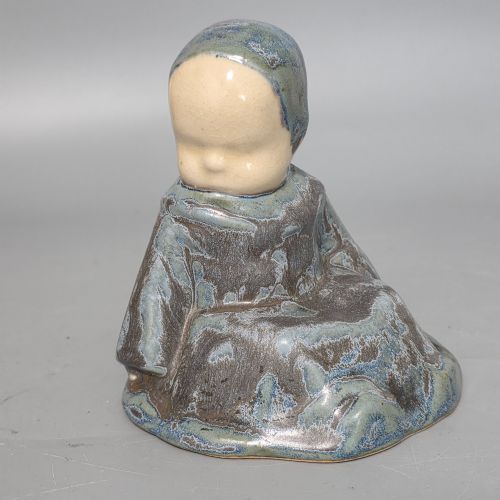
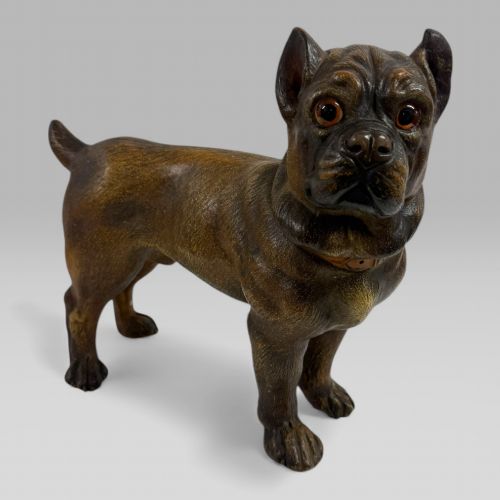
These French ceramic statues span delicate bisque porcelain groups and robust terracotta figures, offering an enduring touch of Continental character to a room.
French Ceramic Statues
French ceramic statues encompass a varied group of figures, busts, and sculptural groups originating from Parisian workshops and regional kilns. Collectors frequently encounter 19th-century porcelain pieces alongside 20th-century earthenware and stoneware animals.
The selection ranges from romantic pairs and allegorical figures modelled after earlier Chelsea or Derby styles to robust terracotta cats and folk art pottery. These pieces served as decorative mantel ornaments or centrepieces in period drawing rooms.
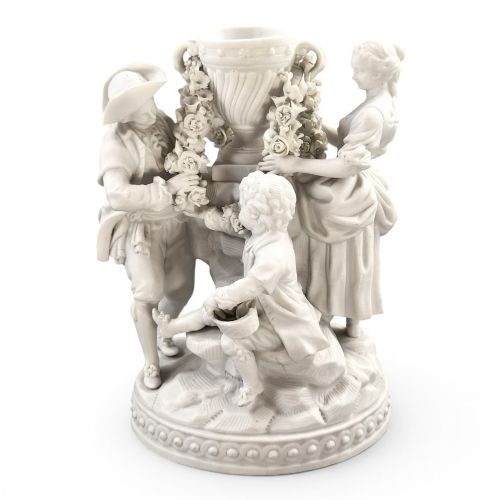
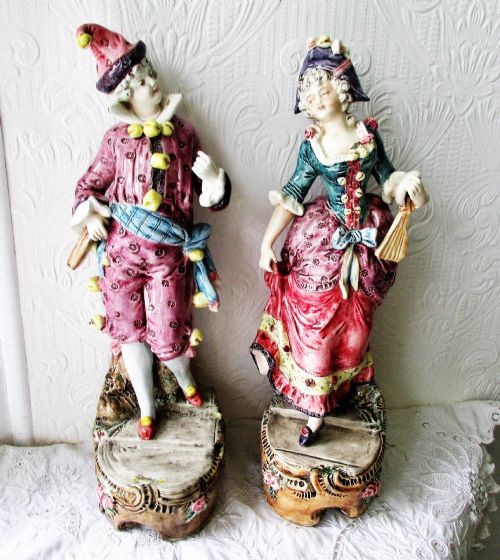
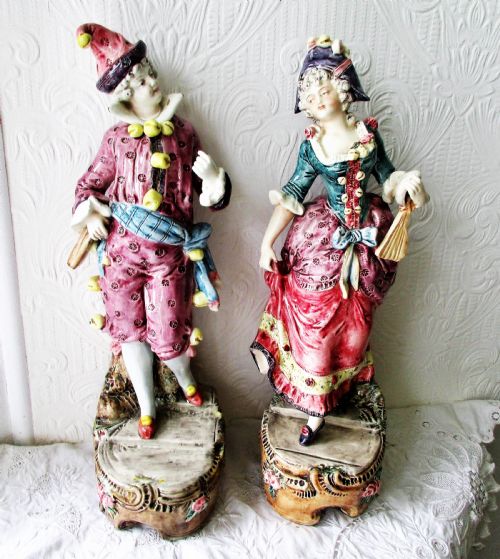
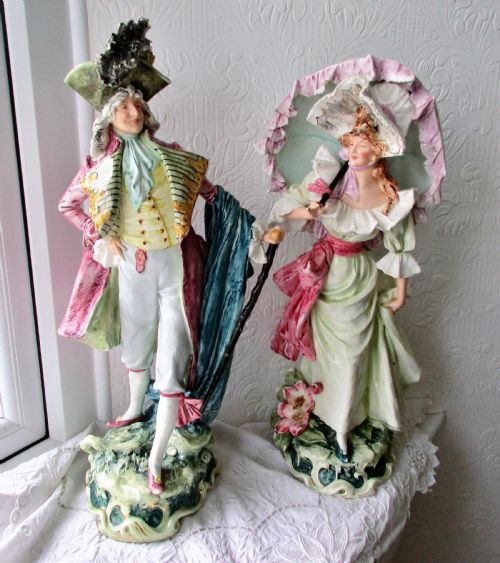
Nineteenth-century examples often lean towards Rococo Revival or Neoclassical tastes, depicting gallants, musicians, and historical personages. Later 20th-century items bring Art Deco animalier designs and stylised figures into the mix.
How They Were Made
Many of these statues utilise fine porcelain or unglazed bisque porcelain, which yielded a matte, marble-like finish suited to classical busts and intricate lace groups. Artisans also employed glazed earthenware, terracotta, and faience, frequently applying hand-painted pigments and gold leaf details.
Moulding and hand-modelling defined the production process in workshops such as those in Paris, Quimper, and Bavent. Sculptors shaped clay or poured slip into moulds before firing, subsequently adding enamel paint and glazes for final surface definition.
Roof tiles rarely get to mingle with high art, yet French folk art pottery cats once kept watch from chimney tops.
What Varies in Quality
The standard of modelling dictates much of the appeal, with superior figures exhibiting sharply defined facial expressions, delicate hand-painted polychrome details, and well-executed lace work. Lesser examples may display softer mould lines and heavier, less nuanced paint application.
The reputation of the maker or studio significantly influences desirability, as works originating from established Parisian porcelain houses or signed by known sculptors command greater attention from collectors.
Berthe Savigny·Bourdois & Bloch·Letu & Mauger·Samson·Vion et Baury·Georges Morin·Luca Madrassi·Joseph Constant
The French Ceramic Statues Glossary
- Bisque Porcelain
- Unglazed fired porcelain that possesses a smooth, matte texture resembling marble. It became particularly popular during the nineteenth century for detailed sculptural figures and portrait busts.
- Terracotta
- Fired, brownish-red earthenware clay used for sculptural works and architectural pottery. It offers a warm, earthy tone that artists often painted or left in its natural state.
- Faience
- Tin-glazed earthenware decorated with opaque coloured enamels. This technique allows for vibrant surface patterns on decorative figurines and wares.
- Animalier
- A 19th-century artistic genre focusing on the realistic portrayal of animals. Sculptors rendered beasts such as cats, bulls, and dogs with careful attention to natural anatomy.
- Vieux Paris
- A term applied broadly to porcelain produced by various independent workshops and factories in and around Paris before the mid-nineteenth century. These items often feature bright gilding and hand-painted floral motifs.
French Ceramic Statues: Frequently Asked Questions
How were antique ceramic figures used?
Historically, these statues served as decorative ornaments on mantelpieces, side tables, and cabinets within domestic interiors. Wealthy households displayed them to signal cultural refinement and appreciation for classical or pastoral themes.
Larger sculptural groups often functioned as centrepieces for dining tables or drawing rooms, while robust terracotta versions sometimes served functional exterior roles as roof tiles.
How do I care for antique porcelain?
Display porcelain and terracotta figures away from direct sunlight and areas subject to sudden temperature fluctuations to protect painted surfaces and glazes. Dust them gently with a soft, dry brush.
Avoid using water or liquid cleaners, particularly on unglazed bisque porcelain or pieces with delicate hand-painted enamel and gold leaf, which can lift or stain easily.
How can I tell different periods apart?
Stylistic cues and material choices provide strong indicators of age, with 19th-century pieces frequently favouring Rococo Revival forms, crisp bisque, or elaborate hand-painted polychrome decoration. Early 20th-century examples often shift towards Art Deco geometries or regional folk art traditions.
Maker's marks, impressed stamps, and factory signatures found on the bases help narrow down the production era and origin workshop.