


French Faience Figures
These french faience figures are tin-glazed earthenware sculptures and decorative objects offering a distinct touch of continental charm and colour.
French Faience Figures
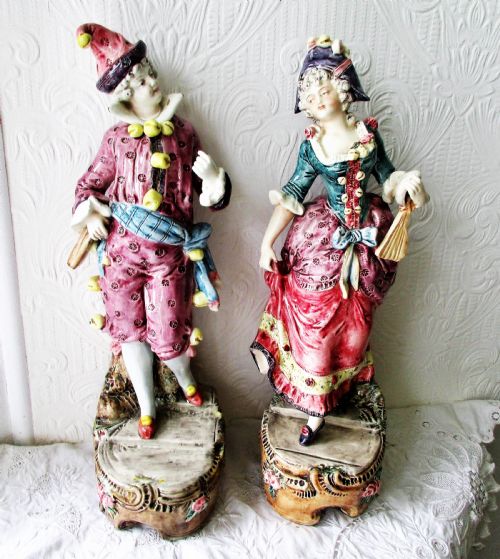
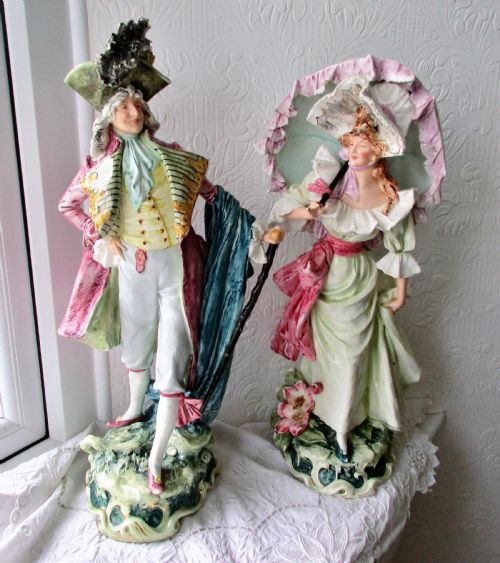
When you search for french faience figures, you encounter a selection of glazed ceramic pieces spanning the nineteenth and early twentieth centuries. These objects include pairs of figurines depicting galants and ladies, carnival subjects, animal sculptures, water pitchers, and pin trays.
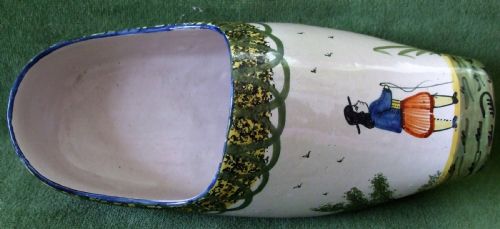
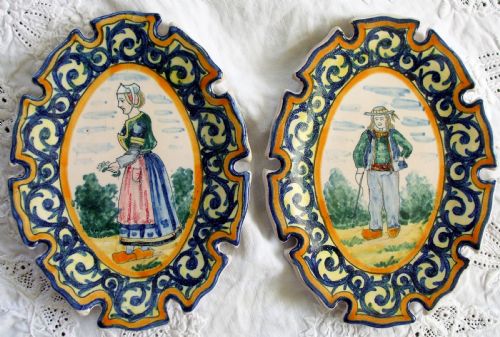
The items here represent various regional traditions and stylistic revivals, including Quimper works, Gien productions, and Niderviller pieces. You are most likely to meet nineteenth-century earthenware and faience examples alongside items from around nineteen hundred and nineteen thirty.
How they were made
The makers formed these pieces using earthenware, terracotta, and ceramic bodies, finishing them with tin glazes and enamel decoration. Artisans shaped sculptural forms such as cats, pigs, water pitchers, and human figures by hand or in moulds.
Roof tiles in Normandy gained spirited feline guardians when potters shaped terracotta cats to peer down from house ridges.
What varies in quality
Quality rests primarily in the fineness of the painting and the crispness of the moulded details on human and animal subjects. Pieces with hand-painted facial expressions and carefully rendered garments sit above simpler, mass-produced items.
The preservation of the original tin glaze and enamel surface also dictates the standing of a piece. Finer examples display even glazing and vibrant colours without excessive wear to the painted decoration.
HB Quimper·HR Quimper·Gien Faience·Niderviller Porcelain·Bavent Normandy
The French Faience Figures Glossary
- Faience
- Tin-glazed earthenware produced in France and other European countries, known for its opaque white or coloured background and painted decoration.
- Earthenware
- Porous pottery fired at a relatively low temperature, serving as the common body material for these figures and decorative objects.
- Glaze
- A glassy coating applied to pottery and fired to seal the porous clay body and provide a smooth or glossy finish.
- Enamel
- Vitreous coloured composition applied over the glaze to add detailed decoration and bright pigments to the ceramic surface.
- Wall Pocket
- A decorative vessel designed to hang flat against a wall, often moulded in animal forms to hold small items or dried flowers.
French Faience Figures: Frequently Asked Questions
What is the difference between faience and porcelain?
Faience uses a porous earthenware body covered in an opaque tin glaze, whereas porcelain is a dense, vitrified ceramic that remains white and non-porous throughout.
French faience figures rely on this earthenware base to support thick, colourful enamel painting rather than the translucent body typical of porcelain.
How are Quimper pieces identified?
Quimper items originate from the town of Locmaria in Quimper, Brittany, and typically feature distinctive hand-painted regional figures in traditional local costume.
Many bear factory initials such as HB or HR on the base, alongside characteristic blue and yellow brushwork.
How should these glazed ceramics be cleaned?
Dust these pieces gently with a soft, dry cloth to prevent any abrasion to the tin glaze and enamel decoration.
Avoid immersing antique earthenware in water or using harsh chemical cleaners, as moisture can penetrate hairline fractures in the old glaze.