
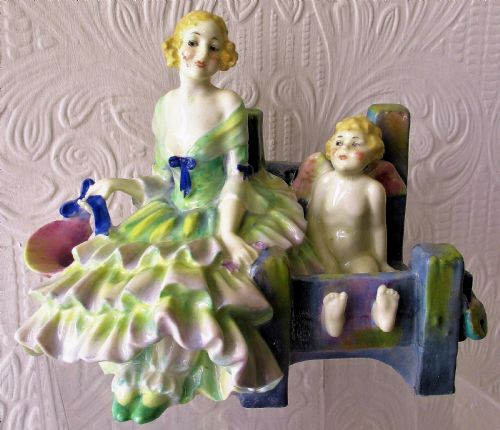
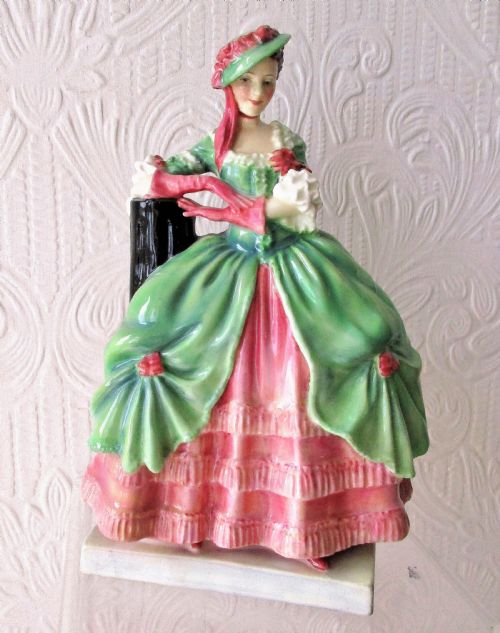


Green Porcelain Lady Figure
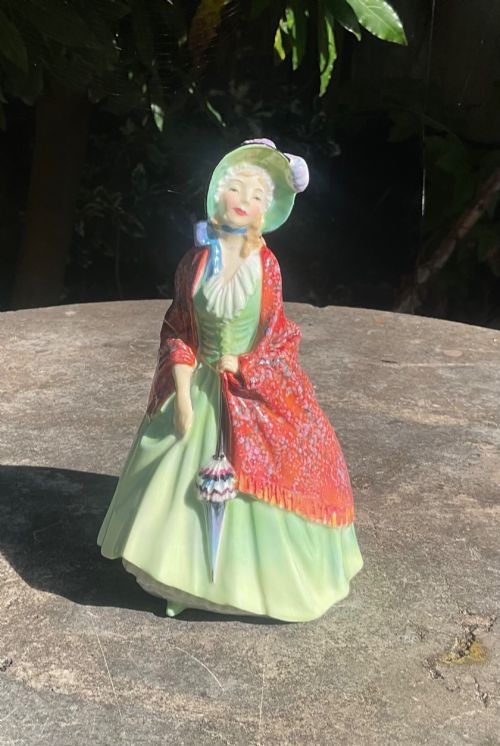
A green porcelain lady figure brings spirited character and graceful form to a mantelpiece, capturing feminine elegance across changing design eras.
Green Porcelain Lady Figure
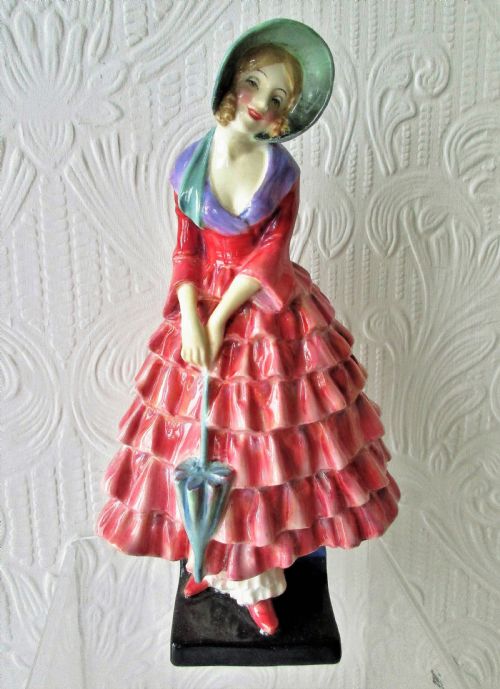
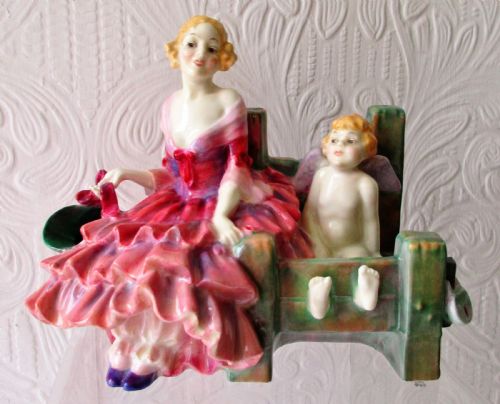
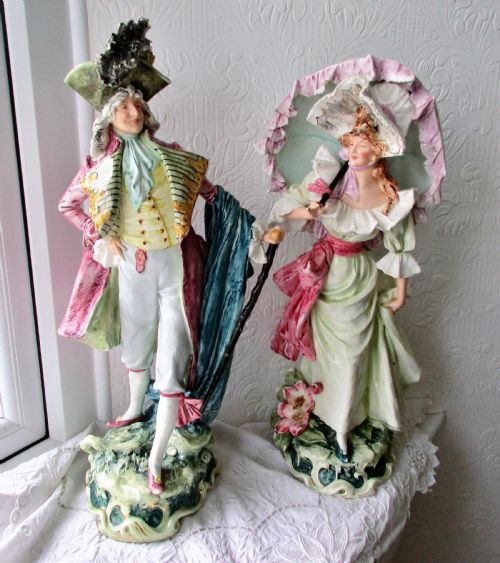
When you search for a green porcelain lady figure, you encounter graceful figurines and vanity sets spanning the nineteenth century through the mid-twentieth century. These pieces encompass delicate bone china, faience, and earthenware creations modelled as ladies, gallants, and dancers.
The versions you are most likely to meet on this page include Art Deco ceramic ladies in characteristic green dresses alongside detailed Royal Doulton porcelain figurines from the nineteen-thirties and nineteen-forties. Earlier nineteenth-century examples also appear, offering contrasting interpretations of female form and drapery.
Makers represented in these listings span English potteries like Royal Doulton, continental European firms such as Ernst Wahliss and Royal Dux, and French faience workshops. Each piece reflects the distinct aesthetic priorities of its period, from Rococo Revival curves to clean Art Deco lines.
How they were made
Potters shaped these figures using porcelain, bone china, earthenware, and faience, applying careful modelling to capture the folds of fabric and the posture of the subject. Skilled hands joined separate cast or moulded components before firing the clay in kilns.
Surface decoration relied upon enamel colours and ceramic glaze, creating the characteristic green tones seen across dresses, scarves, and decorative settings. Artisans painted fine details by hand, bringing individual expression to the faces and garments of each lady.
Listings feature four primary materials: porcelain, bone china, earthenware, and faience.
What varies in quality
Proportion and the balance of the stance play a significant role in the visual success of each lady figure. Pieces that maintain clean lines in their drapery and precise application of enamel demonstrate superior workshop standards.
Royal Doulton·Ernst Wahliss·Royal Dux
The Green Porcelain Lady Figure Glossary
- Bone china
- A type of soft-paste porcelain containing bone ash, known for its bright white body and translucent quality. It allows for delicate modelling in detailed figurines.
- Faience
- Tin-glazed earthenware produced widely in continental Europe. It provides an opaque surface suitable for hand-painted decorative motifs.
- Vanity set
- A collection of matching dressing table accessories, which can include ceramic figures and scent containers. These items combined decorative appeal with practical use.
- Rococo Revival
- A nineteenth-century design style drawing on eighteenth-century French motifs, characterised by asymmetry, scrollwork, and flowing organic curves.
Green Porcelain Lady Figure: Frequently Asked Questions
What periods do these lady figures come from?
The pieces span from the nineteenth century through the nineteen-forties, covering the Victorian era, Art Nouveau, and Art Deco movements.
Each era brought distinct changes in styling, ceramic composition, and the shade of green utilised in the glazes.
How do I care for antique porcelain figures?
Keep them out of direct sunlight to protect the enamel colours and wash them gently with lukewarm water and mild soap when needed.
Avoid abrasive cloths or harsh cleaning agents that might damage the delicate glaze surface.
Are vanity sets functional or decorative?
They served a dual purpose on dressing tables during the early twentieth century, holding cosmetics and perfumes while adding elegance to the room.
Many sets incorporate modelled figures as part of their overall design scheme.
How can I tell Art Deco figures apart from earlier styles?
Art Deco pieces display geometric lines, stylised drapery, and bold solid green dress colours typical of the nineteen-thirties.
Earlier nineteenth-century figures lean towards softer Rococo Revival curves and more naturalistic floral motifs.