



Rococo Porcelain Figurines
Rococo porcelain figurines capture the theatrical flair of the eighteenth and nineteenth centuries, offering charm and intricate detail for the discerning collector.

What They Are
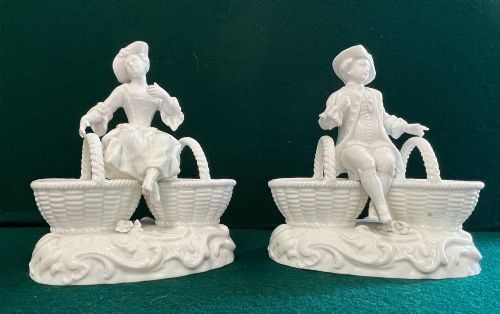
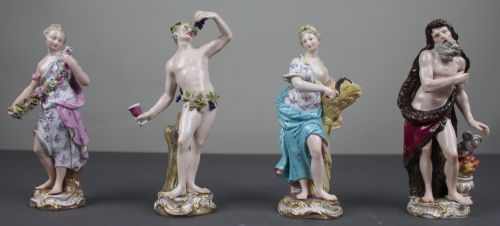
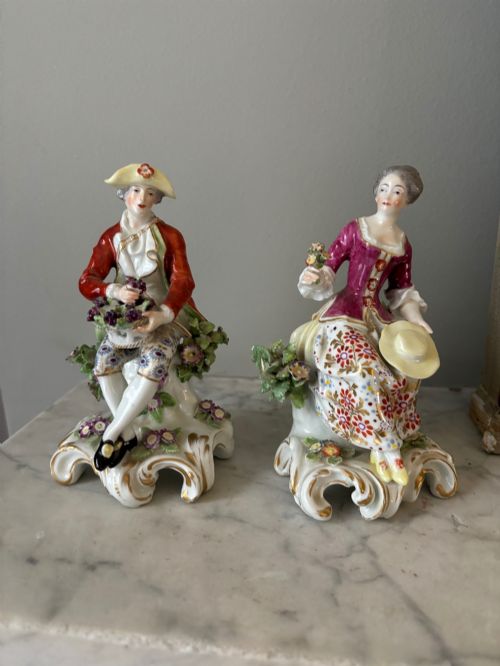
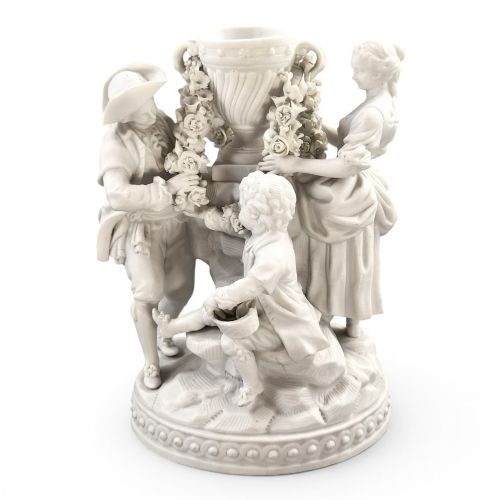
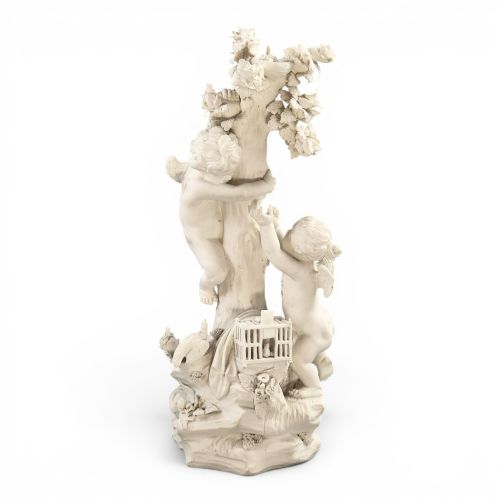
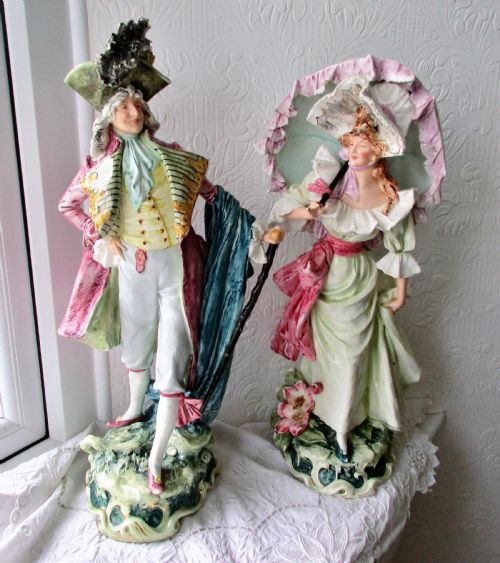
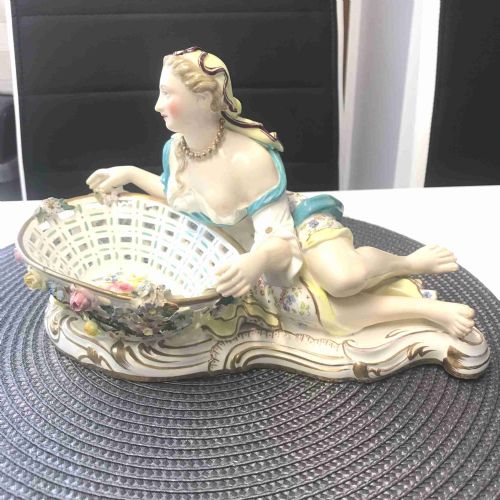
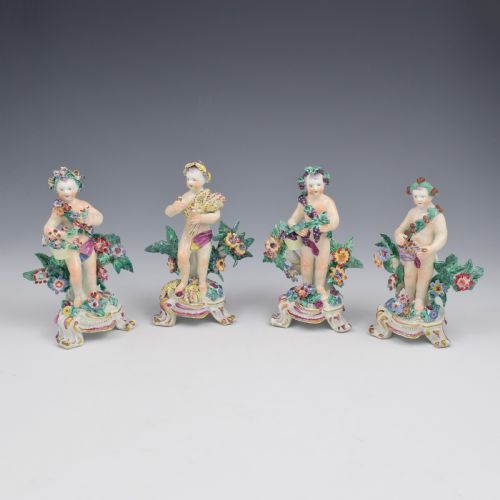
When searching for rococo porcelain figurines, collectors encounter delicate ceramic sculptures depicting dancers, allegorical characters, and sweetmeat dishes. The pieces on this page span the eighteenth and nineteenth centuries, featuring works attributed to factories such as Meissen, Volkstedt, and Bow.
The selection includes pairs of figures dressed in ornate costumes, as well as specialised table pieces like sweetmeat dishes designed to hold confectionery. These objects reflect the French Chateau and Rococo Revival styles popular across European workshops.
Most examples date from the nineteenth century revival period alongside genuine eighteenth century survivals. Buyers are most likely to meet glazed porcelain items enriched with enamel and gold leaf detailing.
How They Were Made
These pieces utilise ceramic and porcelain bases formed into complex figurative shapes. Skilled modellers shaped the clay by hand before applying detailed glazes and firing the works at high temperatures.
Decoration relied upon careful enamel painting to render facial expressions and patterned garments. Many examples received additional embellishment through the application of gold leaf highlights to emphasise sculptural contours.
Listings feature porcelain, ceramic, enamel, and gold leaf materials across eighteenth and nineteenth century periods.
What Varies in Quality
The distinction between standard and superior pieces lies in the crispness of the modelling and the finesse of the hand-painted enamel work. Finer examples display subtle shading on flesh tones and precise application of gold leaf rather than heavy, uniform lines.
The complexity of the original form also dictates the tier of the piece, with multi-figure groupings and elaborate sweetmeat dishes demanding greater technical mastery from the potter than simpler single figures.
Meissen·Volkstedt·Bow·Vion Baury Paris
The Rococo Porcelain Figurines Glossary
- Porcelain
- A white vitrified ceramic material made by firing clay bodies at high temperatures. It provides the smooth, non-porous base characteristic of these figurines.
- Gold Leaf
- Extremely thin sheets of beaten gold applied to raised portions of the design. This technique adds metallic brilliance to trim and accessories.
- Sweetmeat Dish
- A decorative vessel intended for serving small confections or dried fruits. They often incorporate figurative supports fashioned in porcelain.
- Rococo Revival
- A nineteenth-century artistic movement that revived the ornate, asymmetrical curves and playful themes of the earlier eighteenth-century French style.
Frequently Asked Questions
What are rococo porcelain figurines?
Rococo porcelain figurines are ceramic sculptures produced in European factories during the eighteenth and nineteenth centuries. They depict human figures, dancers, and allegorical subjects in theatrical poses.
These decorative objects served as table ornaments and display pieces for wealthy households. They embody the decorative tastes of the Rococo Revival and French Chateau aesthetics.
How do I care for antique porcelain?
Antique porcelain requires gentle handling and placement away from direct sunlight and heavy foot traffic areas. Dusting should be done lightly with a soft, dry brush.
Water and cleaning solutions should generally be avoided, especially on pieces decorated with delicate enamel and gold leaf. Proper environmental stability helps preserve the glaze and ceramic body over time.
How do I identify eighteenth century pieces?
Eighteenth century pieces typically exhibit lighter, thinner porcelain bodies and more restrained enamel palettes compared to later nineteenth century revivals. Examining the base often reveals factory marks or distinctive potting characteristics.
Consulting reference books on specific factories helps match paste types and modelling styles. Historical provenance and stylistic context remain essential indicators of age.
What is a sweetmeat figure?
A sweetmeat figure is a porcelain sculpture incorporating a small bowl or dish designed to hold confectionery or small delicacies. These functional table wares were popular dining accessories.
They combine figurative modelling with utilitarian design, often featuring characters in elaborate period dress. The figures support the dish as part of an integrated sculptural composition.