
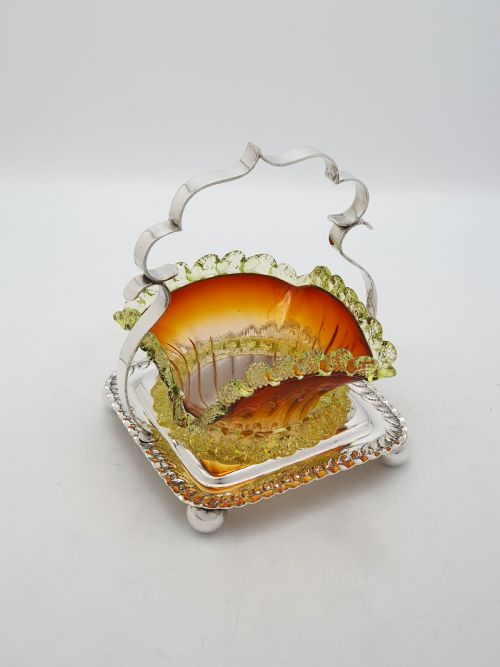


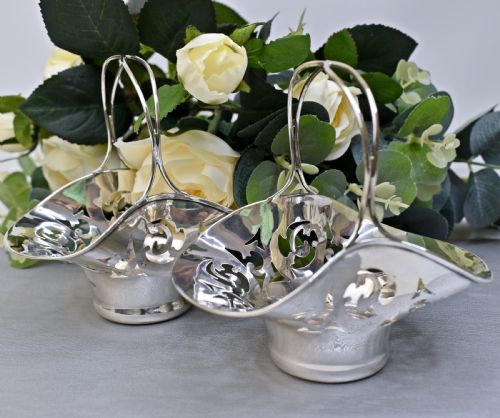


Antique Bonbonniere Dish
An antique bonbonniere dish serves sweets with elegance, bringing period craftsmanship and fine materials directly to the modern table.
Antique Bonbonniere Dish
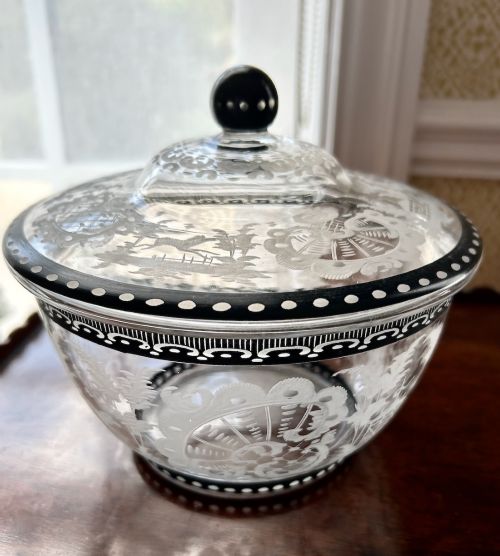
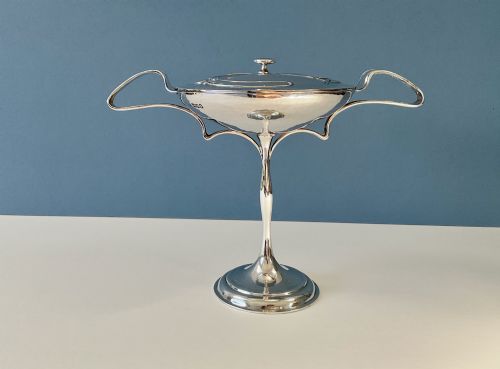
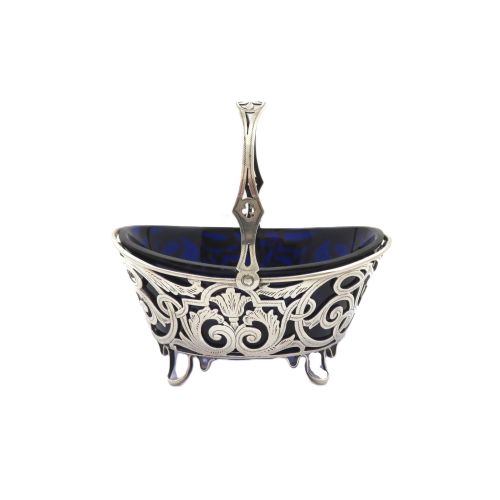
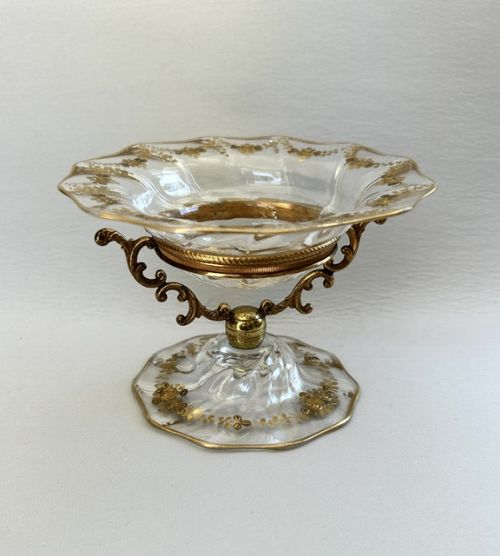
An antique bonbonniere dish is a small decorative vessel designed for holding confections, sugar plums, and sweetmeats. The form encompasses covered bowls, lidded porcelain boxes, and pierced baskets dating from the eighteenth century through to the Art Deco era.
The assortment includes English, French, and German items across varied styles such as Rococo Revival, Art Nouveau, and Art Deco. These vessels functioned as tabletop display pieces in wealthy households during formal dining and entertaining.
Materials and construction
Silversmiths utilised sterling silver and silver plate, employing techniques like piercing, chasing, and engraving to form openwork baskets and solid bowls. Makers often paired these metal mounts with coloured glass liners or tortoiseshell inserts.
Ceramic pieces utilise porcelain and enamel fired in European factories, frequently featuring hand-painted details and gilt metal or ormolu stands. Glassware takes the form of cut crystal, cranberry glass, and pink opaque glass shaped into jars and covered dishes.
Listings feature sterling silver, porcelain, enamel, and glass objects spanning the Georgian, Victorian, Edwardian, and Art Deco periods.
Distinctions in craftsmanship
Quality rests in the crispness of the chasing on silver, the depth of the cut crystal, and the delicacy of the porcelain painting. Heavier gauge metal and fully intact enamel or gilding distinguish finer productions from standard wares.
The integrity of the maker's marks and clear hallmarks anchor the provenance of silver and metalwork. Complete sets featuring matching stands, liners, and original covers command greater regard than married pieces or items missing components.
Fenton Brothers·William Comyns·Volkstedt·W M F·Limoges·Meissen
The Antique Bonbonniere Dish Glossary
- Bonbonniere
- A small decorative box or dish specifically made for holding sweets or bonbons. These objects were popular status symbols in European drawing rooms.
- Sweetmeat
- An old-fashioned term for a sweet, candy, or confection. Sweetmeat dishes and baskets were standard items on formal dining tables.
- Ormolu
- Gilded bronze used widely for mounts and stands in the eighteenth and nineteenth centuries. It provides a rich gold-coloured frame for porcelain and glass vessels.
- Vermeil
- Sterling silver plated with a thin layer of gold. This technique adds a warm, lustrous finish to interior bowls and covers.
Antique Bonbonniere Dish: Frequently Asked Questions
What were antique bonbonniere dishes used for?
These vessels held sweetmeats, sugared almonds, and small confections served to guests after a meal or during afternoon visits.
Hosts placed them on tables and sideboards as decorative ornaments that also displayed wealth and taste through costly materials.
How do I identify a Victorian piece?
Victorian examples often display heavy sterling silver piercing, elaborate floral chasing, or rich coloured glass such as cranberry and amber.
Many bear British hallmarks that give the exact year of assay and the silversmith's registered mark.
Are these dishes safe for serving food?
While historic vessels can still hold dry confections, silver and gilt surfaces require gentle cleaning without harsh modern detergents.
Collectors generally use them for display rather than active dining service to preserve fragile enamels and delicate glass.
What styles are common in these listings?
The selection spans Georgian elegance, Victorian ornamentation, and the fluid curves of Art Nouveau and Art Deco designs.
French Rococo Revival and Neoclassical influences also appear frequently among the porcelain and ormolu pieces.