




Antique Porcelain Sweetmeat
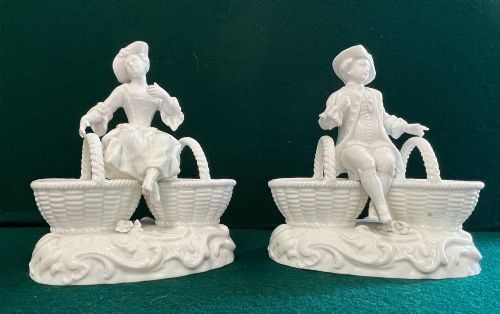
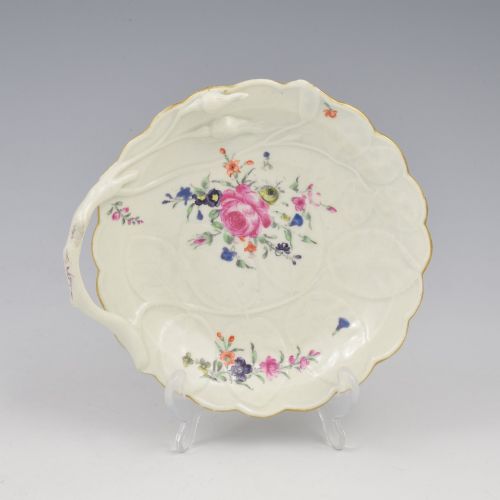
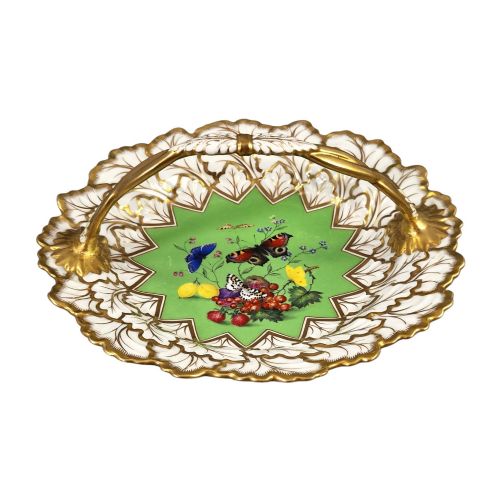
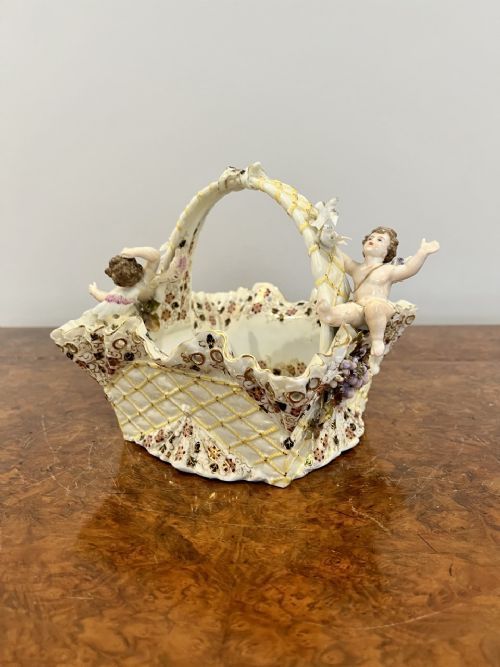
These antique porcelain sweetmeat dishes and figures are charming table accessories that bring eighteenth and nineteenth-century elegance to any room.
Antique Porcelain Sweetmeat
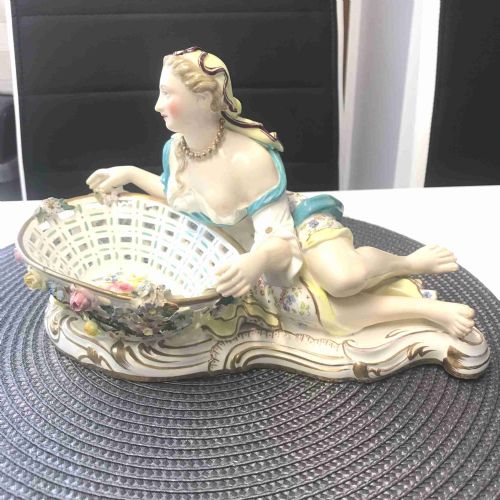
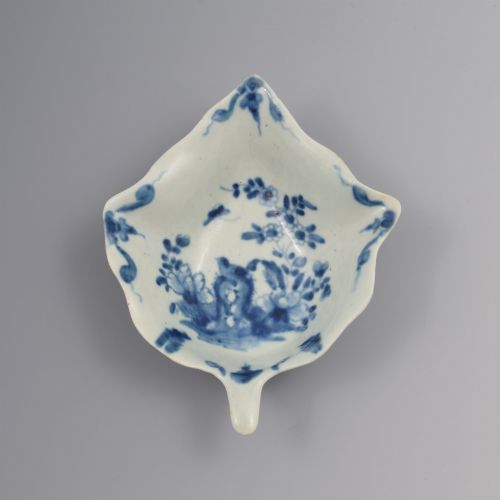
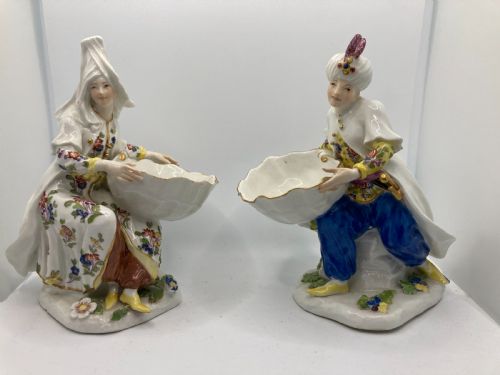
When you search for antique porcelain sweetmeat, you are looking at intricate serving vessels and figural stands designed for sweet morsels and confections at the dining table. The most common examples met here take the form of shell dishes, leaf trays, and elaborate figural groups holding bowls.
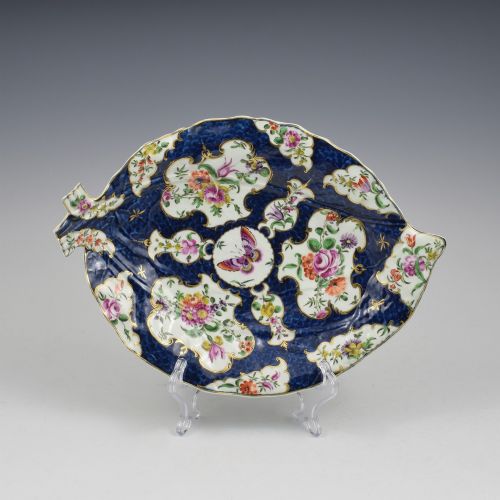
The pieces span several distinct periods, with eighteenth-century examples from factories like Worcester and Meissen appearing alongside nineteenth-century Victorian revivals and Regency basketware. Eighteenth-century versions often feature delicate scale blue patterns or naturalistic leaf and shell forms, while later nineteenth-century pieces lean towards ornate figural groupings.
Makers such as Flight, Barr and Barr and Volkstedt produced notable variations, ranging from simple pickle dishes to two-tier dessert stands. Buyers will encounter both utilitarian serving dishes and purely decorative figurines designed to grace a formal table setting.
What varies in quality
The complexity of the form also dictates quality, with multi-tiered stands, intricate shell mouldings, and elaborate figural pairings demanding superior technical mastery from the porcelain manufactory. Preservation of the fragile applied porcelain flowers and the original gold leaf further distinguishes exceptional survivals.
Materials documented across the collection include soft-paste porcelain, hard-paste porcelain, enamel, ceramic, and applied gold leaf.
Meissen·Dr Wall Worcester·Flight Barr and Barr·Volkstedt·Minton·Royal Worcester
The Antique Porcelain Sweetmeat Glossary
- Soft-paste porcelain
- An artificial ceramic composition fired at lower temperatures than hard-paste porcelain, common in eighteenth-century English factories. It produces a warm, creamy body that interacts distinctively with early glazes.
- Hard-paste porcelain
- A true ceramic mixture containing kaolin and petuntse, fired at very high temperatures to create a dense, durable body. This material resists scratching and allows for brilliant, glassy enamel colours.
- Sweetmeat
- A confection such as a candied fruit, nut, or small sugary delicacy served at the conclusion of a formal meal. Specialised porcelain dishes were created specifically to hold these treats.
- Gilding
- The application of gold or gold leaf to the ceramic surface to ornament rims, handles, and raised motifs. It is often fired in a kiln to bond the precious metal permanently to the glaze.
- Scale blue
- A patterned underglaze blue ground resembling fish scales, famously utilised by eighteenth-century Worcester porcelain manufactories. Often framed with gilded cartouches containing painted flowers or birds.
Antique Porcelain Sweetmeat: Frequently Asked Questions
What were sweetmeat dishes used for?
These dishes held small confections, preserved fruits, and spiced nuts served during the dessert course of formal dining tables. They functioned as both practical tableware and decorative centerpieces.
Wealthy households used them to display imported sugars and exotic sweets to impress dinner guests.
How do I identify eighteenth century Worcester porcelain?
Look for characteristic soft-paste bodies, distinct cobalt blue underglaze decoration such as scale patterns, and naturalistic leaf or shell motifs. Many early pieces feature crescent or disguised numeral marks.
The potting tends to show slight kiln warping and potting rings typical of early manufacturing methods.
How should I display porcelain sweetmeat figures?
Place them in enclosed cabinets away from direct sunlight to protect the delicate enamel colours and gold leaf from fading. Ensure they sit on stable, level surfaces as their complex figural poses can make them top-heavy.
Keep them distanced from high-traffic areas where accidental knocks might damage fragile applied floral details.