



Art Deco Porcelain Figure
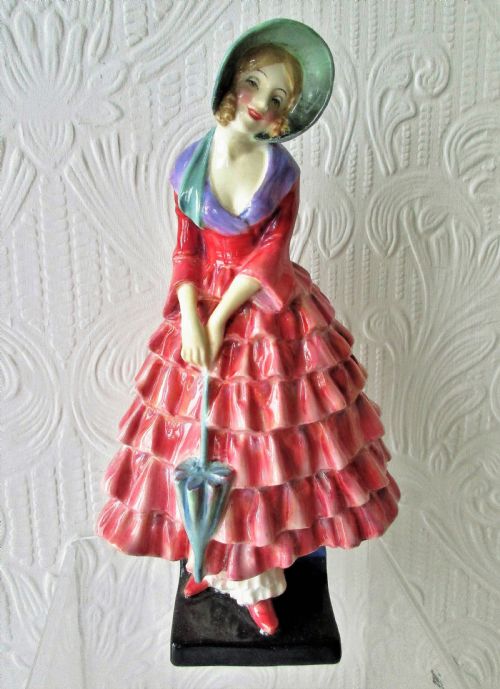
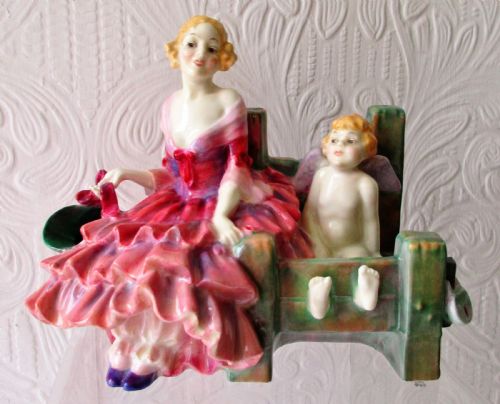
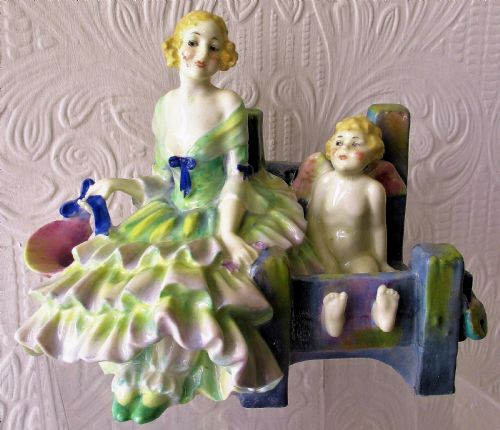
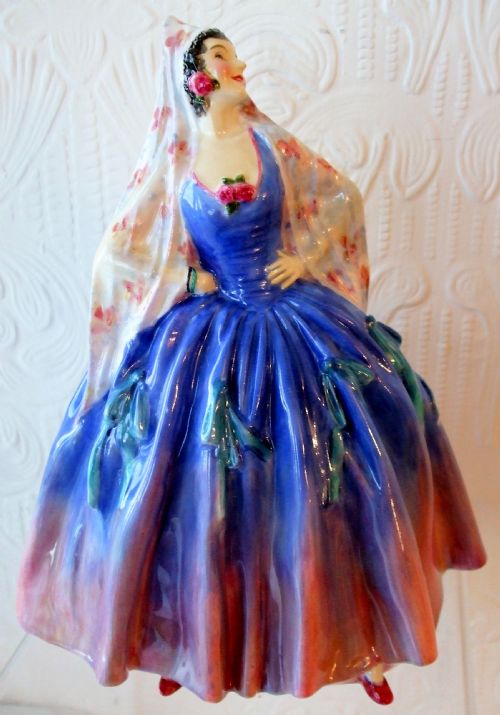
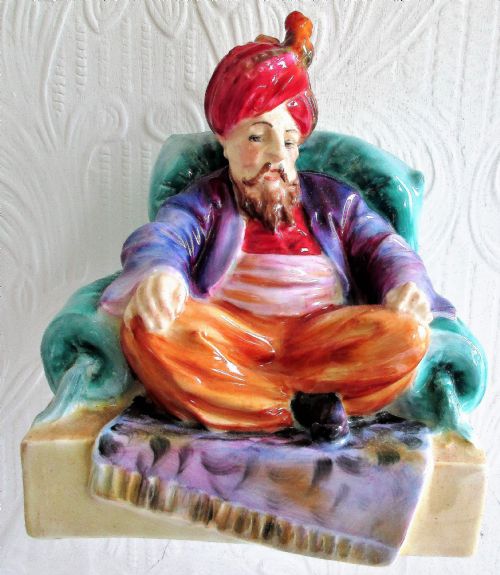
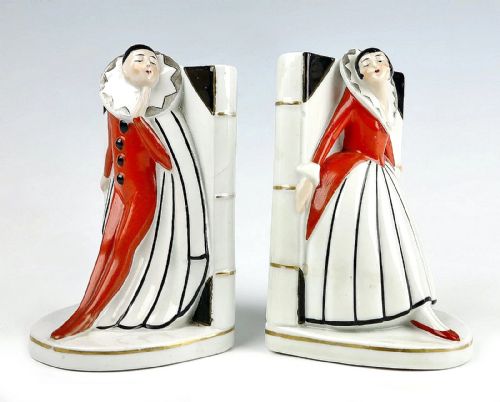
These art deco porcelain figure examples capture the kinetic geometry and stylised elegance of the interwar period.
Art Deco Porcelain Figure
When you examine an art deco porcelain figure, you encounter depictions of dancers, flappers, pierrots, and animals shaped during the 1920s, 1930s, and 1940s. These pieces function as figurines, lamps, bookends, and powder boxes, reflecting the aesthetic priorities of their era.
The selections available range from English bone china character studies to German and French glazed earthenware and ceramic sculptures. Dancers and ladies in long dresses dominate the forms, alongside dogs and mythological figures.
Earlier Edwardian and nineteenth-century roots appear occasionally alongside the dominant interwar output, showing the transition into strict geometric styling. Buyers encounter both monumental studio pieces and domestic dressing table accessories.
Materials and Technique
Fatories employed mould-pressing and casting techniques to secure precise lines for dancers and animals, followed by high-temperature kiln firing. Artisans then hand-finished the details before applying the final glaze layers.
Several ladies in this selection appear permanently mid-twist, frozen in porcelain while searching for their lost powder puffs.
Assessing Quality in Sculptures
Recognition of the artist or pottery adds significant distinction, particularly when specific modellers designed individual figures for European factories. The complexity of the subject, such as multi-figure groups or integrated lamp fittings, elevates the standard of manufacture.
Royal Doulton·Meissen·Karl Ens·Rosenthal·Royal Dux·Fasold Stauch·Katzhutte
The Art Deco Porcelain Figure Glossary
- Bone china
- A type of porcelain incorporating animal bone ash, yielding a durable body with high whiteness and translucency. English potteries used this material extensively for character figures.
- Glaze
- A glassy layer fused to the ceramic body through firing to waterproof the surface and add colour or shine. Different formulations produce high-gloss or satin-matte finishes.
- Flapper
- A cultural archetype of the interwar decades characterised by short hair and modern attire. Ceramic artists captured this youthful energy in numerous dancing figures and powder box covers.
Art Deco Porcelain Figure: Frequently Asked Questions
How do I identify a genuine period piece?
Examine the base for factory backstamps, model numbers, and artist signatures that correspond to known interwar production records.
The weight, glaze consistency, and hand-painted details should match the manufacturing standards of European and English potteries from the 1920s and 1930s.
What subjects are most common?
Dancers, flapper girls, pierrots, and domestic animals appear with the highest frequency across European and English workshops.
Figures frequently double as functional objects such as table lamps, bookends, perfume sets, and powder puff stands.
How should I display my figures?
Position them away from direct sunlight and areas of high foot traffic to protect the delicate glazed or bisque surfaces from accidental impact.
Ensure table lamps and wired pieces are checked by a qualified professional before connecting them to modern electrical supplies.
Why do some pieces have fabric elements?
Certain dressing table accessories and boudoir lamps incorporated fabric skirts or shades to complement the painted ceramic bodies.
These textile additions reflect the domestic utility of vanity items produced during the interwar period.