

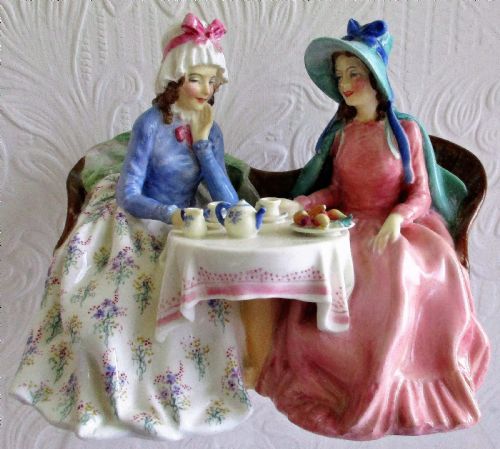
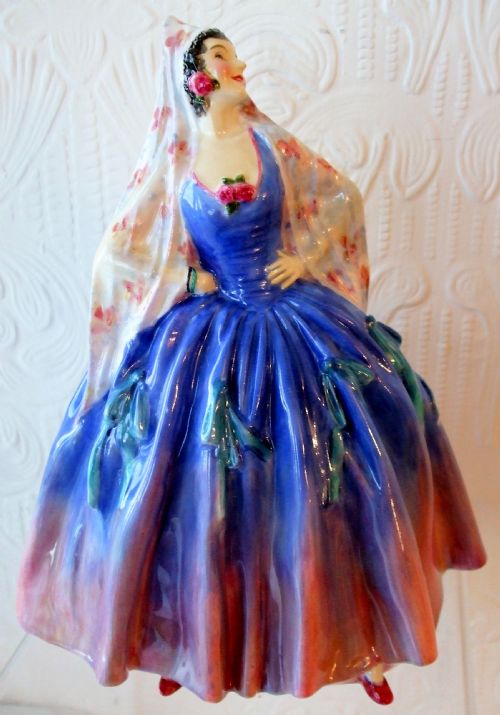
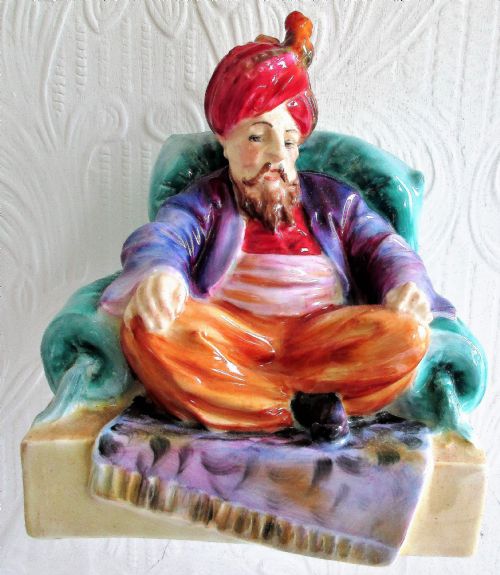


Doulton Ceramic Ornament
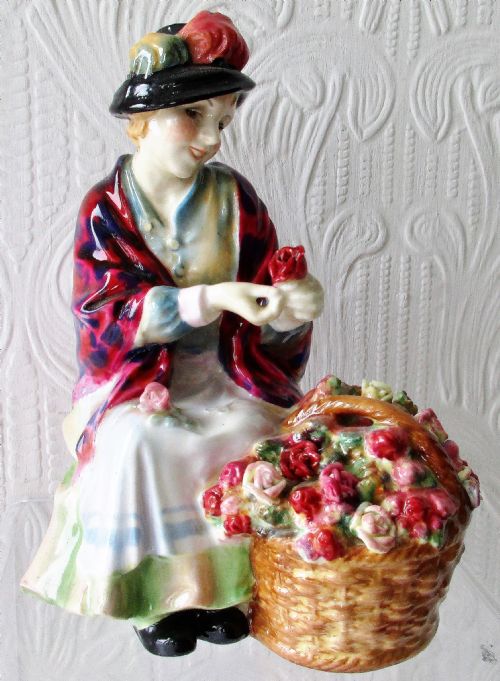
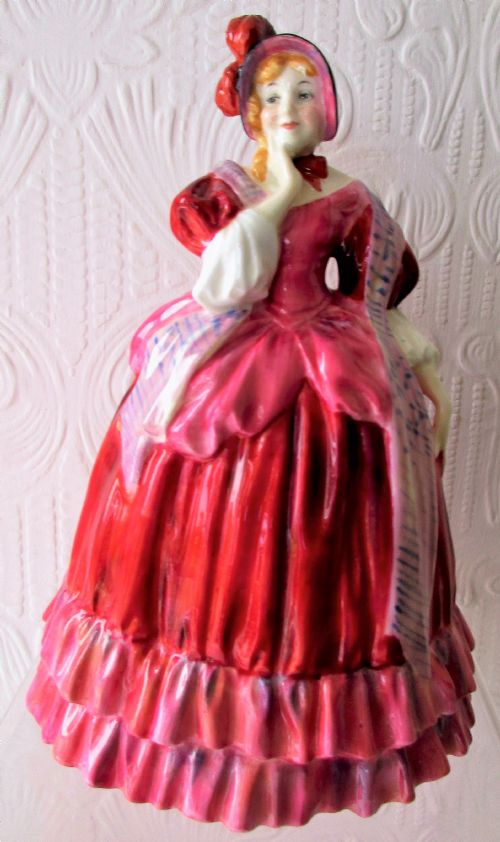
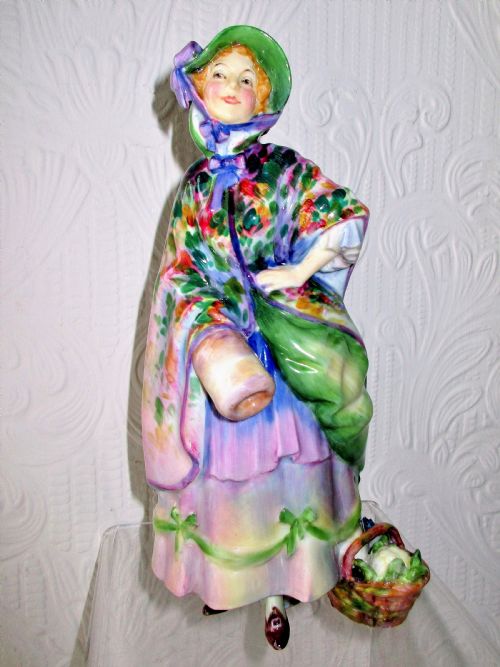
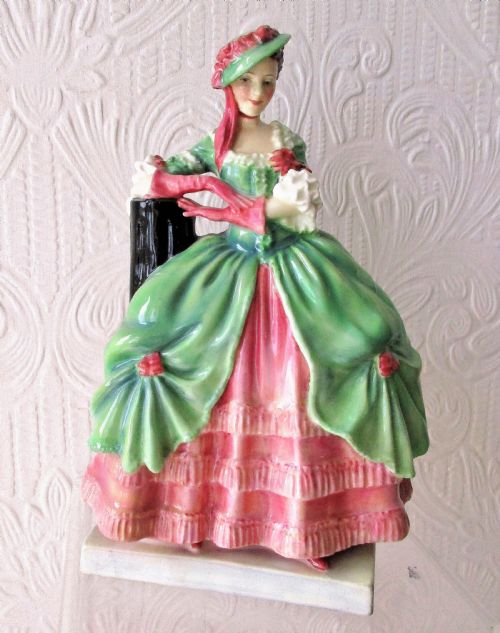
These pieces of doulton ceramic ornament bring narrative figures and studio vases into your home.
Doulton Ceramic Ornament
When you search for doulton ceramic ornament, you encounter a range of works spanning the Victorian era through the mid-twentieth century.
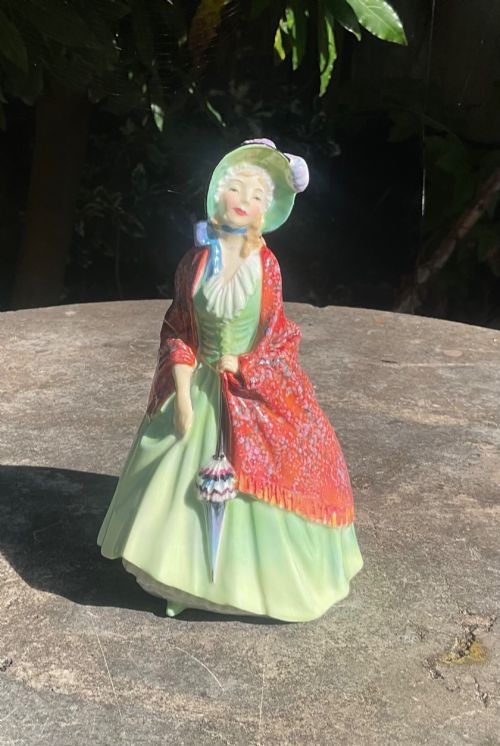
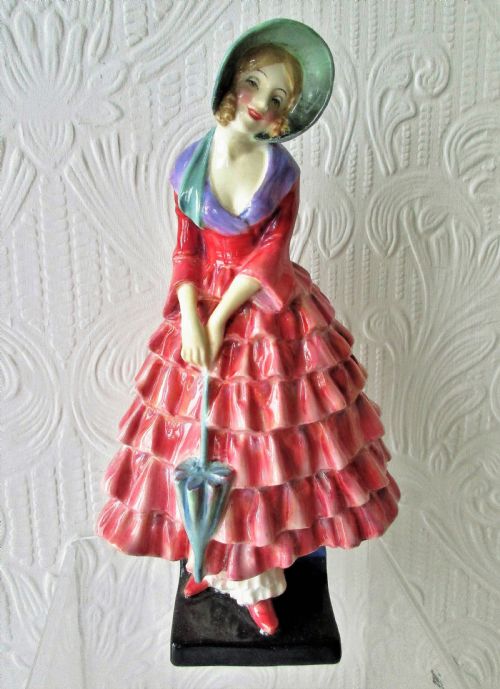
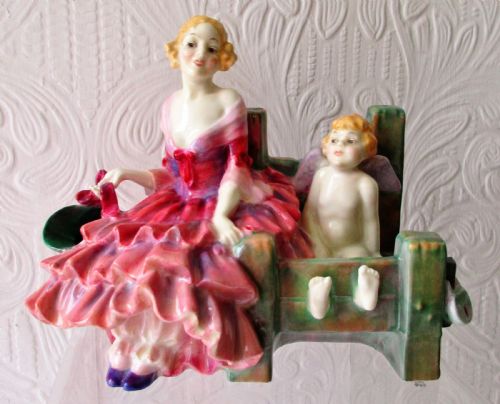
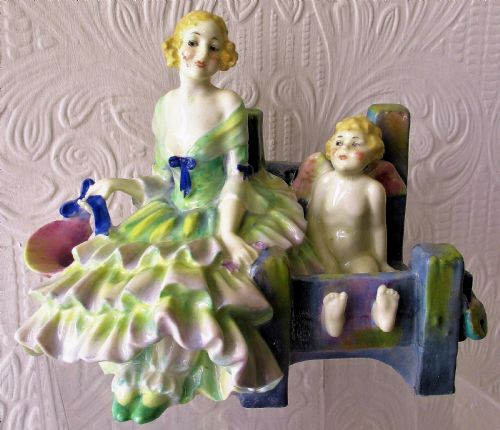
The selection here centres heavily on English porcelain figurines depicting named characters alongside earlier Victorian art pottery vases.
Figurines from the nineteen-thirties predominate, capturing detailed period attire and domestic scenes in glazed porcelain and bone china.
Materials and production methods
Pieces take shape in bone china, porcelain, and heavy stoneware, finished with intricate ceramic glaze and enamel details.
Makers shape figures and vases through traditional moulding and throwing techniques before applying hand-painted surface decoration.
Listings feature periods from eighteen-eighty to nineteen-forty, using bone china, porcelain, and stoneware.
Assessing quality and execution
Quality rests in the crispness of the mould and the precision of the hand-painted enamel work across faces and garments.
Early production dates and named artist attribution on stoneware pieces elevate the standard of individual items.
Royal Doulton·Doulton Lambeth·Emily Edwards·Emily Stormer
The Doulton Ceramic Ornament Glossary
- Bone china
- A type of porcelain incorporating animal bone ash, yielding a strong body with a warm white translucency. This material allows for delicate modelling in detailed figurines.
- Stoneware
- A robust, vitrified ceramic fired at high temperatures to achieve impermeability without a separate glaze. Doulton Lambeth pieces utilise this durable body.
- Glaze
- A vitreous layer fused to the ceramic surface through firing, providing colour, shine, and protection. Enamel decorations often sit atop this glassy coating.
- Figurine
- A small modelled sculpture depicting a human or animal figure. These objects form the majority of twentieth-century ceramic ornaments here.
Doulton Ceramic Ornament: Frequently Asked Questions
What periods do these ceramics cover?
The pieces span from the late nineteenth-century Victorian period through the nineteen-thirties and nineteen-forties.
Twentieth-century figures make up the majority of the current selection.
Are these pieces made of porcelain?
Many items utilise English porcelain and bone china for delicate figurine modelling.
Stoneware appears primarily in the earlier Victorian vases.
How should I display a figurine?
Place figures on stable, flat surfaces away from direct sunlight to protect the enamel colours.
Enclosed cabinets safeguard delicate porcelain extremities from accidental knocks.
What do the numbers mean?
Designation numbers such as HN codes identify specific figure models and production series.
These references help determine the original release period of each ornament.