




Royal Doulton China Statuette
These porcelain figures capture figures from literature and daily life, offering collectors characterful porcelain and bone china forms from the early twentieth century.
Royal Doulton China Statuette
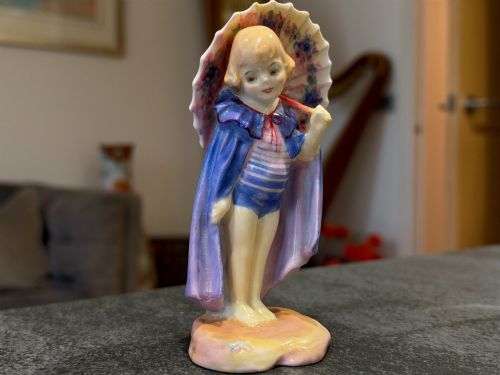
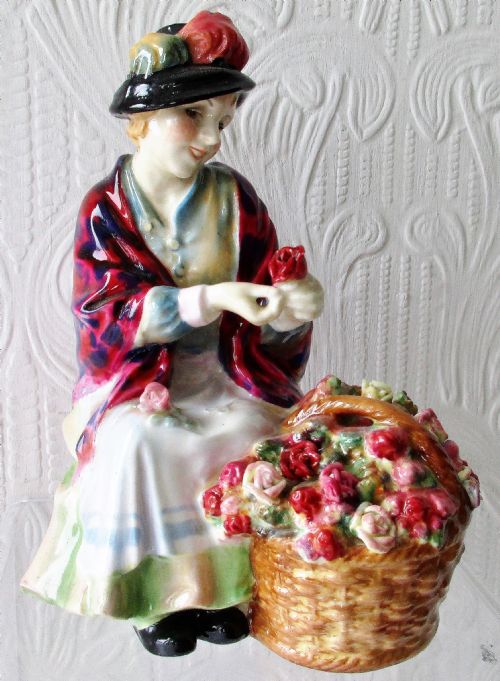
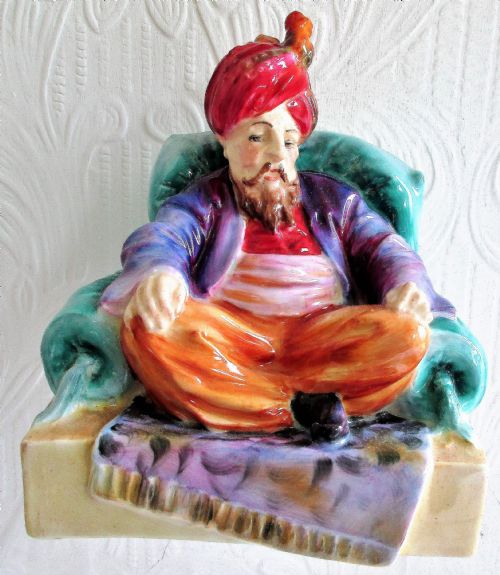
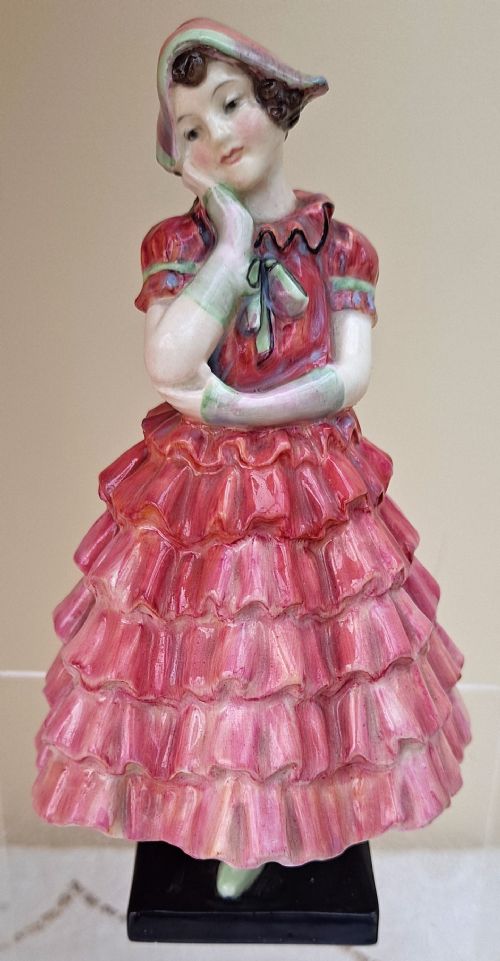
A royal doulton china statuette represents modelled character subjects, ranging from named figures to Regency Revival scenes, produced in porcelain and bone china. These porcelain figurines span the nineteen-thirty and nineteen-forty decades, emerging from Early twentieth century English workshops.
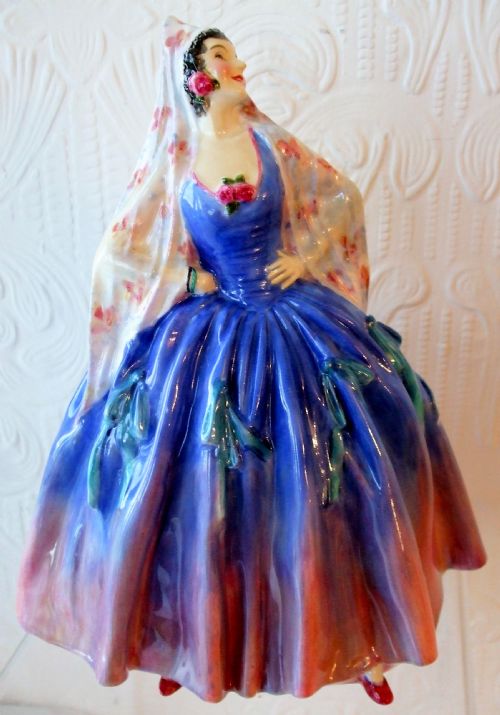
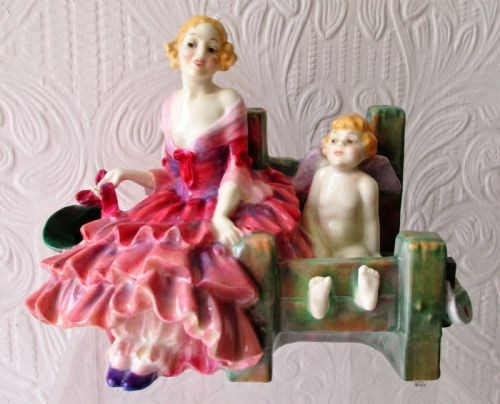
The pieces on this page lean heavily towards the nineteen-thirty period, offering detailed character studies such as 'In the Stocks' and 'A Spanish Lady'. Each figurine carries specific HN numbers that identify the exact model and design year recorded in the titles.
How they were made
Production relies on porcelain and bone china bodies, shaped into decorative figurines and glazed with ceramic glazes to achieve a smooth finish. The modelling technique captures detailed costume elements suited to Art Deco and Regency Revival aesthetics.
Makers applied hand-painted ceramic glaze over fired porcelain bodies to define facial expressions and clothing details. This combination of ceramic glaze and bone china provides the characteristic durable finish seen across the nineteen-thirty pieces.
Royal Doulton China Statuette Retail Price Guide 2026
Typical asking prices for royal doulton china statuette among the pieces listed under this phrase on Sellingantiques today, from the lower quarter to the upper quarter. They describe what is for sale here now, not the wider market.
Listings feature porcelain and bone china bodies finished with ceramic glazes across the nineteen-thirty and nineteen-forty periods.
What varies in quality
Quality differences stem from the precision of the modelling and the crispness of the painted ceramic glaze details. Stronger examples display clear definition in facial expressions and costume folds, reflecting skilled execution within Early twentieth century English production.
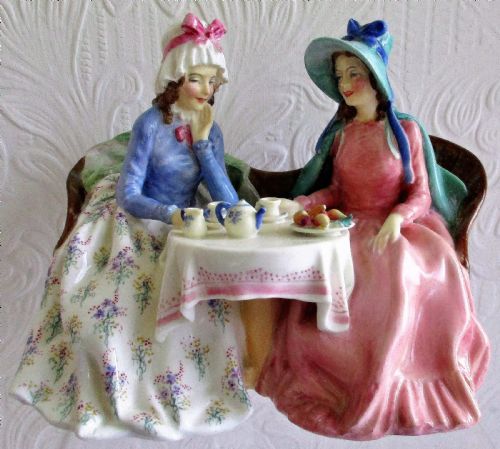
The clarity of the HN number and the smoothness of the porcelain surface also distinguish individual pieces. Better examples maintain consistent application of the glaze across complex forms like 'Afternoon Tea' or 'Modena'.
Royal Doulton
The Royal Doulton China Statuette Glossary
- Porcelain
- A hard, fine-grained ceramic material fired at high temperatures to create a vitreous body. It forms the base for many detailed figurines.
- Bone china
- A type of porcelain containing bone ash, known for its high strength and milky white appearance. It provides a refined surface for delicate figurine decoration.
- Ceramic glaze
- A vitreous layer fused to ceramic bodies through firing, providing colour and a glossy finish. This coating protects the underlying porcelain.
- Art Deco
- A design style characterised by sleek lines and stylised forms, popular during the periods represented here. It influences the posture and clothing of certain figures.
- Regency Revival
- An architectural and decorative style looking back to the Regency era, appearing in the costume and setting of specific statuettes. It informs the historical themes chosen by the modellers.
Royal Doulton China Statuette: Frequently Asked Questions
What is an HN number on these figures?
The HN designation stands for Harry Nixon, a chief artist at the factory, and serves as a unique registration code for each design.
Collectors use these numbers, such as HN fourteen seventy-four, to identify the exact model and production era of a statuette.
How should I display a porcelain figurine?
These pieces require stable shelving away from direct sunlight to protect the painted ceramic glaze from fading over time.
Placing them in enclosed cabinets also prevents dust accumulation on intricate costume details and delicate modelling.
What materials make up these statuettes?
Makers utilised porcelain and bone china as the primary ceramic bodies for shaping these decorative figures.
A fired ceramic glaze covers the surface, providing the smooth texture and characteristic sheen observed on nineteen-thirty examples.
How do I identify nineteen-thirty pieces?
Nineteen-thirty pieces typically feature specific HN numbering sequences and stylistic traits associated with Early twentieth century English production.
Examining the base often reveals factory marks and titles that correspond to the documented release years.