

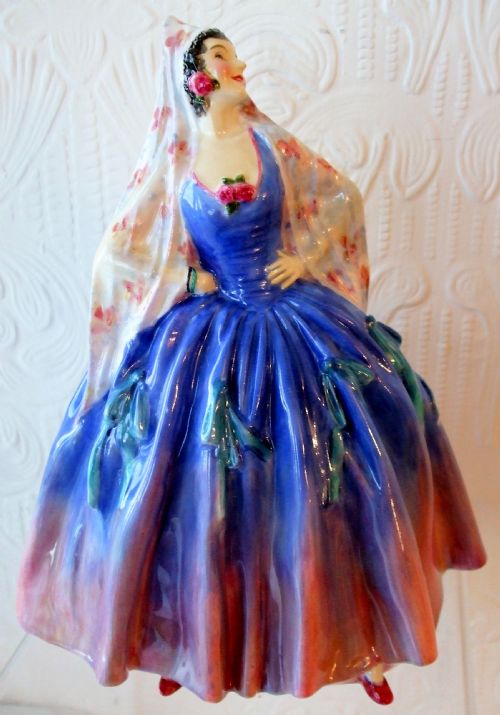


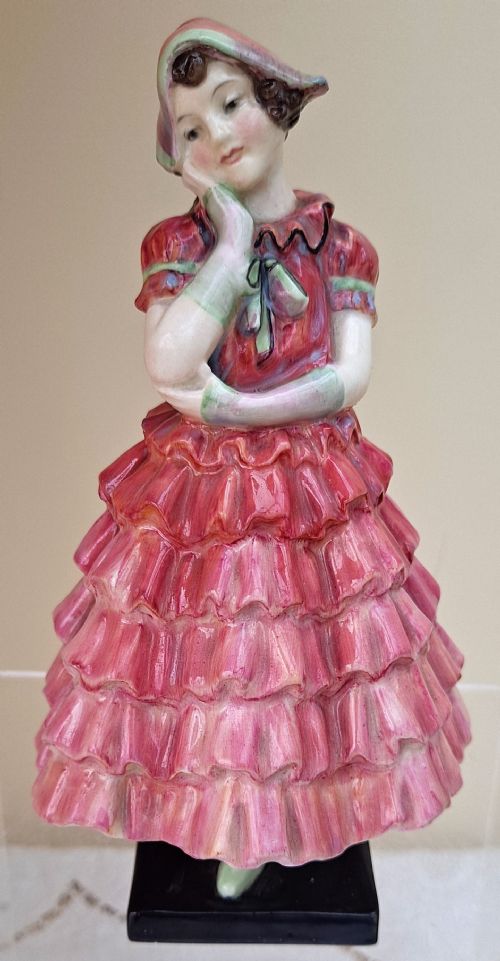


Vintage Doulton Lady
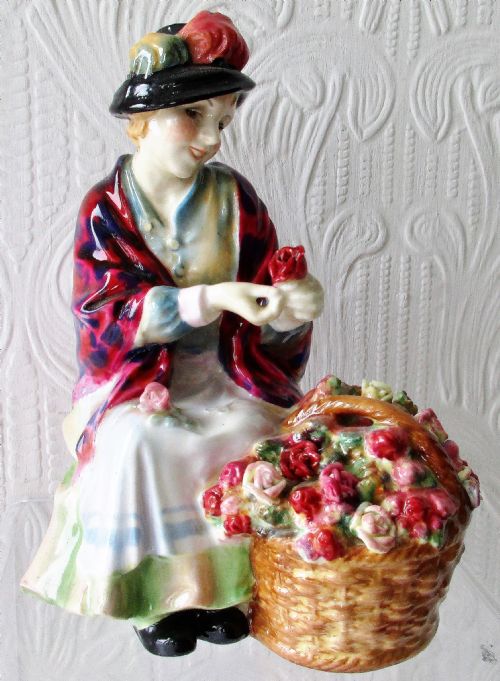
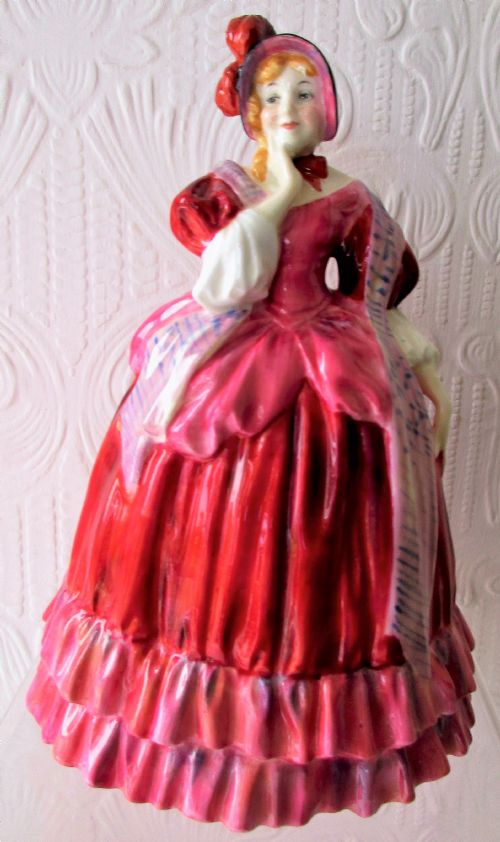
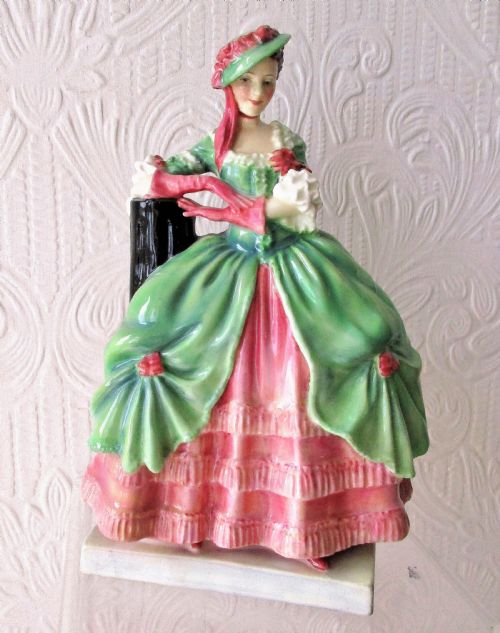
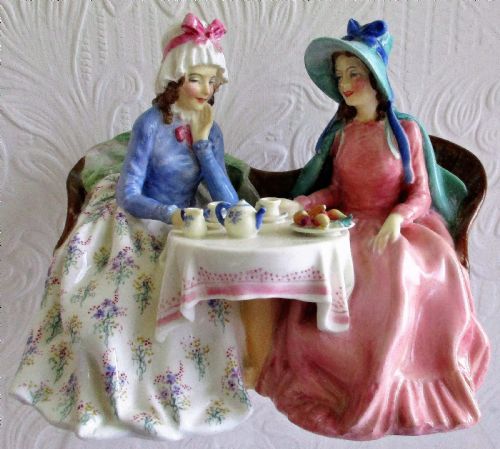
These vintage doulton lady figures bring distinctive Art Deco character and period charm to a room.
Vintage Doulton Lady
A vintage doulton lady represents a decorative porcelain figurine modelled in classical and historical attire. Buyers searching for this phrase encounter English porcelain figures originating predominantly from the nineteen-thirties and nineteen-forties.
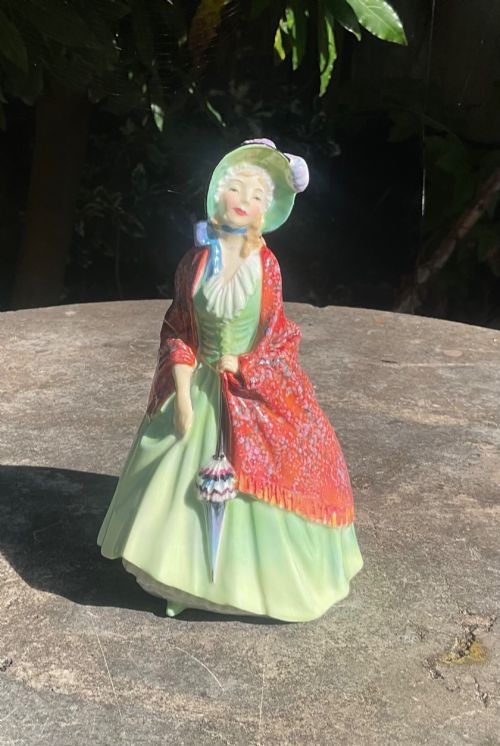
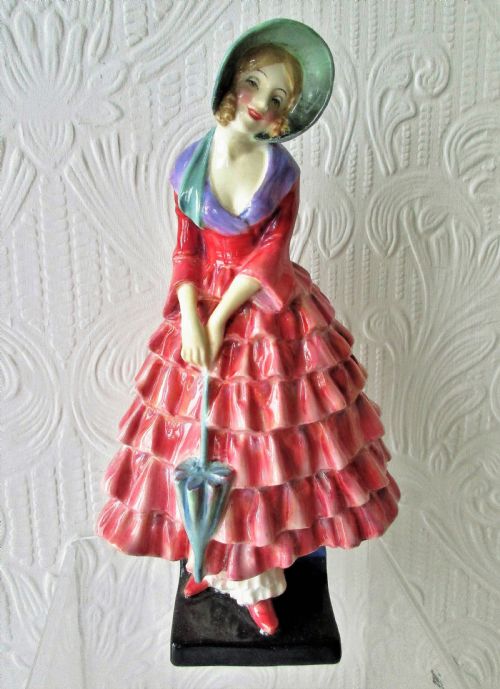
The most common examples on this page depict named characters such as Chloe, Priscilla, and The Paisley Shawl. These pieces draw upon styles including Early Twentieth Century English and Regency Revival alongside Art Deco.
How they were made
These figurines utilise bone china and porcelain formed into decorative shapes. Ceramic glaze finishes the surface, often enhanced with enamel detailing.
Manufacturing relies on traditional ceramic techniques from English potteries. The application of glaze and enamel requires careful hand work to secure the finished appearance.
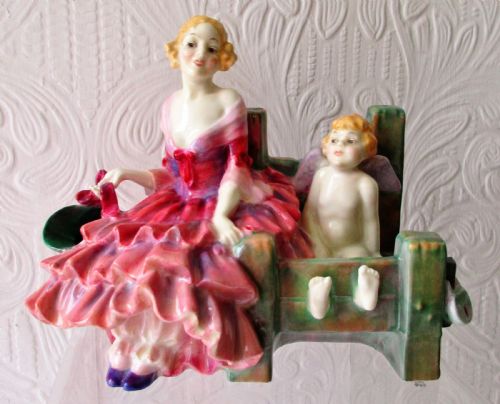
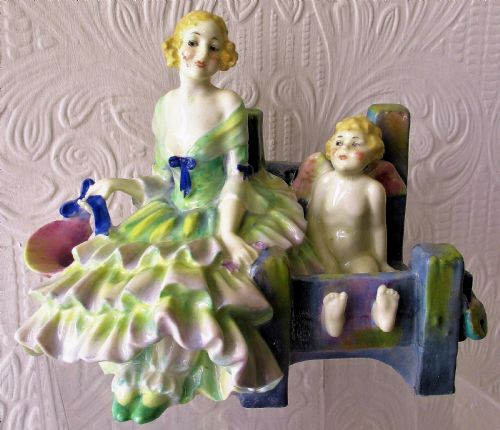
Some ladies carry paisley shawls while others find themselves amusingly stuck in the stocks.
What varies in quality
Quality rests in the subtlety of the modelling and the precision of the enamel decoration on the porcelain. Early versions and specific year releases display distinct modelling nuances.
Royal Doulton
The Vintage Doulton Lady Glossary
- Bone china
- A type of porcelain incorporating bone ash for strength and translucency. It forms the white body beneath the glaze.
- Ceramic glaze
- A vitreous layer fused to the pottery body by firing. This coating provides the smooth and shiny surface.
- Enamel
- Opaque glass applied to the fired surface for colour and detail. It sits on top of the glaze.
- Figurine
- A small statuette representing a human figure. These items serve purely decorative purposes.
Vintage Doulton Lady: Frequently Asked Questions
What is a vintage doulton lady?
A vintage doulton lady is an English porcelain figurine produced during the early twentieth century. These decorative pieces portray named female figures in various period costumes.
They reflect artistic influences from the thirties and forties, encompassing Art Deco and Regency Revival aesthetics.
How do I date these figures?
Dating relies on recorded production years, style indicators, and specific model numbers associated with the pieces. The listings show examples primarily from nineteen-thirty and nineteen-forty.
First year versions and specific HN numbers help identify the exact era of manufacture.
How should I display them?
These decorative figurines suit placement on mantelpieces, cabinets, or dedicated display shelves. Their porcelain and enamel construction benefits from stable indoor environments.
Keep them away from direct sunlight and areas prone to accidental knocks.