



Hand Painted Porcelain Lady
These hand painted porcelain lady pieces capture centuries of ceramic art, offering charming figures and decorative vessels for your collection.
Hand Painted Porcelain Lady
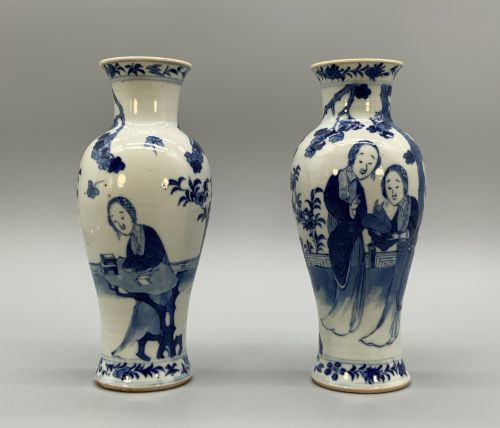
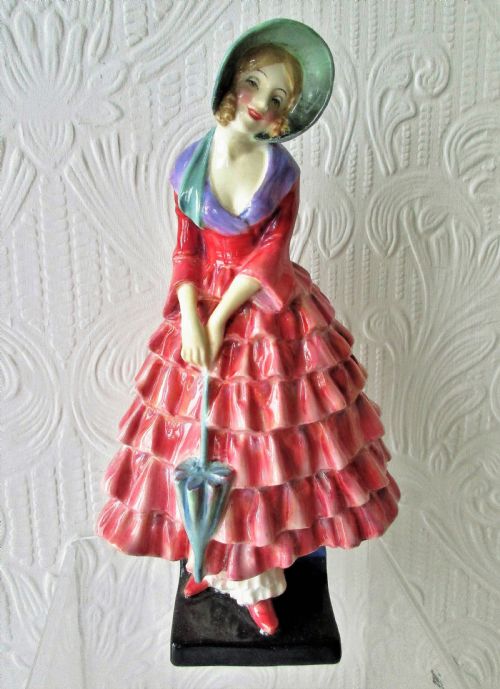
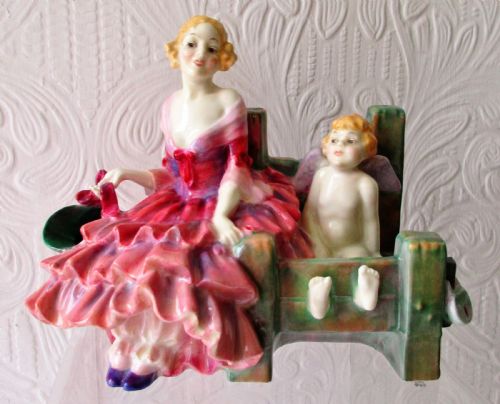
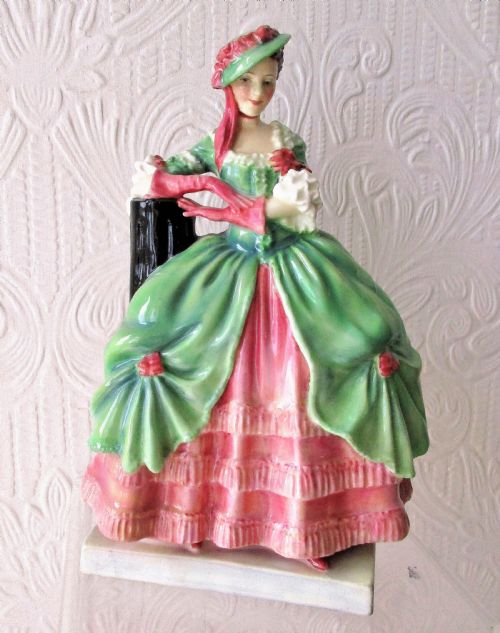
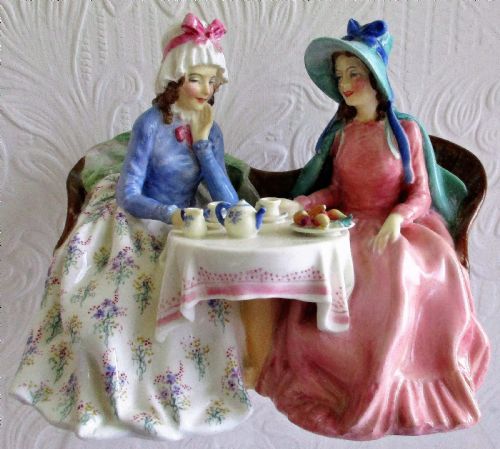
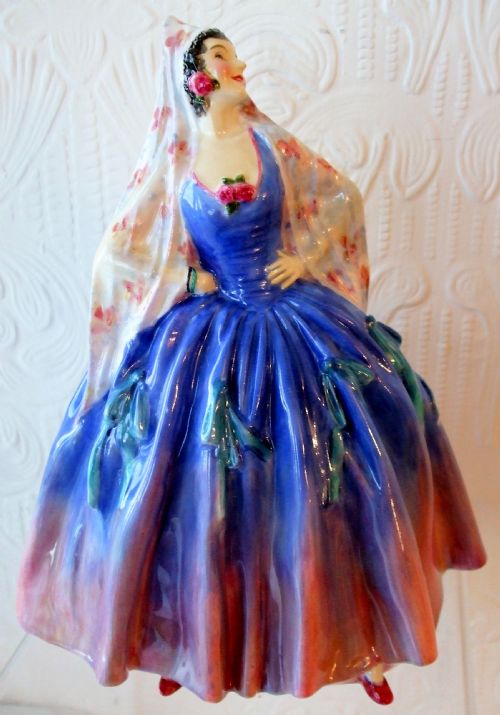
When you search for a hand painted porcelain lady, you encounter a diverse array of ceramic figures and decorative vessels spanning multiple centuries. These pieces take the form of standalone figurines, powder bowls, and vases depicting female subjects from various cultural traditions.
The selection on this page ranges from eighteenth-century European factories to early twentieth-century English workshops and Japanese Meiji period examples. Figurines such as named Royal Doulton characters sit alongside antique Chinese blue and white vases and Japanese Kutani figures.
You are most likely to meet English porcelain figurines from the nineteen-thirties and forties, alongside continental European figures and nineteenth-century Asian ceramics. Each item brings a distinct regional aesthetic, whether modelled in an Art Deco style or dressed in Rococo revival attire.
Assessing quality and execution
The crispness of the moulding in the porcelain body dictates the sharpness of drapery folds and facial contours. Pieces that retain delicate extremities and clear factory marks demonstrate superior preservation and original manufacture.
The object forms available include figurines, powder bowls, and vases decorated in Art Deco and Rococo styles.
Royal Doulton·Meissen·Ludwigsburg·Samson·Luigi Fabris
The Hand Painted Porcelain Lady Glossary
- Figurine
- A small statuette representing a human or animal figure, often hand painted and glazed. These objects form a major part of nineteenth and twentieth-century ceramic production.
- Bisque porcelain
- Unglazed ceramic material fired once to achieve a matte, porous texture resembling marble. It appears frequently in nineteenth-century decorative vases and sculptural figures.
- Bone china
- A type of porcelain incorporating bone ash for enhanced strength and a milk-white translucency. English factories utilised this composition extensively for twentieth-century character figures.
- Enamel
- Opaque glass-based pigment applied to the surface of fired porcelain before a secondary low-temperature kiln firing. This technique allows for vibrant, lasting polychrome decoration.
- Gilt
- A thin layer of gold applied to ceramic surfaces to highlight decorative borders, clothing, and accessories. It provides a metallic contrast to the surrounding glaze and enamel.
Hand Painted Porcelain Lady: Frequently Asked Questions
How do I identify the age of a porcelain figurine?
Examine the base for factory stamps, painted marks, and impressed numbers that correspond to known production periods. Stylistic cues such as costume design and clothing fashion also help narrow down the decade of manufacture.
Material composition and glaze characteristics offer additional clues regarding whether a piece originates from an eighteenth-century European kiln or a later twentieth-century workshop.
What is the difference between bone china and standard porcelain?
Bone china includes animal bone ash in the ceramic paste, resulting in a lighter body and greater translucency when held to the light. Standard porcelain relies on traditional kaolin and petuntse mixtures.
Both materials accept hand painted enamel decoration equally well, though twentieth-century English makers favoured bone china for character figurines.
Where should I display my porcelain figurines?
Place your figures in a stable cabinet away from direct sunlight to protect the hand painted enamel colours from fading over time. Ensure the display surface is secure to prevent accidental knocks.
Avoid areas with high humidity or rapid temperature fluctuations, which can affect fragile ceramic glazes and historical pieces.