



Bone China Ornament
A bone china ornament brings delicate ceramic craft to a mantelpiece, offering intricate character through figures and small decorative items.
Bone China Ornament
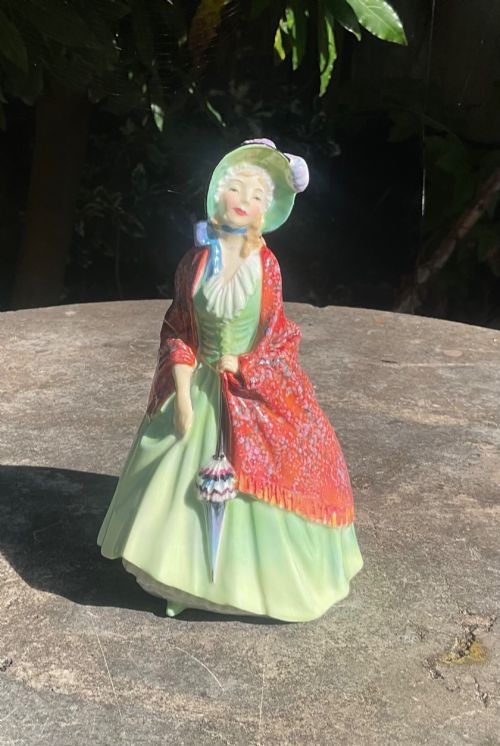
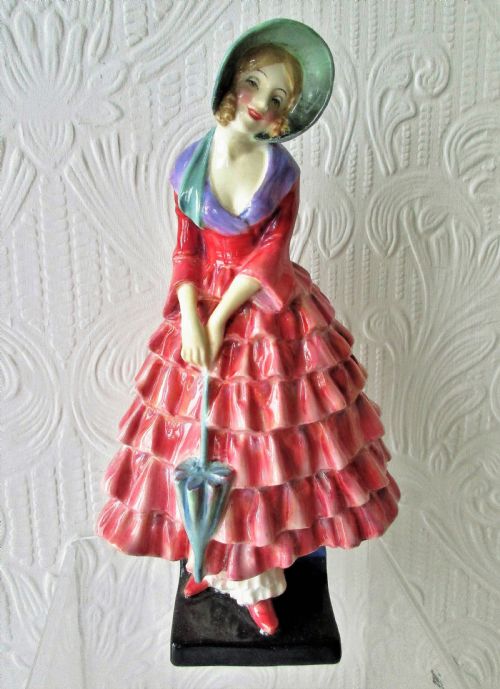
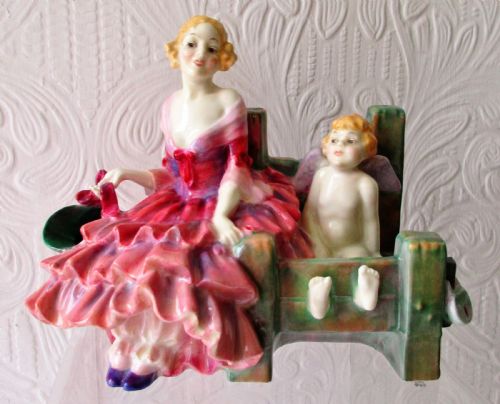
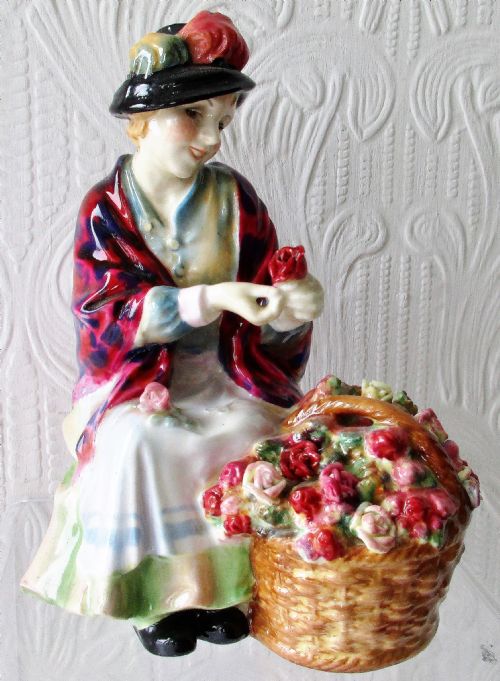
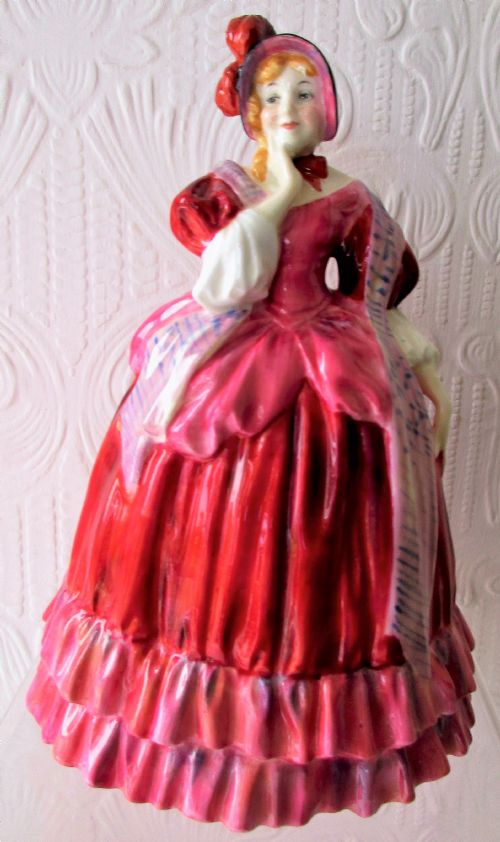
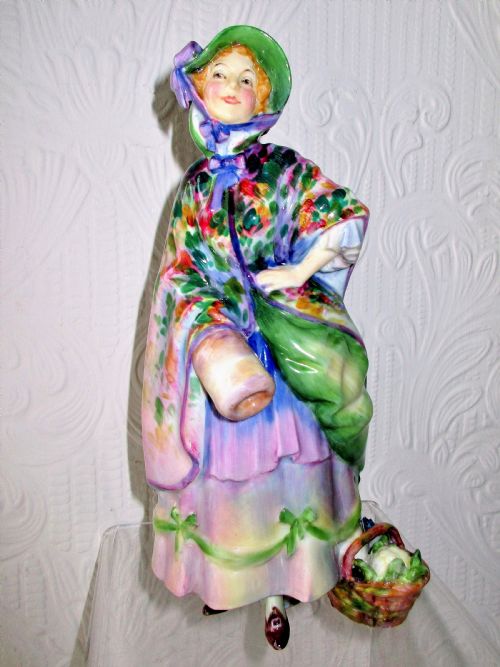
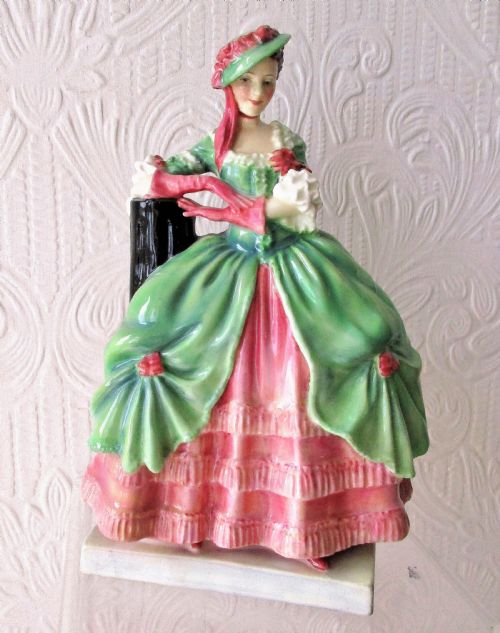
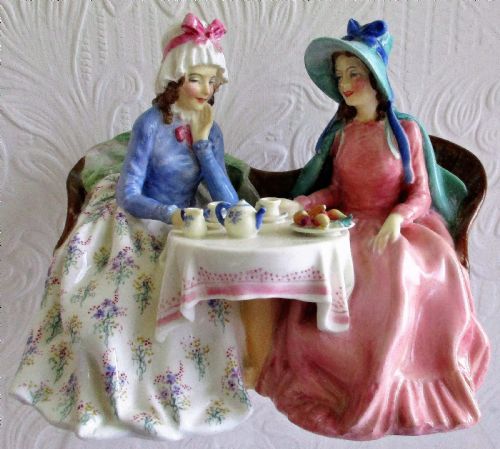
A bone china ornament search brings together miniature ceramics, decorative figurines, inkstands, vases, and candle snuffers spanning several decades. The pieces you encounter most frequently on this page are twentieth-century figures depicting named characters or ladies in period dress.
The objects originate from diverse periods, stretching from the Regency era through Victorian times to the mid-century. Early pieces include inkstands and gardener figures, while later decades favour character studies and miniature vessels.
Makers represented across the listings include prominent English potteries that shaped the ceramic output of the nineteenth and twentieth centuries. Each workshop contributed distinct sculptural forms and decorative painting styles to the domestic interior.
Materials and production methods
Makers formed these pieces using bone china, porcelain, and ceramic glaze to achieve smooth, durable surfaces suitable for detailed modelling. Artisans shaped the clay into intricate figurines, vases, and inkstands before firing the pieces in kilns.
Surface decoration relies on enamel painting and ceramic glaze, often highlighted with gold leaf or gilt accents. These metallic and coloured touches define the garments and patterns on figures like the Royal Doulton and Royal Worcester examples.
Among the delicate ladies and floral arrangements sits a tiny porcelain flat iron complete with its own stand.
Assessing quality in ceramic ornaments
Quality rests upon the precision of the modelling and the delicacy of the painted details on the china surface. Finer examples display crisp facial expressions, careful hand-painting in the enamel colours, and clean application of gold leaf.
The clarity of the glaze and the preservation of the original hand-painted palette separate standard pieces from superior examples. Workshops achieving finer detail in limbs, clothing folds, and miniature elements command greater attention from collectors.
Royal Doulton·Royal Worcester·Spode·Minton·Royal Crown Derby
The Bone China Ornament Glossary
- Bone china
- A type of porcelain incorporating bone ash, yielding a strong, white, translucent body. It allows for thin casting and delicate forms.
- Glaze
- A glassy coating fused to the ceramic surface during firing to seal the body and provide a glossy finish. Coloured glazes also serve decorative purposes.
- Enamel
- Opaque glass used as a coloured decoration painted over the glazed ceramic surface. It requires a lower firing temperature to fix the pigments.
- Gilt
- A thin layer of gold applied to the surface of the ceramic for decorative enrichment. It frequently highlights rims, handles, and garment details.
- Figurine
- A small carved or moulded statuette representing a human or animal figure. These form the majority of decorative ceramic listings.
Bone China Ornament: Frequently Asked Questions
What periods do these ornaments cover?
The pieces span from the Regency period and the nineteenth century through Edwardian times to the mid-twentieth century.
Early nineteenth-century examples include inkstands and gardener figures, while the nineteen-thirties and forties provide numerous character figurines.
How are miniatures and inkstands distinguished from figures?
Figurines and statuettes depict named human characters, ladies in period dress, or children's book subjects. Miniature ceramics and inkstands serve functional or cabinet-display purposes rather than purely sculptural ones.
Functional items like inkstands and flat irons incorporate practical compartments alongside decorative modelling.
How do you display a bone china ornament?
These ornaments suit placement on mantelpieces, cabinets, and occasional tables where their detailed enamel painting can be seen. Their modest scale allows them to fit easily into display shelves alongside other small ceramics.
Keeping them away from direct sunlight and high-traffic edges protects the delicate gilt and enamel work.
How can I tell the age of a piece?
Dating relies on maker marks, shape numbers, and stylistic markers associated with specific periods like the Regency or Art Deco eras. Date stamps and specific titles inscribed on the base help narrow the production year.
Changes in painting styles and ceramic bodies also indicate whether an object dates to the nineteenth century or the mid-twentieth century.