


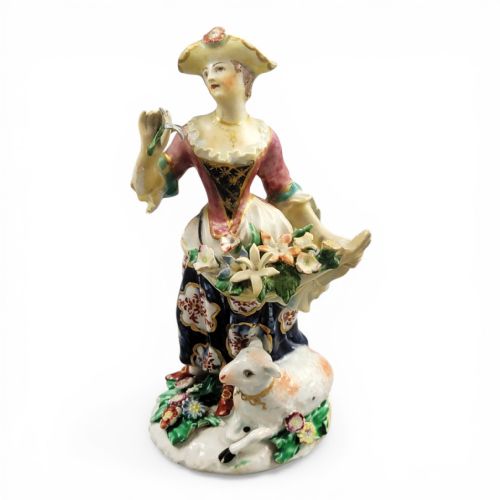


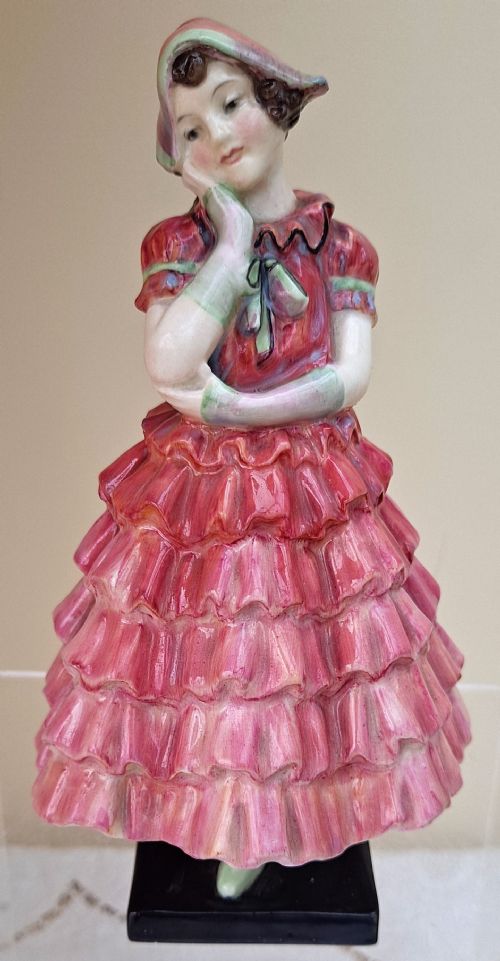


Porcelain Lady Statuette
A porcelain lady statuette brings delicate figurative charm to a mantelpiece, capturing centuries of ceramic artistry in miniature form.
Porcelain Lady Statuette
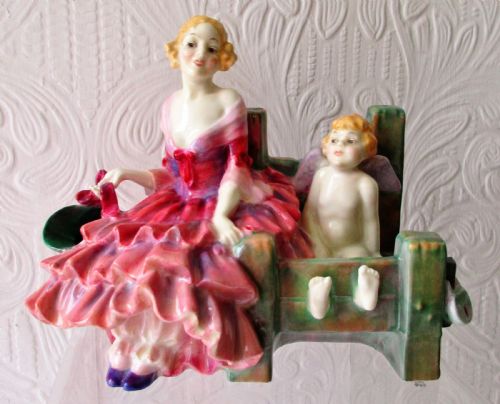
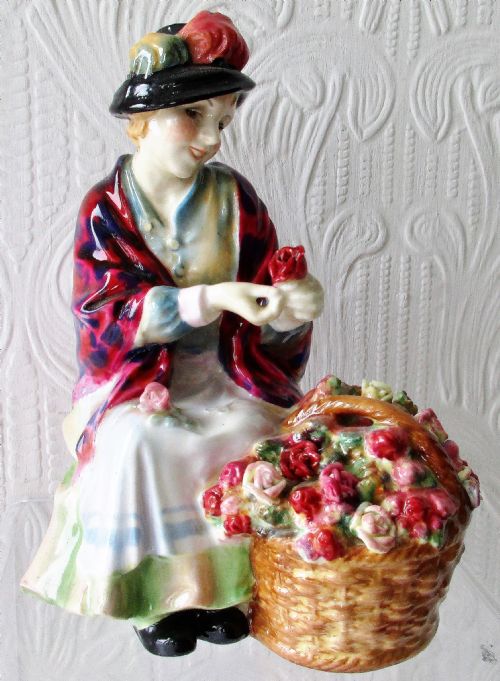
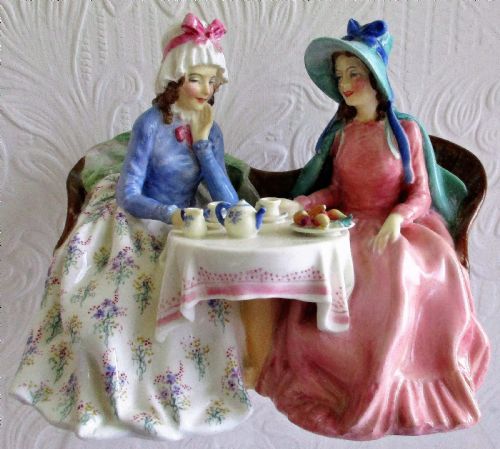
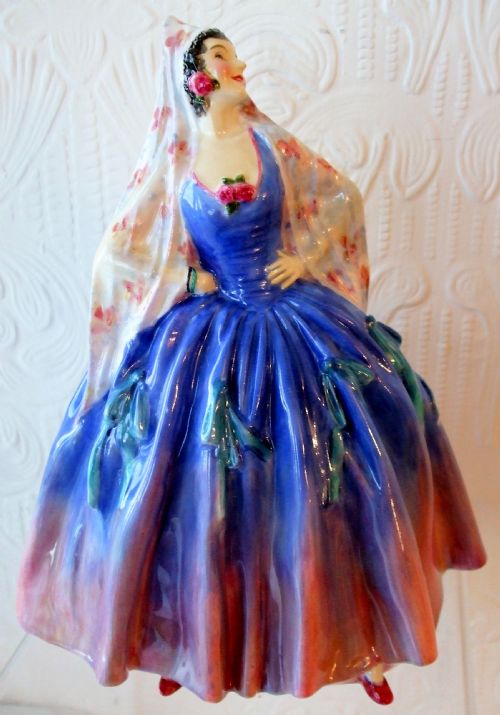
When you search for a porcelain lady statuette, you are looking at glazed and biscuit ceramic figures depicting women across various periods including the eighteenth century and the Art Deco era. The selection ranges from early European factory pieces to twentieth-century English examples.
You are most likely to meet vintage English porcelain figurines from the early twentieth century on this page, alongside earlier continental representations and Meiji period Japanese works. These objects take the form of decorative figurines and single figures of ladies engaged in everyday or pastoral scenes.
The variety spans eighteenth-century Rococo subjects to late nineteenth-century parian ware and Edwardian glazed models. Each piece reflects the aesthetic preferences of its decade of origin, from classical drapery to modern styling.
Materials and Techniques
Makers shaped these statuettes using soft-paste or standard porcelain, bone china, and biscuit porcelain which lacks surface glaze. Artisans applied ceramic glazes, enamel colours, and touches of gold leaf or gilt to highlight garments and facial details.
Techniques varied from early European soft-paste firing to later mass-production moulding in English potteries. Parian ware was also utilised during the nineteenth century to imitate white marble statuary.
Judging Quality
The reputation of the producing factory and the skill of the original modeller dictate the refinement of the piece. Earlier eighteenth-century figures show the intricacies of manual forming, while later works rely on the consistency of the mould and controlled kiln firing.
Royal Doulton·Royal Worcester·Meissen·Bow Porcelain·Ludwigsburg·Ernst Wahliss·Samson·Vion et Baury·Royal Dux
The Porcelain Lady Statuette Glossary
- Biscuit porcelain
- Unglazed ceramic ware fired once to a porous state, offering a matte finish that resembles marble. This finish was favoured for nineteenth-century figures and parian pieces.
- Soft-paste porcelain
- An early artificial ceramic composition fired at lower temperatures than hard paste, creating a warm body. It is typical of eighteenth-century factories.
- Enamel
- Vitreous coloured decoration applied over the glaze and fired again to fix the pigments. This technique allowed for vibrant hues on dresses and floral motifs.
- Parian ware
- A type of fine-grained white unglazed porcelain developed in the nineteenth century. It was specifically used for statuary and portrait busts.
- Glaze
- A glassy coating fused to the ceramic body during firing to seal the porous clay. It gives the surface its characteristic shine and protects the painted decoration.
Porcelain Lady Statuette: Frequently Asked Questions
Where were most of these figures made?
The pieces originate from prominent ceramic centres across Europe and Asia, spanning English potteries, German and French factories, and Japanese kilns. Each region brought distinct regional materials and stylistic traditions to the depiction of the human form.
European works often follow neoclassical or romantic art movements, whereas Japanese examples from the Meiji period employ traditional local glazing and detailing techniques.
How can I tell an older figure from a newer one?
Examine the base of the statuette for factory marks, handwritten numbers, or incised signatures that correspond to known operational dates. The type of ceramic body, such as soft-paste versus modern bone china, also points to the era of manufacture.
Stylistic cues like Art Nouveau curves or Rococo revival moulding align the piece with specific design periods. Handling multiple examples helps build familiarity with the weight and glaze characteristics of different decades.
What is a bijin in these statuettes?
A bijin is a traditional Japanese depiction of a beautiful woman, commonly found in Meiji period art and porcelain. These figures often hold items like musical instruments or fans, reflecting classical Japanese aesthetics.
They stand apart from European counterparts through their distinct costuming, posture, and facial styling. Such pieces offer a different cultural perspective on the portrayal of the female form in ceramics.