



Vintage Porcelain Lady Figure
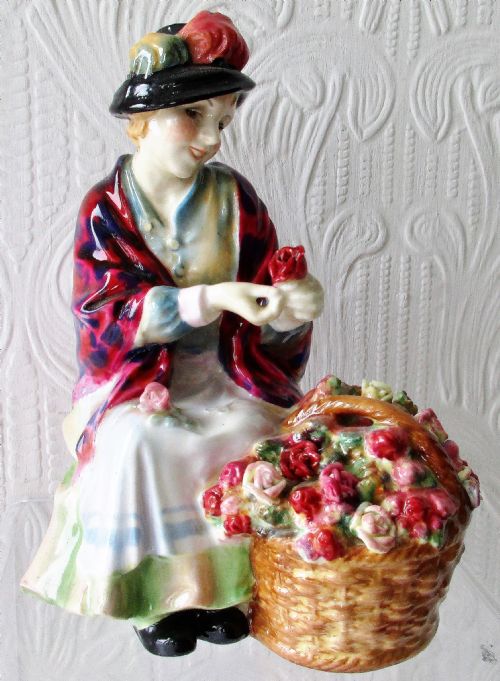
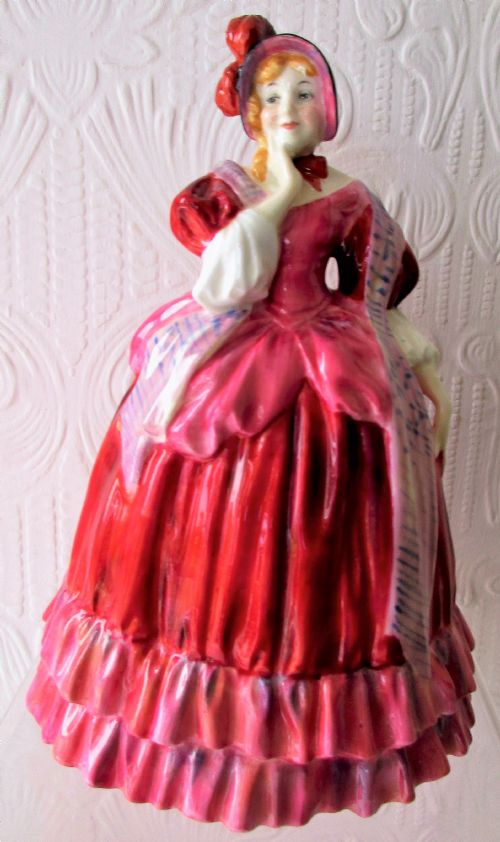
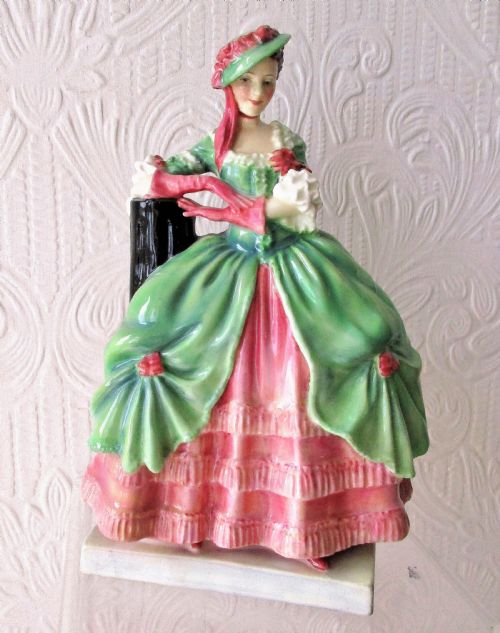
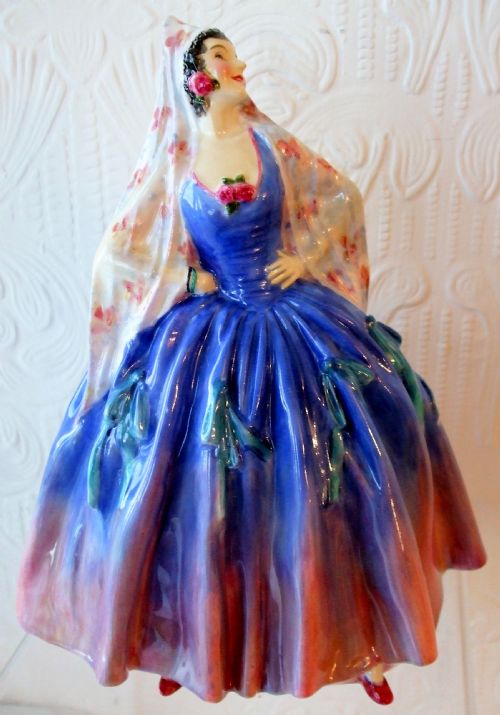
These porcelain lady figure examples span delicate eighteenth-century modeling to geometric nineteen-thirties flappers, offering grace for display and vanity use.
Vintage Porcelain Lady Figure
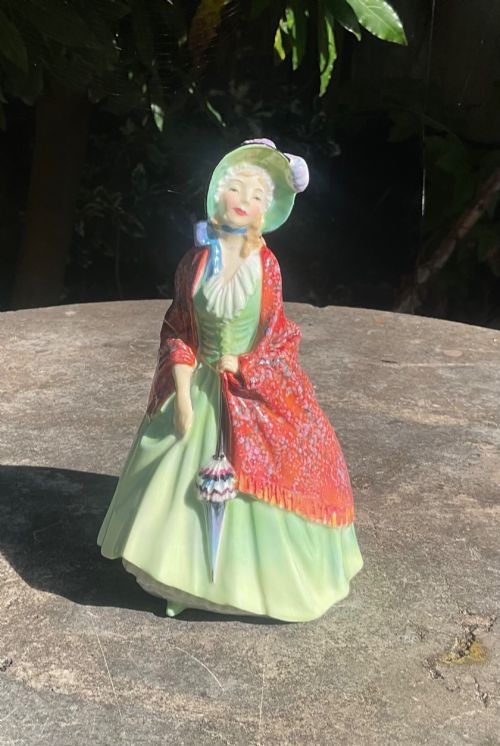
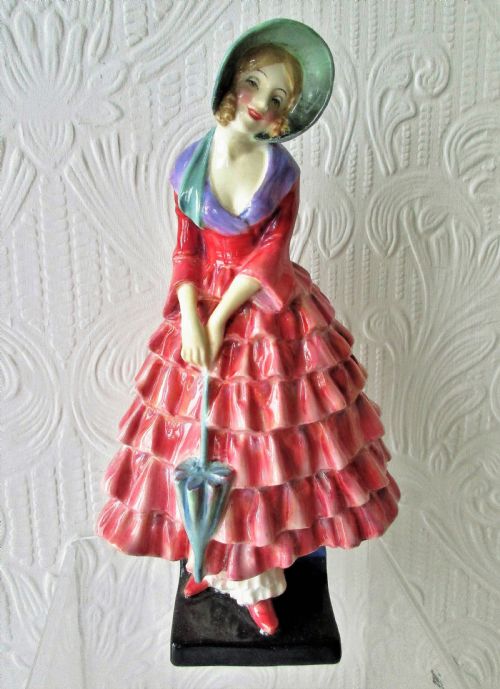
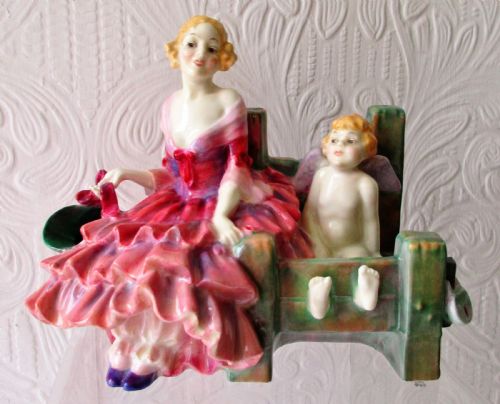
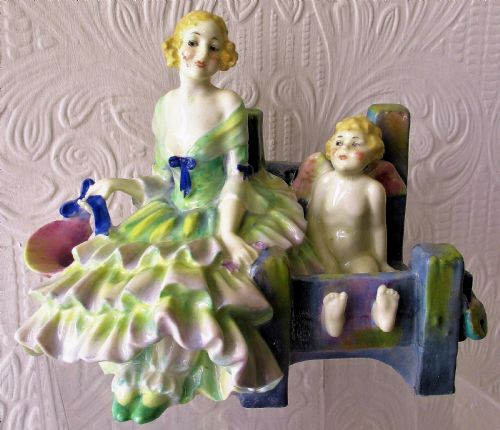
A vintage porcelain lady figure represents a ceramic sculptural form depicting female subjects across various historical eras and aesthetic movements. These pieces appear primarily as standalone figurines, decorative statues, and functional vanity accessories such as powder boxes and perfume stands.
The selection here encompasses figures originating from English potteries, continental European manufacturers, and Japanese workshops. Makers include major houses like Royal Doulton and Royal Dux, alongside eighteenth-century Meissen and Ludwigsburg works.
Most entries belong to the twentieth century, specifically drawing from nineteen-thirties Art Deco designs and Edwardian productions. Eighteenth and nineteenth-century examples also occur, providing Rococo and Neoclassical counterparts to the later ceramic works.
How They Were Made
Manufacturers utilised fine ceramic bodies including bone china, bisque, and standard porcelain to cast or mould these figures. Artisans then applied glazes, enamels, and occasional gold leaf or gilt details to surface areas before firing.
Materials present on this site include bone china, glazed porcelain, bisque, gilt, and enamel across various figurine and vanity formats.
What Varies in Quality
Complexity of form and the scale of the object also distinguish the range, moving from modest pin cushion dolls to monumental figures and multi-piece vanity sets. The prestige of the original pottery or studio influences the standing of individual pieces.
Royal Doulton·Royal Worcester·Royal Dux·Meissen·Ludwigsburg·Ernst Wahliss·Samson·Fasold and Stuach
The Vintage Porcelain Lady Figure Glossary
- Bisque
- Unglazed porcelain that has been fired once, leaving a matte, tactile surface resembling marble. This finish appears frequently on nineteenth-century portrait figures and classical statues.
- Bone china
- A type of soft-paste porcelain incorporating animal bone ash, yielding a durable and slightly translucent body. English potteries utilised this material extensively for twentieth-century figurines.
- Glaze
- A glassy coating fused to the ceramic body through firing to seal the porous clay and provide colour or shine. Enamel paints are often applied over or under this layer.
- Faience
- Tin-glazed earthenware produced widely in France and continental Europe. This technique creates an opaque white surface suitable for painted decoration on figurines and vessels.
- Pin cushion doll
- A small upper-torso ceramic figure designed to sit atop a sewing cushion. These items served both decorative and practical needlework functions during the early twentieth century.
Vintage Porcelain Lady Figure: Frequently Asked Questions
How do I date a porcelain figure?
Dating relies on identifying maker marks, potting styles, and registered design numbers stamped or painted on the base. Stylistic cues such as Art Deco geometric lines or Rococo curves also point to specific manufacturing decades.
Comparison with documented workshop timelines helps narrow the production window. Examination of the glaze and ceramic body texture provides further confirmation of age.
Were these figures meant for display?
Many served as mantel ornaments, cabinet pieces, or sculptural works intended purely for visual appreciation in domestic interiors. Larger examples functioned as standalone decorative focal points.
Other items combined display with utility, functioning as powder boxes, perfume containers, or pin cushion dolls on dressing tables. Their dual purpose bridged ornamental art and daily vanity use.
What is the difference between porcelain and bisque?
Porcelain receives a glassy glaze coating that produces a smooth, reflective surface during the final kiln firing. This glossy finish protects the underlying ceramic body and enhances painted details.
Bisque remains unglazed after firing, presenting a porous texture with a matte appearance. Sculptors favoured this finish for its resemblance to carved marble and stone.
How should I clean my figurine?
Dusting with a soft, dry brush removes surface particles without risking abrasion to delicate glazed or enamelled areas. Avoid harsh chemical cleaners that can degrade painted details over time.
Water immersion should be avoided if the piece has exposed bisque or older repairs. Gentle spot cleaning with a slightly damp cloth suits glazed surfaces best.
Where were these pieces manufactured?
Production centres spanned England, Germany, France, and Japan, with each region developing distinct regional styles and ceramic compositions. English potteries specialised in bone china figurines, while continental European factories produced glazed porcelain and faience.
Japanese workshops contributed distinct sculptural interpretations during the late nineteenth and early twentieth centuries. Trade networks distributed these diverse works across international markets.