


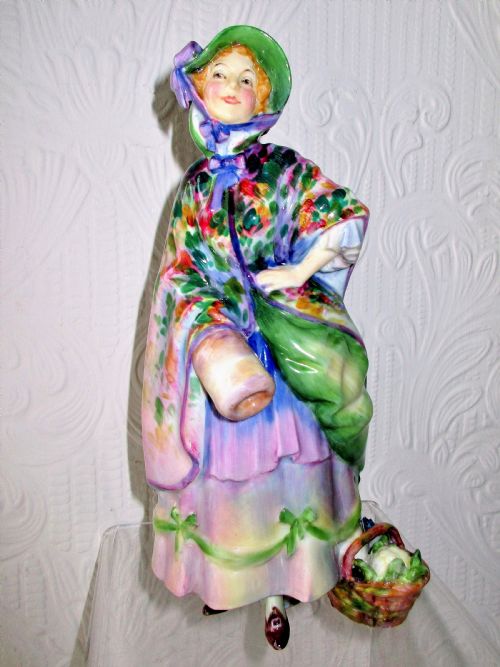
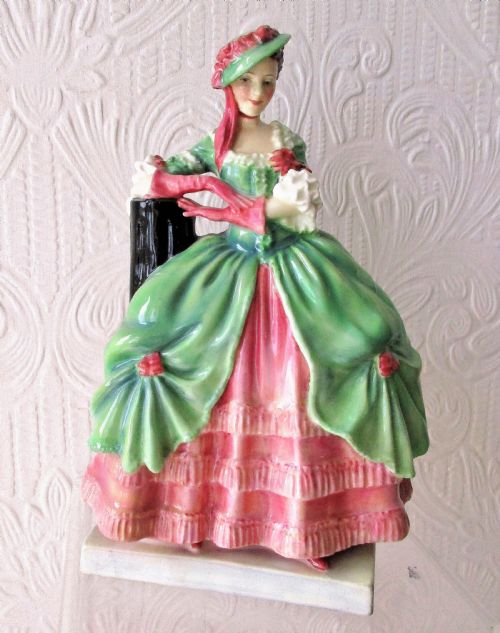
Collectible Ceramic Figure
When you handle a collectible ceramic figure, you touch centuries of kiln craft and character study preserved in porcelain, earthenware, and bone china.
Collectible Ceramic Figure
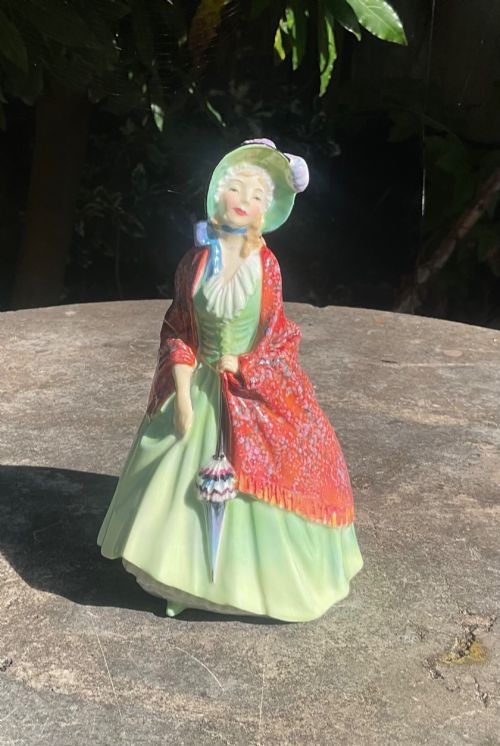
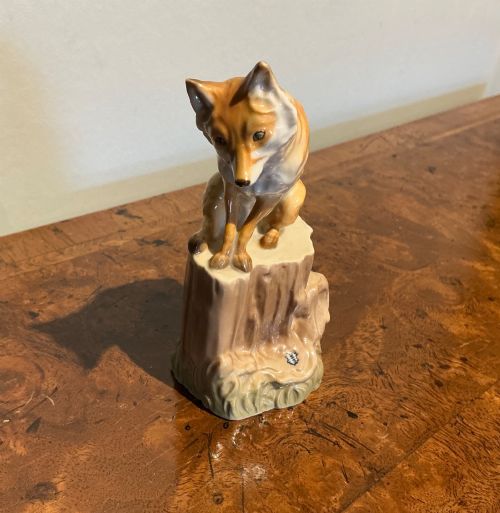
A collectible ceramic figure encompasses sculptural depictions of humans, animals, and theatrical subjects shaped across the eighteenth, nineteenth, and twentieth centuries. The selection ranges from eighteenth-century Derby and Longton Hall models to large groups of twentieth-century porcelain figurines by factories such as Royal Doulton and Royal Copenhagen.
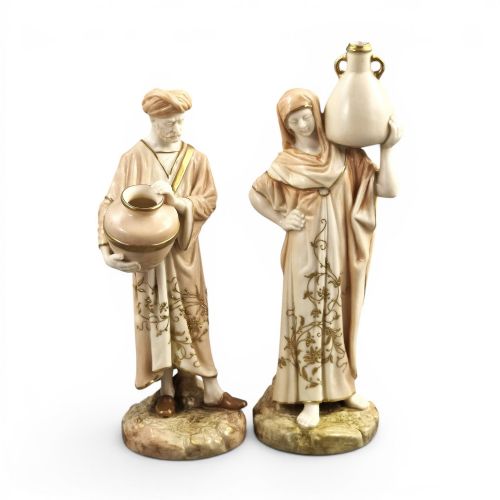
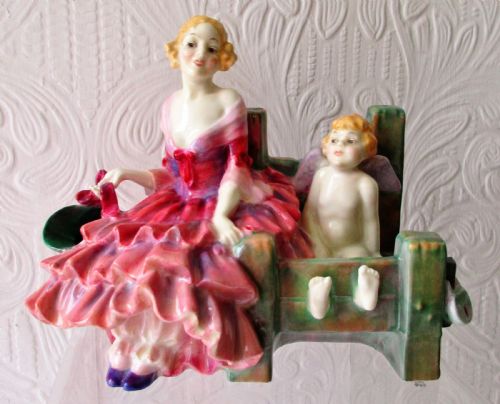
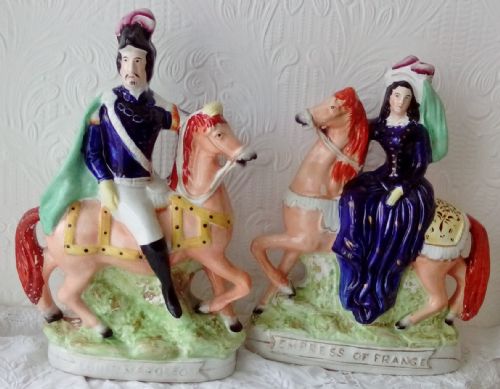
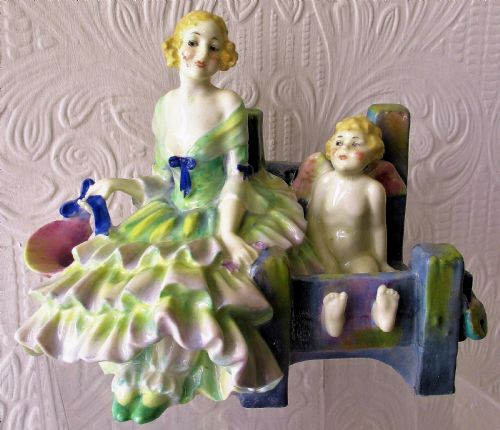
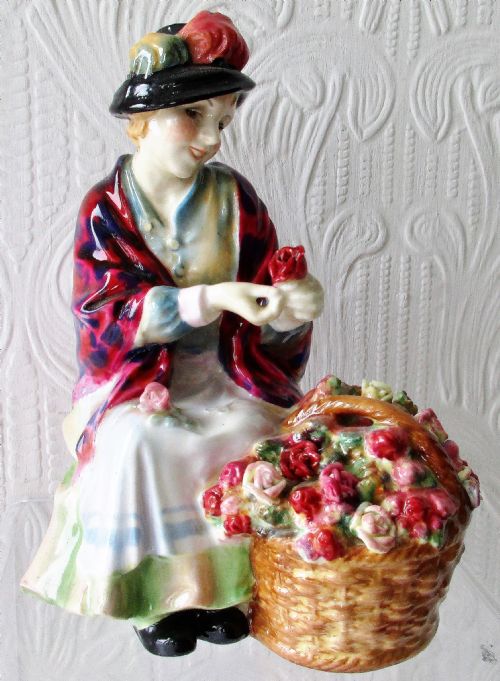
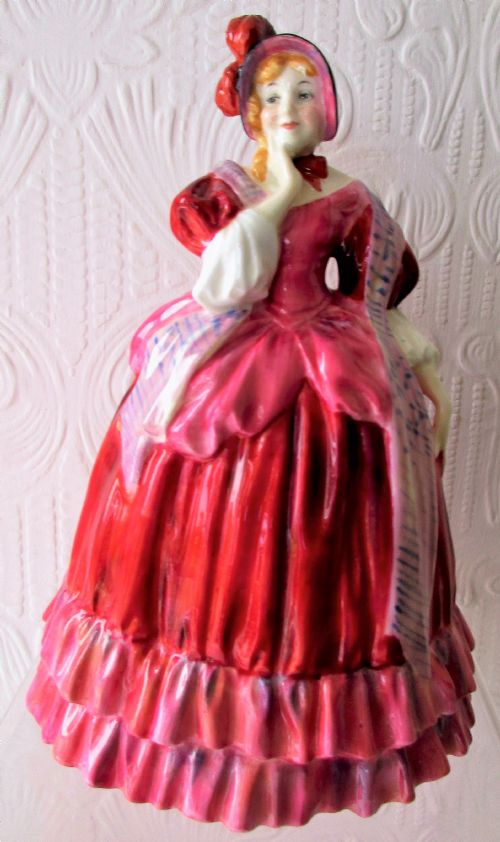
Makers recorded in the evidence span English, German, and Danish studios, covering figures, candle snuffers, and decorative pairs. You encounter Staffordshire pearlware animals, Art Deco dancers, and Edwardian bone china characters reflecting distinct periods from Georgian elegance to the 1930s.
How they were made
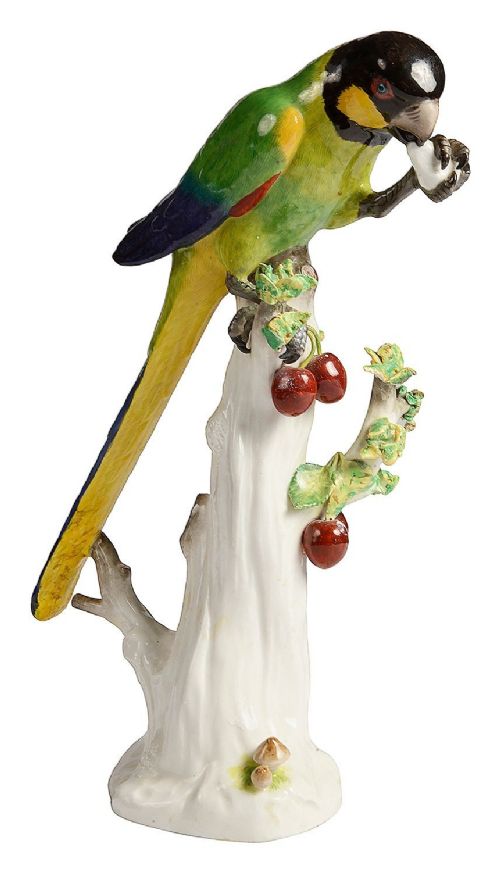
The pieces utilise materials including porcelain, bone china, and earthenware, shaped into figurative forms and enriched with ceramic glaze, enamel, and gold leaf. Studios such as Meissen and Royal Worcester employed meticulous hand-modelling and painting techniques, fixing pigments through high-temperature kiln firings.
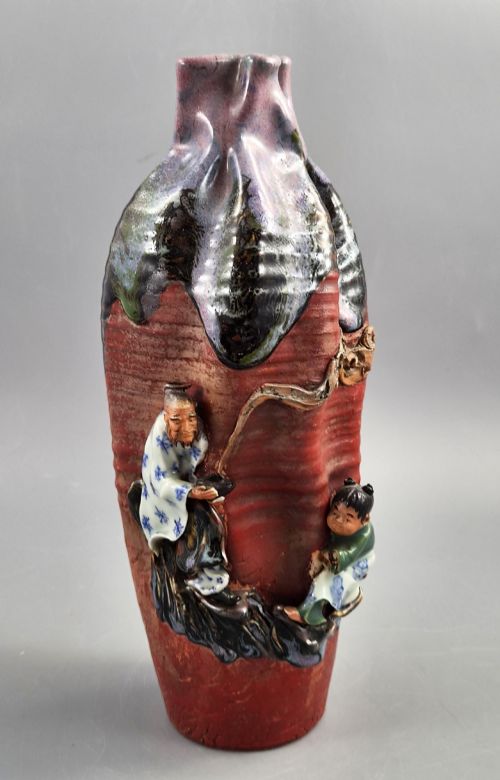
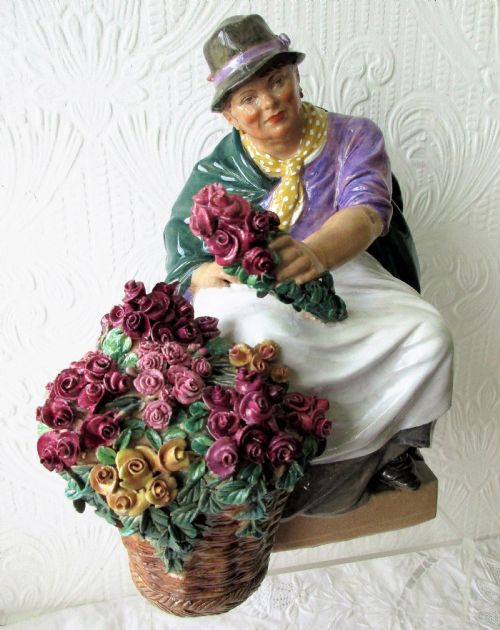
Pearlware and studio pottery bodies required specific glazing methods, such as lavender flambé or blush ivory finishes, to achieve distinctive surface textures. Details like facial expressions and costume patterns rely on precise brushwork over fired enamel grounds.
Listings feature works from the eighteenth century through the Art Deco period, utilising porcelain, earthenware, and bone china.
What varies in quality
The integration of decorative elements such as tree trunks, bases, and gold leaf accents reveals the hand of the modeller. Fine early versions maintain sharp relief where later recast or secondary workshop pieces lose definition in the clay.
Royal Doulton·Nymphenburg·Meissen·Royal Worcester·James Hadley·Charles Vyse·Longton Hall·Samson of Paris·Derby·Royal Copenhagen·Theo Voss·Freda Doughy·Wedgwood and Co·Royal Dux·Ernst Bohne and Sohne
The Collectible Ceramic Figure Glossary
- Bone china
- A type of porcelain containing bone ash that produces a strong, milky-white body suitable for delicate figurine limbs.
- Pearlware
- An earthenware developed in the eighteenth century featuring a faint bluish glaze that pooled pleasingly in recesses.
- Flambé glaze
- A complex fired glaze containing metallic oxides that creates streaked, mottled colour variations across the ceramic body.
- Bisque
- Unglazed porcelain fired once to leave a matte, tactile surface resembling carved marble.
Collectible Ceramic Figure: Frequently Asked Questions
What is a ceramic figurine?
A ceramic figurine is a small three-dimensional sculpture shaped from clay, porcelain, or bone china and fired in a kiln. These objects represent human characters, animals, and historical subjects.
They serve primarily as decorative mantel or cabinet pieces rather than functional wares. Many record contemporary dress, theatrical roles, and rural trades of their respective eras.
How do I date a porcelain figure?
Dating relies on factory bottom marks, registration numbers, painted styles, and the specific composition of the ceramic body. Eighteenth-century pieces differ substantially in paste and glaze from Edwardian or 1930s productions.
Comparing modeled details against known factory output helps narrow the period of creation. Costume styles also provide reliable clues to the era the sculptor sought to capture.
How were old figures decorated?
Makers applied coloured enamels and metallic oxides by hand over a white glazed surface before subjecting the piece to a final kiln firing. Gold leaf was frequently added to highlight garments and bases.
Studio artists used fine brushes to paint facial expressions, hair, and intricate patterns on clothing. This multi-stage process ensured permanent adherence of the pigments.
Where were these figures displayed?
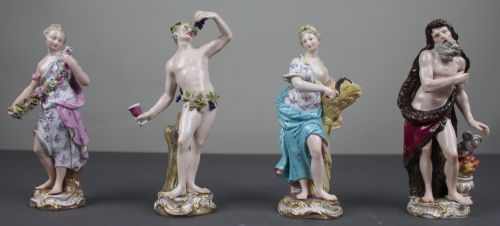
Historical interiors featured these figures on mantelpieces, bracket shelves, and within glass-fronted display cabinets designed to protect fragile porcelain. Wealthy households arranged sets, such as the Four Seasons or seasonal laborers, across dining tables and sideboards.
Smaller pieces added colour to private drawing rooms and boudoirs. Collectors continue to house them in dedicated display cabinets to showcase their modeling.