



Red Glaze Ceramic Statue
These red glaze ceramic statue pieces bring bold colour and character to a room, ranging from Edwardian figures to Art Deco animals.
Red Glaze Ceramic Statue
A red glaze ceramic statue encompasses decorative figures, pottery groups and porcelain figurines produced across the nineteenth and twentieth centuries. When searching for a red glaze ceramic statue, collectors encounter Victorian Staffordshire earthenware animals, Edwardian Japanese okimono, and colourful Art Deco pieces.
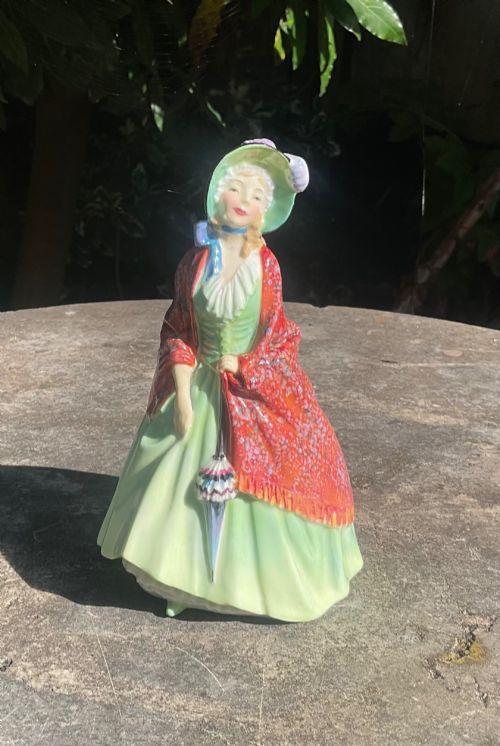
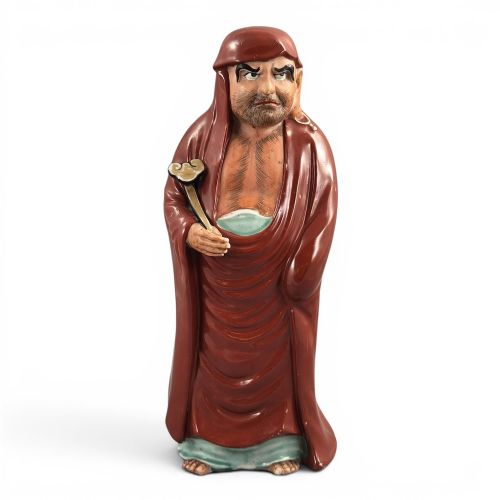
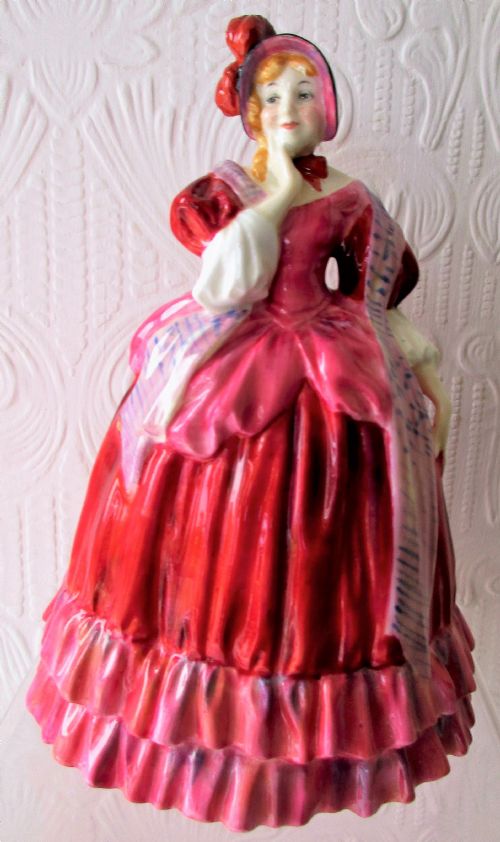
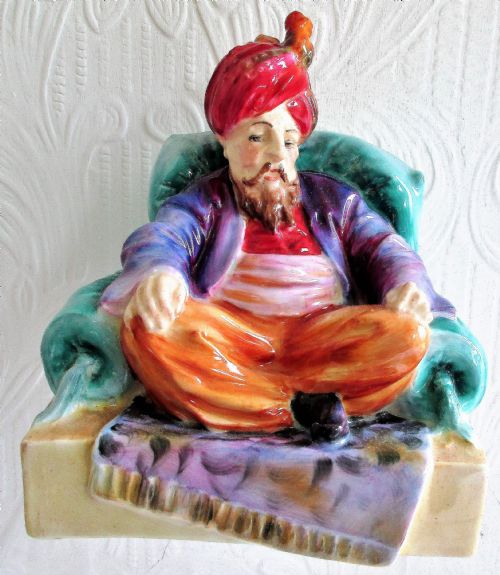
The selection includes Staffordshire spaniels and cows, Japanese porcelain Daruma figures, and bone china character figurines from makers like Royal Doulton. These items served as mantelpiece ornaments and cabinet displays in period homes, showcasing distinct sculptural forms and rich glazes.
How they were made
Potters shaped these figures using earthenware, bone china, and glazed porcelain, applying lead glazes and enamel colours to achieve deep red tones. Many pieces combine a lustrous glaze with hand-painted details or gilded highlights, typical of nineteenth-century Staffordshire potteries and twentieth-century porcelain factories.
The manufacturing process involved moulding clay or casting slip, followed by high-temperature kiln firing and careful glazing. Artisans then added surface decoration, such as maroon-red finishes and metallic accents, before a final fixation fire.
Red Glaze Ceramic Statue Retail Price Guide 2026
Typical asking prices for red glaze ceramic statue among the pieces listed under this phrase on Sellingantiques today, from the lower quarter to the upper quarter. They describe what is for sale here now, not the wider market.
Listings feature earthenware, bone china, and glazed porcelain across Victorian, Edwardian, and Art Deco styles.
What varies in quality
The depth and uniformity of the red glaze set finer examples apart from simpler commercial wares. Age-related crazing is common in earthenware bodies, but the clarity of the sculptural detail remains the primary measure of craftsmanship.
Royal Doulton
The Red Glaze Ceramic Statue Glossary
- Earthenware
- A porous ceramic body fired at lower temperatures, commonly used for Victorian Staffordshire pottery figures. It requires a glaze to become waterproof.
- Okimono
- A Japanese decorative figurine designed for display in a household alcove or on a shelf. These pieces often depict traditional figures and are carved or moulded in porcelain.
- Staffordshire pottery
- Earthenware pottery produced in the English county of Staffordshire, famous for spill vases, figures, and animal pairs made throughout the nineteenth century.
- Bone china
- A type of porcelain composed of bone ash, feldspar and kaolin, known for its high strength, translucent body and smooth white finish. It forms the basis for many twentieth-century character figurines.
Red Glaze Ceramic Statue: Frequently Asked Questions
What periods do these figures come from?
The available pieces span the nineteenth and twentieth centuries, including Victorian Staffordshire pottery, Edwardian Japanese works, and Art Deco ceramics from the 1930s.
Each era employed distinct materials and glazing techniques, helping collectors date individual figurines based on their styling and construction.
How were Staffordshire figures displayed?
Staffordshire pottery animals and figures were traditionally arranged on cottage mantelpieces, often in symmetrical pairs facing one another.
They added bright colour and domestic charm to nineteenth-century living spaces as affordable decorative ornaments.
What is a Daruma figure?
A Daruma figure is a traditional Japanese ocarina or okimono depicting Bodhidharma, the founder of Zen Buddhism. These ceramic and porcelain pieces are modelled in a seated posture with a distinctive rounded form.
They often feature bold red glazes and serve as symbols of perseverance and good fortune.
How do I care for glazed ceramics?
Keep these pieces out of direct sunlight to prevent enamel fading and dust them gently with a soft, dry brush. Avoid using water or chemical cleaners on antique earthenware, as moisture can penetrate old glaze crazing.
Display them on stable surfaces away from high-traffic areas to protect delicate extremities and gilded highlights.