




Bone China Lady Figure
A bone china lady figure captures a snapshot of elegance, offering collectors a delicate study in period costume and glaze work.
Bone China Lady Figure
A bone china lady figure represents a distinct genre of ceramic sculpture focusing on female subjects dressed in historical or period attire. These pieces primarily date from the Edwardian era through the 1930s and 1940s, capturing the aesthetic tastes of those decades.
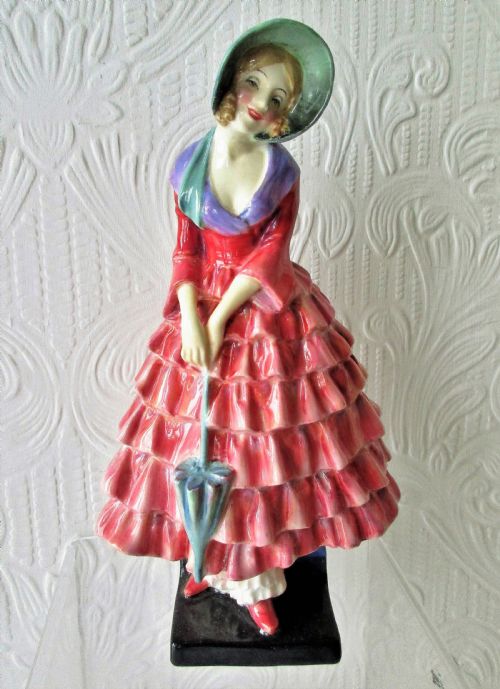
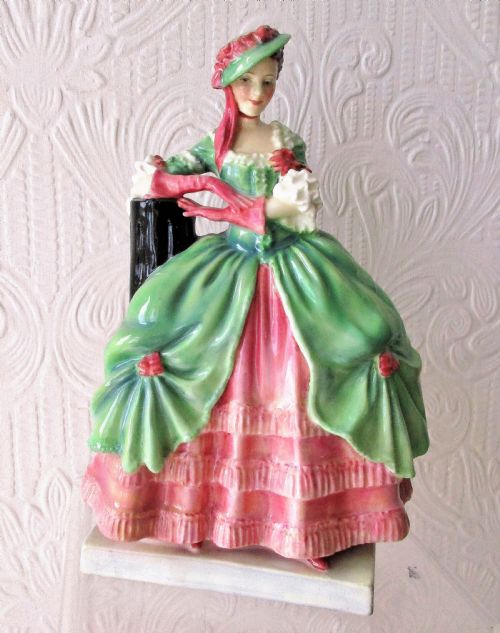
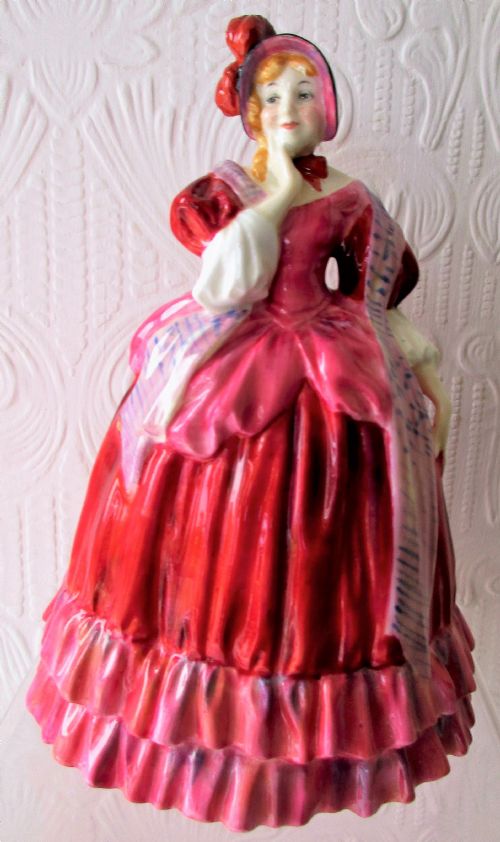
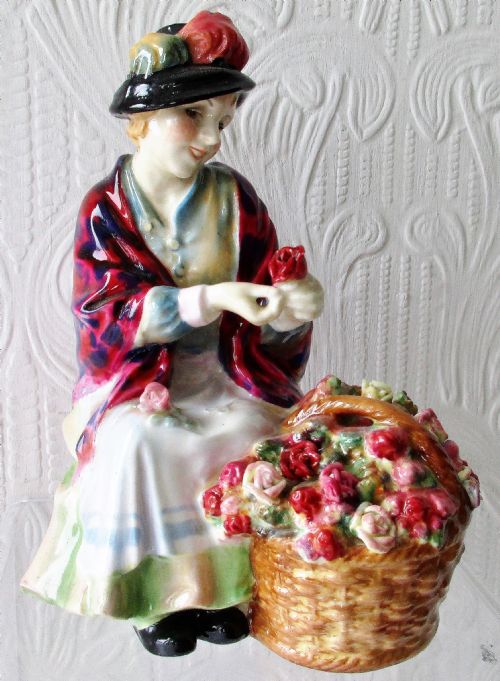
The selections on this page heavily feature English porcelain and bone china figurines produced by major makers such as Royal Doulton and Royal Worcester. Common forms include named characters and romanticised historical figures like those from Quality Street or literary adaptations.
Buyers will encounter stylistic influences ranging from Art Deco crispness to Regency Revival curves. These variations define the posture, dress and overall theatricality of each lady figure.
Materials and manufacture
The manufacturing process relies primarily on bone china and glazed porcelain bodies moulded into complex shapes. Ceramic glaze provides the smooth, reflective surface that seals the clay body and protects the underlying ceramic.
Detailing is achieved through hand-applied enamel colours and touches of gilt for highlights on garments and accessories. Firing fixes both the glaze and the enamel palette to create a durable, glossy finish.
Bone China Lady Figure Retail Price Guide 2026
Typical asking prices for bone china lady figure among the pieces listed under this phrase on Sellingantiques today, from the lower quarter to the upper quarter. They describe what is for sale here now, not the wider market.
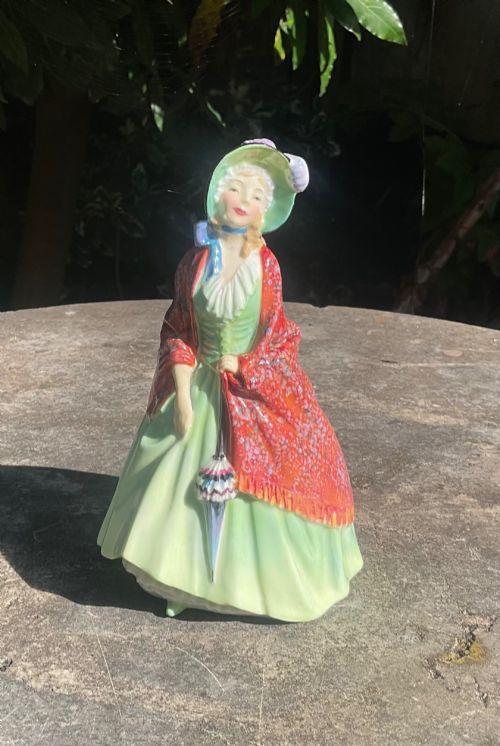
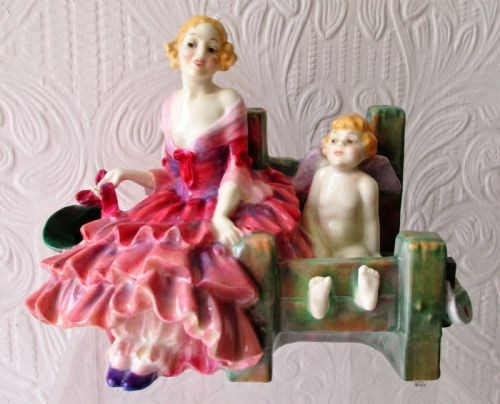
Several ladies spend eternity caught in the stocks or wrapped tightly in paisley shawls.
Distinctions in quality
The application of glaze and gilt contributes to the visual depth of a piece. Even coating without pooling or thinning preserves the sculptural contours intended by the modeller.
Royal Doulton·Royal Worcester
The Bone China Lady Figure Glossary
- Bone china
- A type of porcelain incorporating bone ash, known for its high strength, chip resistance and warm white body. It allows for thinner walls and finer detail in figurine modelling.
- Glaze
- A glassy coating fused to the ceramic body through firing. This waterproof layer gives the figure its shine and seals the porous clay beneath.
- Enamel
- Opaque glass used as a coloured paint on ceramics. It is fired at a lower temperature after the initial glaze firing to fix the hues.
- Gilt
- A thin layer of gold applied to ceramic surfaces for decoration. It highlights borders, patterns and clothing details.
- Figurine
- A small statuette representing a human or animal form. In ceramics, these are typically cast from moulds and hand-finished.
Bone China Lady Figure: Frequently Asked Questions
What periods do these figures come from?
The listings span from the Edwardian period through the 1930s and 1940s. This era covers significant shifts in ceramic decoration and dress styles.
Design influences during these decades moved from Edwardian formality towards Art Deco abstraction and Regency Revival charm.
How should I display a bone china lady figure?
These delicate pieces suit enclosed display cabinets where they remain safe from accidental knocks and dust accumulation. Adequate lighting helps highlight the subtle enamel colours and gilt details.
Keep them away from direct sunlight to prevent any long-term fading of the hand-painted enamel surfaces.
Are these figures marked by the maker?
Most pieces carry factory stamps, backstamps or painted pattern numbers on the base. These marks identify the manufacturer and often help narrow down the production period.
Specific numbers can also indicate particular named models or colour variants within a maker's output.
How do Art Deco and Regency Revival styles differ?
Art Deco influences bring stylised lines and geometric simplicity to the rendering of form and dress. Regency Revival pieces lean towards flowing gowns, bonnets and historical costume detail.
Both styles utilise bone china and glazed porcelain but express character through distinct posture and clothing.