



Art Deco Porcelain Statue
An art deco porcelain statue captures the bold geometry and stylised elegance of the interwar years in permanent ceramic form.
Art Deco Porcelain Statue
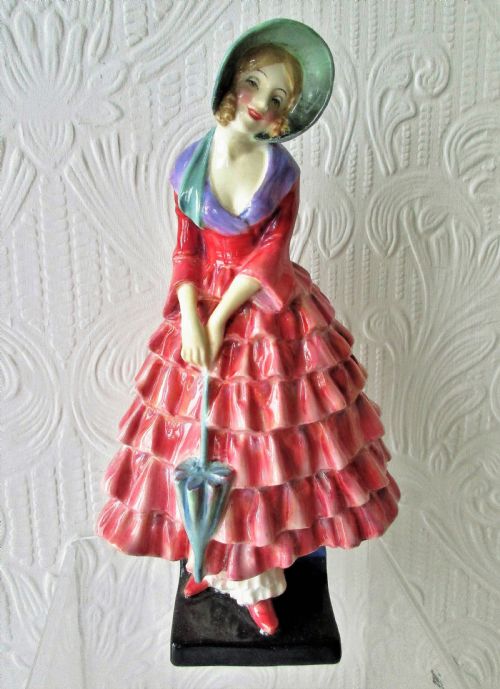
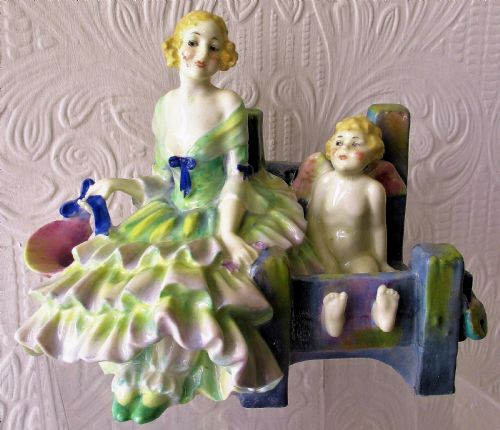
When you search for an art deco porcelain statue, you are looking at figurative works spanning the Edwardian era through to the 1940s, though the 1930s forms dominate the selection here. These pieces encompass dancers, ladies in green dresses, flapper girls, animal figures such as greyhounds and pheasants, and practical table lamps or hatpin holders. The physical forms reflect distinct modernist lines, geometric posture, and characteristic dress of the period.
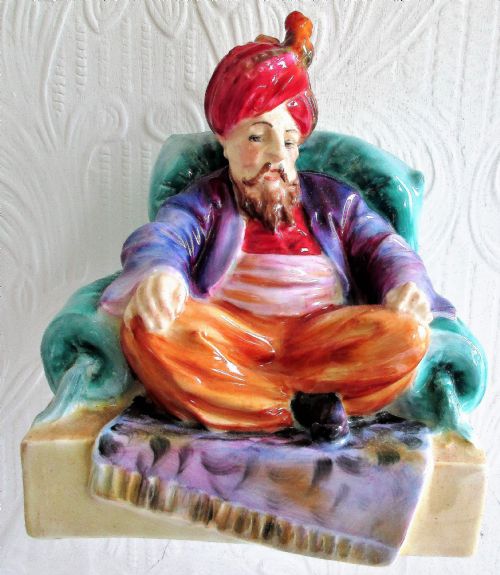
The objects appear under various classifications including figurines, sculptures, busts, and decorative items. English porcelain from factories like Royal Doulton sits alongside continental European pieces from German workshops and makers such as Royal Dux and Meissen. Most examples date from the 1920s and 1930s, capturing human and animal subjects with a stylised rigidity typical of the aesthetic.
Materials and manufacture
The primary bodies utilise porcelain, bone china, ceramic, earthenware, and bisque, which provide the smooth white canvas essential for the distinctive surface finishes. Glazing and gilding add colour and reflective highlights, transforming plain clay into vibrant depictions of dancers, animals, and fashion figures. Some pieces employ bold blue and white colourways or rich green dresses to accentuate the stylised contours.
Moulding and casting techniques allow for the sharp angles and smooth curves demanded by the style. Hand-painting and applied signatures complete the creation of individual sculptures and table lamps, showing the technical skill of both large potteries and independent modellers.
Listings feature porcelain, ceramic, bone china, earthenware, and bisque materials across periods spanning the Edwardian era through the 1940s.
Judging quality in these sculptures
Attribution to named modellers or established factories elevates a piece above anonymous works. The weight of the ceramic body and the stability of the stance also indicate the care taken during production in the kiln.
Royal Doulton·Meissen·Paul Scheurich·Rosenthal·Theo Voss·Le Manceau·Royal Dux·B Rezl
The Art Deco Porcelain Statue Glossary
- Bisque
- Unglazed ceramic fired once to create a matte, porous finish. This surface absorbs light differently than glazed porcelain, highlighting subtle modelling.
- Bone china
- A type of porcelain incorporating bone ash. It produces a strong, slightly translucent body often utilised in English figurative pieces.
- Glaze
- A glassy coating fused to the ceramic body by heat. It waterproofs the piece and provides either a high gloss or smooth sheen.
- Gilding
- The application of gold leaf or gold paint to ceramic surfaces. It accents borders, garments, and decorative details.
- Hatpin holder
- A small ceramic vessel designed to store long hatpins on a dressing table. They frequently take the form of miniature busts or flapper figures.
Art Deco Porcelain Statue: Frequently Asked Questions
How do I date an art deco porcelain statue?
Dating relies primarily on factory marks, impressed numbers, and stylistic cues such as costume and hair design. Pieces from the 1920s and 1930s often carry specific model numbers or registry marks.
Comparison with documented works by known modellers from the same period helps narrow the window of production.
Are these figures glazed or unglazed?
The selection includes both glossy glazed ceramics and unglazed bisque porcelain. Glazing provides a reflective, colourful finish whilst bisque offers a matte surface.
Choice of finish depends on the specific factory and the aesthetic intent of the modeller.
What subjects are most common?
Human figures dominate, particularly female dancers, flapper girls, and ladies in period dress. Animal subjects such as greyhounds and pheasants also appear regularly.
Functional items like table lamps and hatpin holders utilise the same figurative sculpture.
Where were these pieces manufactured?
Origin locations span England and continental Europe, with notable contributions from German potteries and studios. Each region imparts distinct technical and stylistic traits.
English works often feature named female characters while continental pieces lean towards bold animalier and modernist dancer forms.
How should I clean my porcelain figure?
Dust gently with a soft, dry brush to remove particulate matter without disturbing the surface. Avoid harsh chemical cleaners or abrasive cloths that might damage glazes or gilding.
For glazed pieces, a damp cloth with mild soap can be used sparingly if thoroughly dried afterward.