





Edwardian Style Figurine
Edwardian style figurine pieces combine period charm with diverse materials, offering a distinctive display object for your collection.
Edwardian Style Figurine
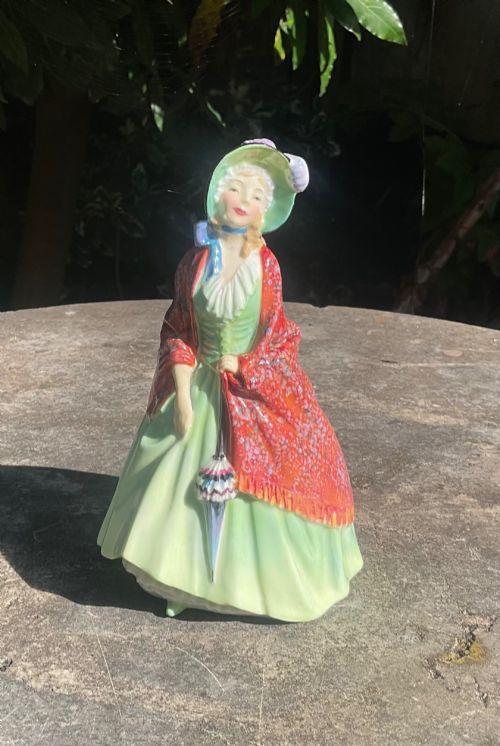
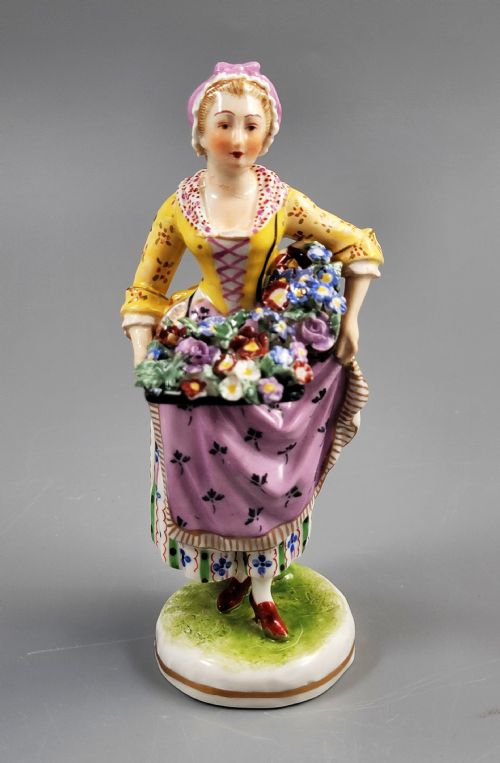
When you search for edwardian style figurine, you encounter a varied assortment of decorative sculptures, statues, and figures spanning several decades from the late nineteenth century into the twentieth. The examples on this page encompass porcelain, bronze, spelter, and leather creations reflecting broader periods such as Victorian, Arts and Crafts, and Art Deco.
The selection ranges from Royal Doulton porcelain pieces and cold-painted bronze figures to leather animal models and gilt spelter harvesters. These objects demonstrate the diverse manufacturing approaches and stylistic influences typical of turn of the century decorative arts.
Materials and construction methods
Ceramic works involved detailed moulding and firing processes, followed by hand-painting or glazing, as seen in porcelain flower sellers and hunting fox figures. Leather models demonstrated alternative sculptural techniques through stitched and moulded animal forms.
Edwardian Style Figurine Retail Price Guide 2026
Typical asking prices for edwardian style figurine among the pieces listed under this phrase on Sellingantiques today, from the lower quarter to the upper quarter. They describe what is for sale here now, not the wider market.
Listings feature items spanning the Victorian, Edwardian, Arts and Crafts, and Art Deco periods.
Assessing quality and craftsmanship
Superior examples distinguish themselves through the precision of their modelling, the crispness of surface detail, and the preservation of original finishes like cold-paint or glaze. Finer bronzes and porcelains exhibit meticulous attention to anatomical accuracy and facial expression, whereas lesser pieces display softer contours and simpler surface treatments.
The integrity of the material further defines the standard of the piece, whether it is the stability of a spelter casting or the fine translucency of bone china. Age-related wear on applied finishes remains a natural consideration, but the strength of the initial design ultimately determines the piece's standing.
Royal Doulton·Fabergé·Dressel, Kister And Cie·Royal Bayreuth
The Edwardian Style Figurine Glossary
- Spelter
- A zinc alloy commonly utilised as a less expensive alternative to bronze for nineteenth and twentieth-century figures. It often received a bronze or gilt coating to mimic more costly metals.
- Cold-painted
- A technique where metal sculptures are painted with oil or enamel colours without being fired in a kiln. This finish is prone to flaking if handled excessively over the decades.
- Bone china
- A type of porcelain incorporating animal bone ash, resulting in a strong, milky-white ceramic body suitable for delicate figurine production.
- Arts and Crafts
- A design movement valuing traditional craftsmanship, simple forms, and natural materials over mass-produced factory goods. Leather animal models often reflect this aesthetic.
Edwardian Style Figurine: Frequently Asked Questions
What materials are these figurines made from?
These decorative objects appear in porcelain, bone china, bronze, spelter, zinc alloy, and leather. Many feature applied surface treatments like glazes or cold-paint.
Makers selected these mediums depending on the production period and the intended function of the sculpture.
How do I care for cold-painted metal figures?
Cold-painted bronzes and spelter require dry dusting with a soft brush and protection from direct sunlight and moisture. The unkilned paint is delicate and easily damaged by liquid cleaners.
Keeping them in a stable indoor environment preserves the remaining colour.
Are these pieces strictly from the Edwardian era?
The items span a broader timeframe, including Victorian, Arts and Crafts, and Art Deco periods, alongside turn of the century examples. Style designations often encompass related pieces from adjacent decades.
Examining the materials and marks helps place each sculpture in its proper manufacturing window.
How were leather animal models constructed?
Leather animal sculptures utilised stitched and moulded leather stretched over a rigid internal armature. This technique created sturdy decorative models of creatures such as elephants and horses.
Craftsmen shaped the hide to capture realistic textures and postures.